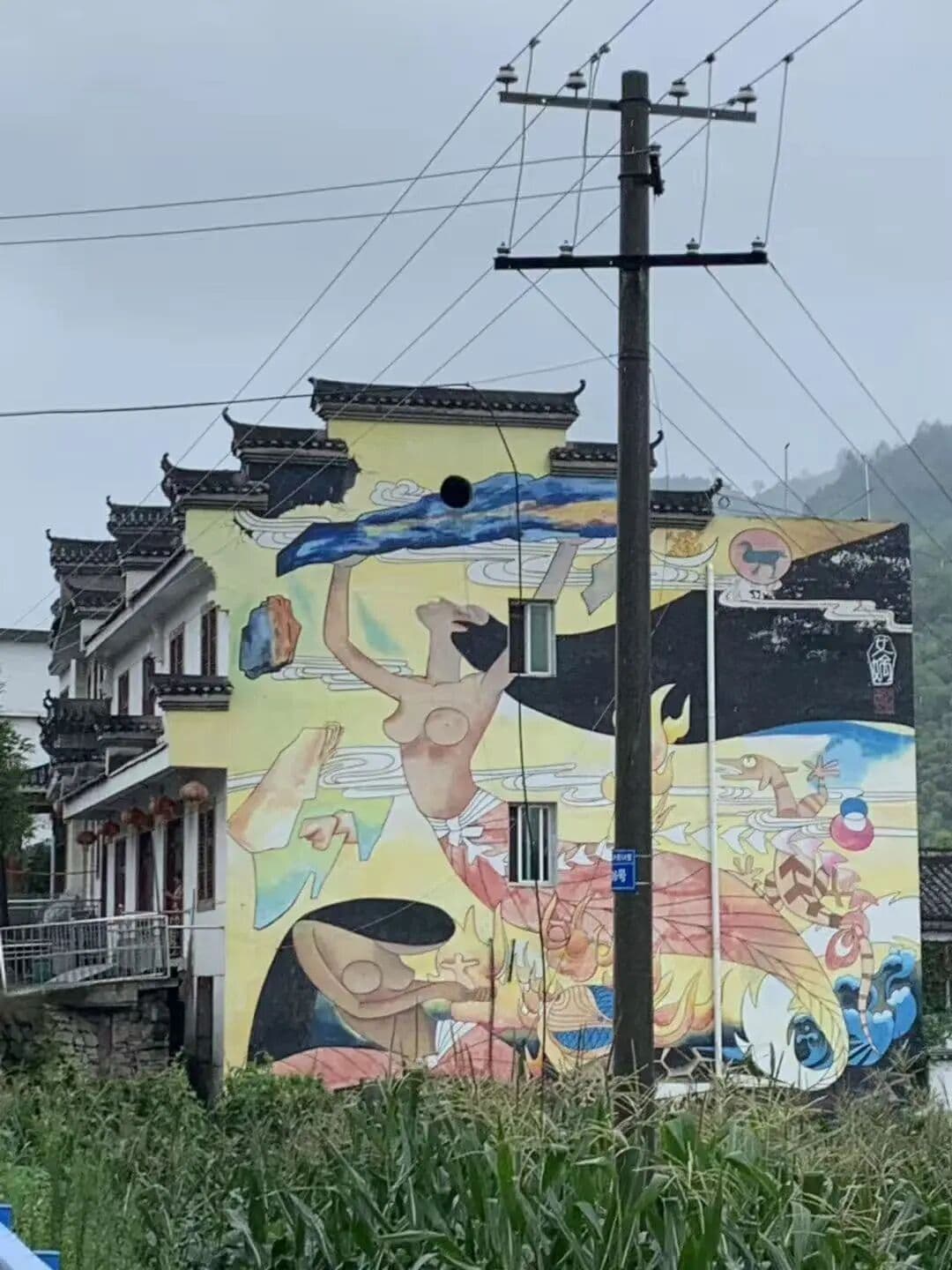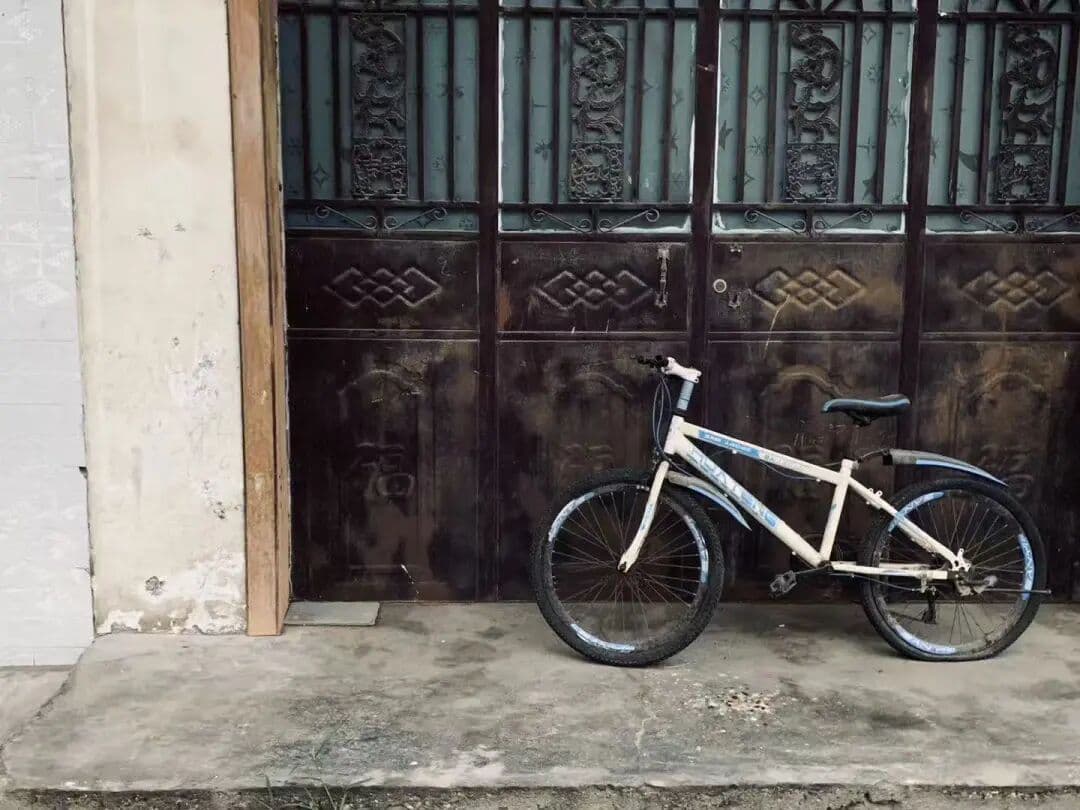
Arriving on the Other Side of the World — An Unscripted Academic Beginning
Xiao Yang, from Shenzhen, attended the 2020 summer camp as a high school student at Shenzhen International Exchange College. He earned his undergraduate degree at University College London and is currently pursuing Applied Linguistics in Germany. His research focuses on semantics and ChatGPT.
At heart, he’s always been a little anthropologist wandering through fields, dreaming of building corpora for endangered languages.
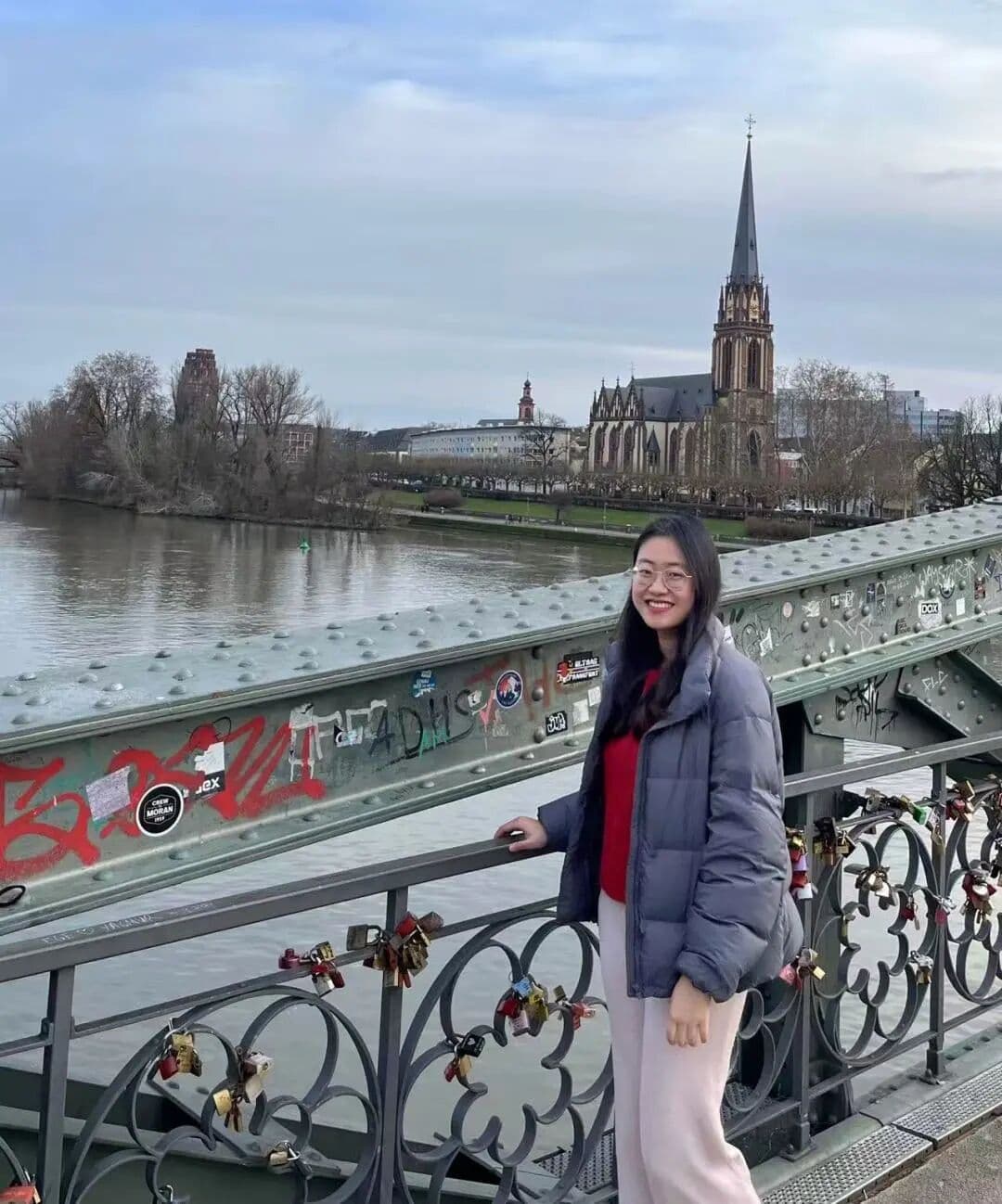
Written in the echoes of the Ankang Summer Camp. Four years have passed in the blink of an eye, yet it remains one of my most precious and vivid memories, one that continues—often subtly—to shape my academic path. It was more than an irreplaceable life experience; it deeply influenced the way I came to understand the world.
That summer of 2020, I had occasionally heard friends mention the “Future Anthropologists’ Field Camp.” Back then, I knew very little about anthropology. The idea of going into the field to observe and record human behavior simply struck me as fresh and fascinating. A friend asked me, “Do you know what anthropology is?” I said, “No, but I’m willing to listen.” High school me had no idea how much this discipline would expand my perspective.
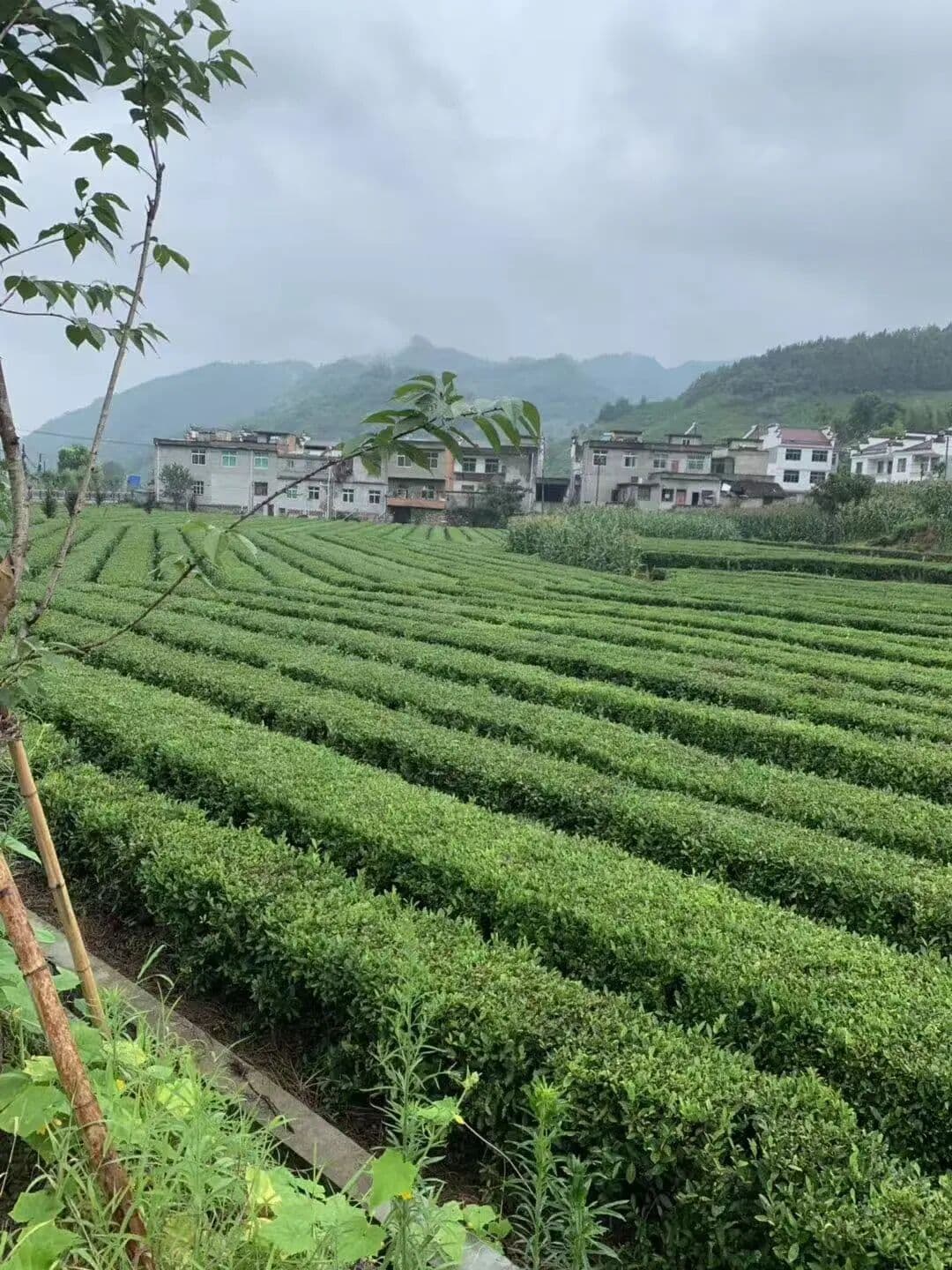
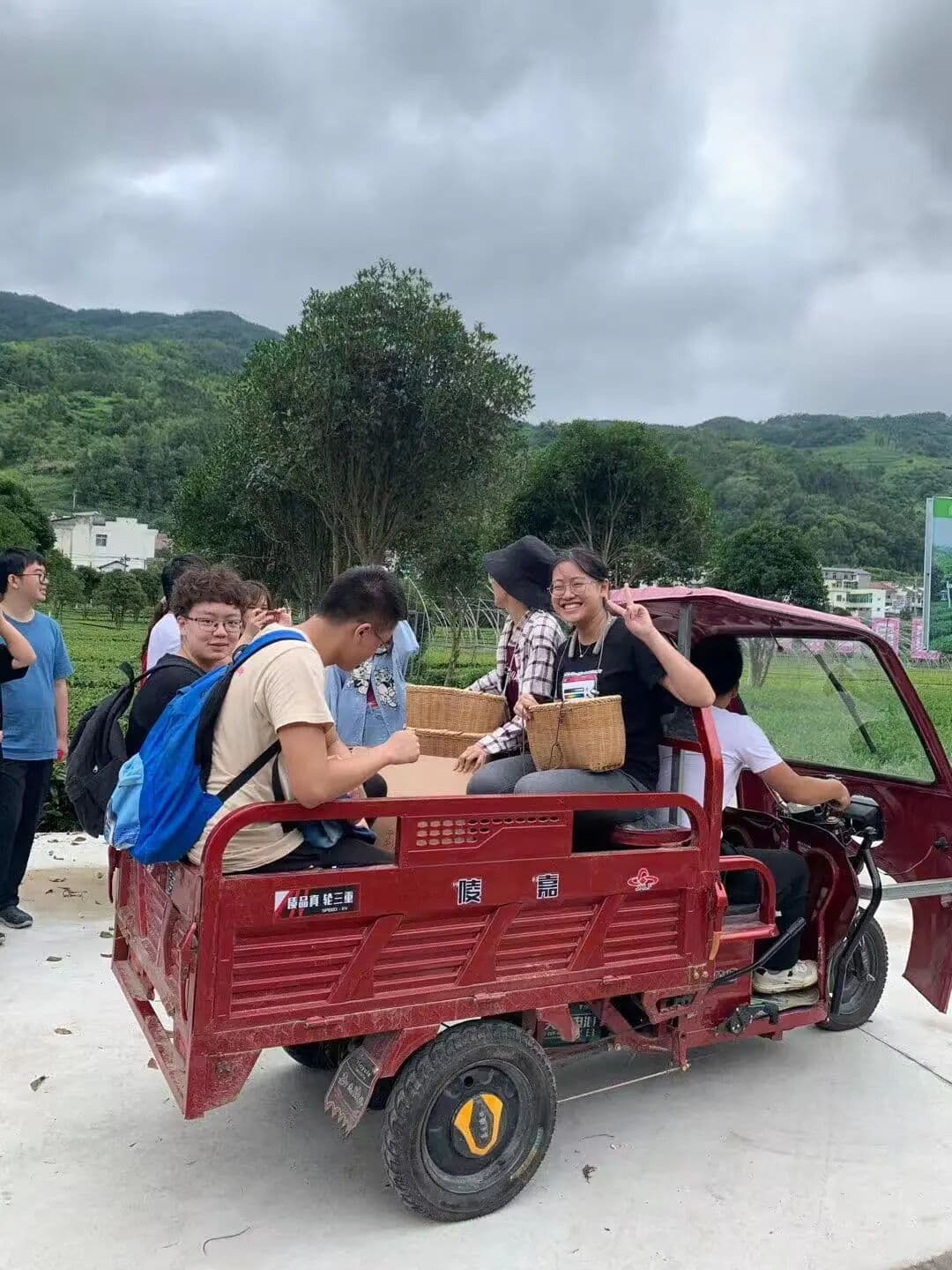
In just one short week, I enrolled in four or five courses, hopping between professors and soaking in new and exciting ideas. We visited tea farmers, engaged in heated discussions with friends from diverse backgrounds, and explored perspectives I had never considered. I still vividly remember one night during the camp barbecue when a teacher said:
"The field isn’t something you control.
It’s much bigger than you.
It can make you feel small—
and maybe that’s exactly right."
I was left in deep thought.
Years later, studying abroad in a foreign land, I often recall that summer. I remember the young girl at the teahouse who only spoke in her dialect, the sweet local green tea unique to Ankang, friends swinging together in the dirt under the night sky, and our discussions about the future and our dreams at two in the morning. What happens in the mountains? Pine flowers brew wine, spring waters steep tea. Today, we are all on very different paths, and the countless stars of that summer night have gradually become a memory fading into the distance.
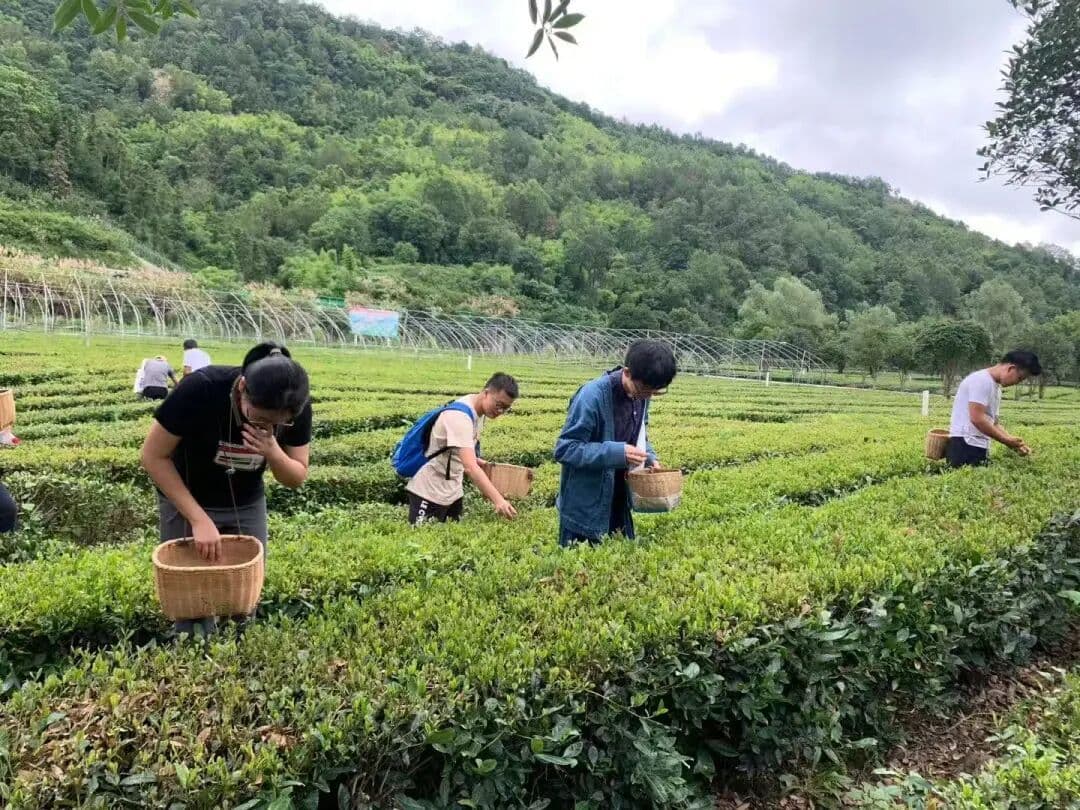
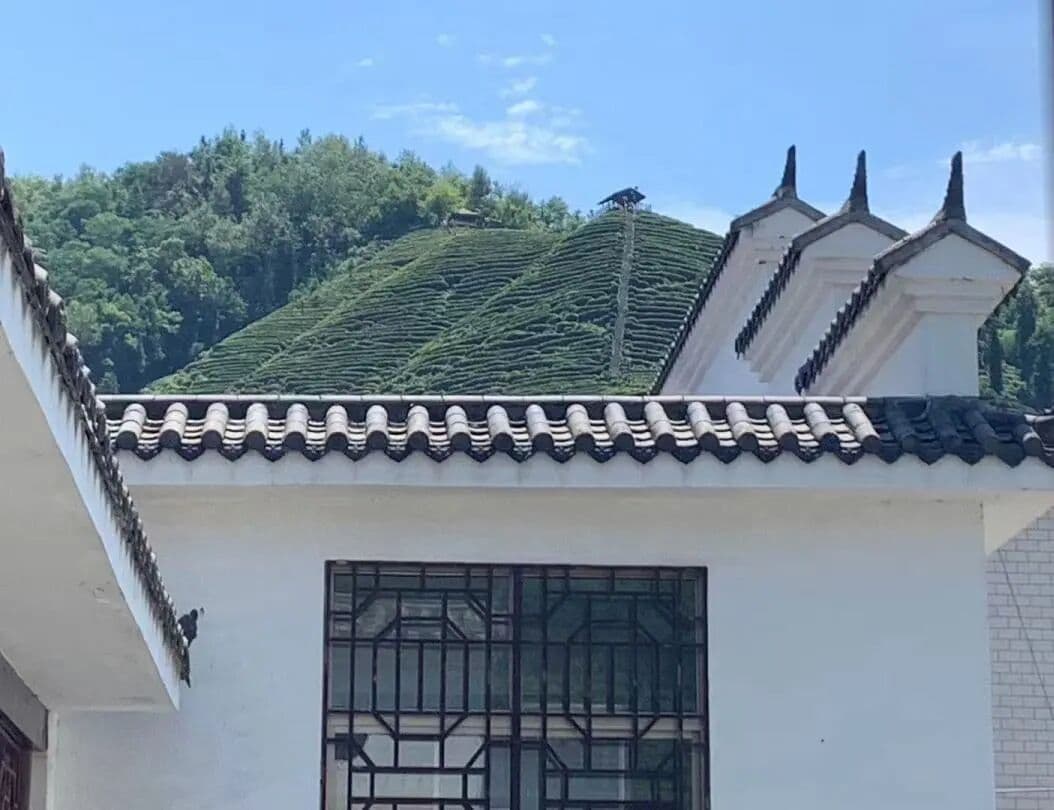
We weren’t trying to become heroic scholars—we just wanted to inch closer to understanding the essence of the world. What I learned from anthropology, I suppose, was that perspective: it reminds us to approach the world through human-scale lenses, to draw near to others with gentleness. Even a fleeting closeness can be enough.
The Ankang camp is long gone, and my notes have moved homes several times. Yet some sparks ignited back then have grown into a wildfire. During my fieldwork, I paid particular attention to the local dialect and even included a brief note about it in my final report. Four years later, I find myself truly studying linguistics—exploring how machines understand our “incomplete” speech, probing the fuzzy boundaries between language and thought, and questioning what it even means to “understand.”
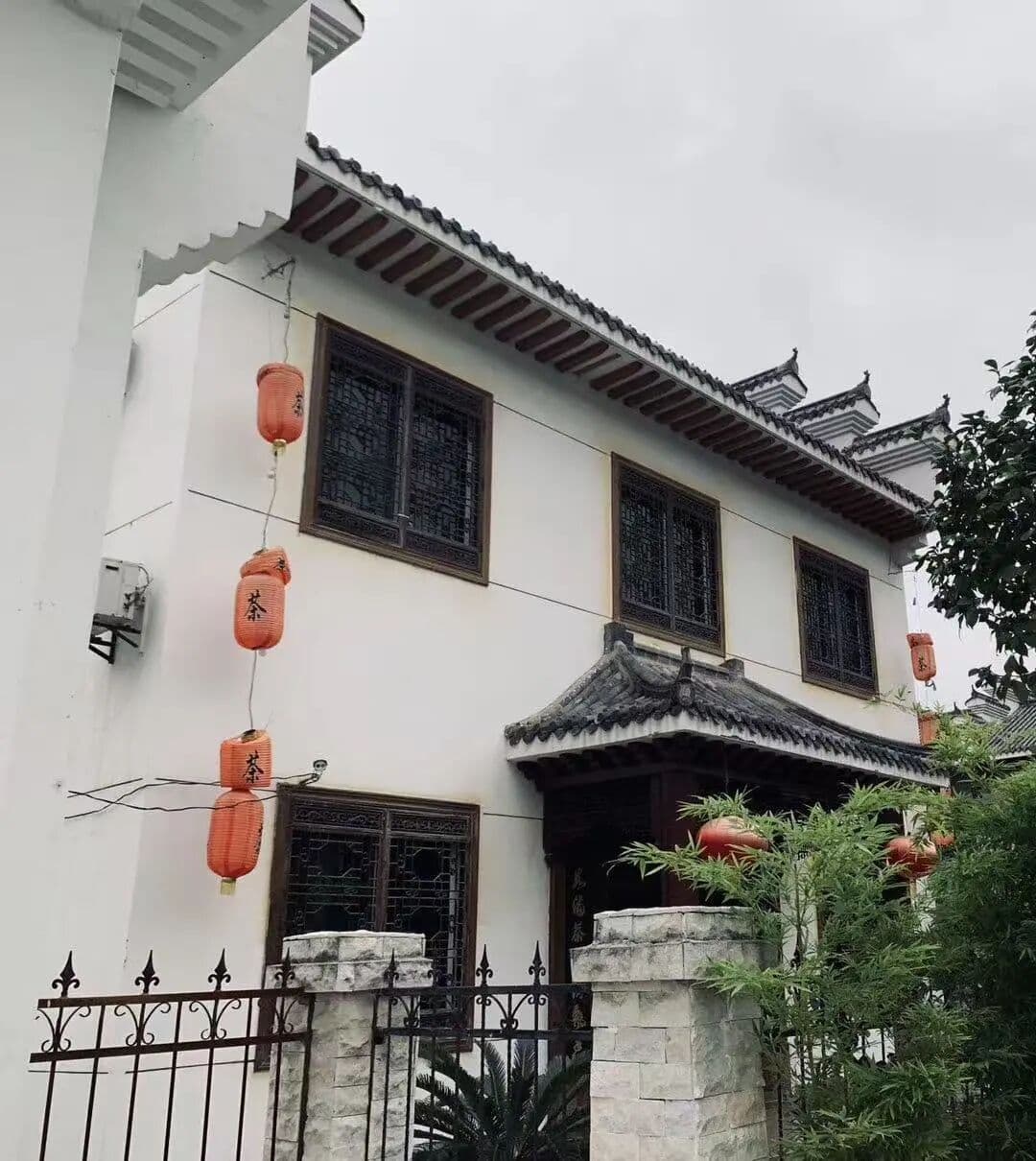
Without that field camp experience, I might have followed a more “typical” path in linguistics. But because of it, I learned to wait patiently, to truly listen, and to admit that not every “input” requires an “output,” and not every “variable” needs to be “modeled.” In a way, what I do now is transform those unmodelable moments I encountered in the field into my doubts on paper, my dissatisfaction with model accuracy, and my constant questioning: How should we really understand a person? Language is more than grammar or syntax—it is the ongoing connection between people, the “living practice” in anthropological terms, and the call of the Other in a philosophical sense. In this way, anthropology has offered invaluable guidance for my academic journey.
“Future anthropology” is not a disciplinary label; it’s a way of sensing the world—not for novelty, not for theory—but a return to life, to real people, to the cracks where we meet each other. I study language now, but I know this: language is not the goal, it is the channel. Anthropology is not the goal, it is the perspective.
The other side of the world is still out there.