Reflections on the Second Session of the Inaugural “Future Anthropologists” Summer Field Camp
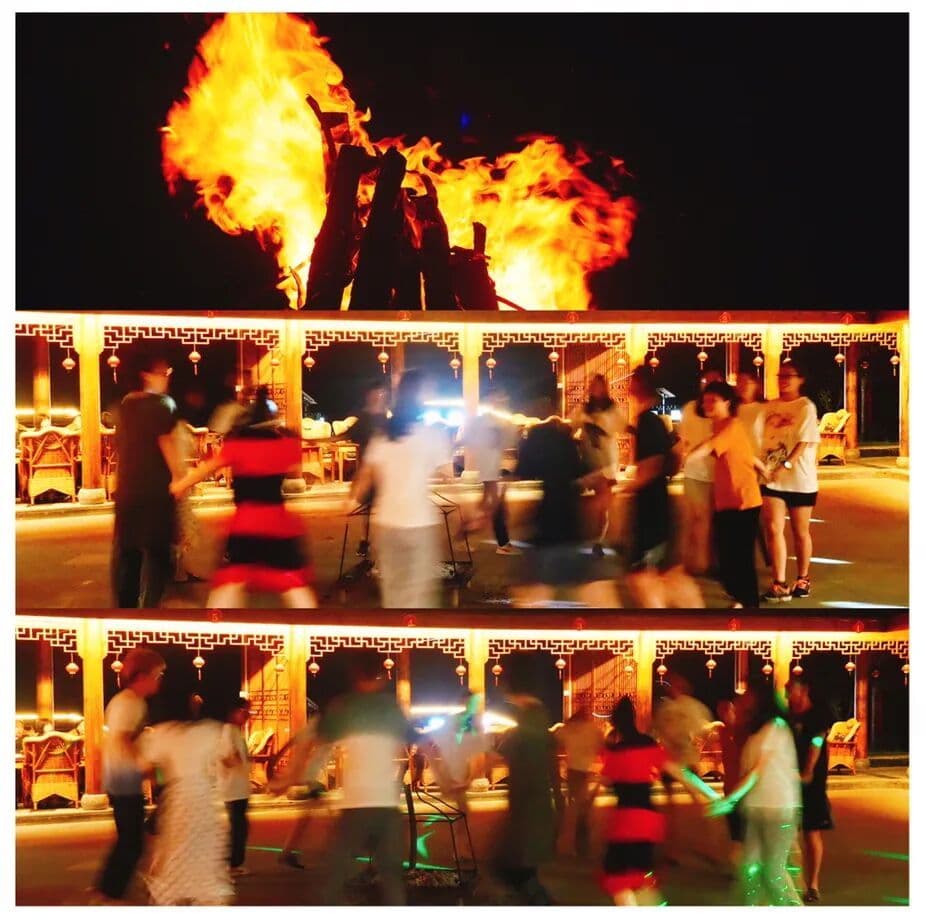
Editor's Note: From August 9 to 15, 2020, the second session of the inaugural Future Anthropologists Summer Field Camp was successfully held in Xiangyang Town, Ziyang County, Ankang City, Shaanxi Province. Centered on fieldwork and theoretical learning, the camp was led by a professional team of instructors and graduate students from prestigious universities both in China—such as Nanjing University, Peking University, Xiamen University, Sun Yat-sen University—and abroad, including the École des Hautes Études en Sciences Sociales (France).
The program attracted over a dozen young participants from across China, each with different educational backgrounds and interests, yet all united by a shared passion for anthropology. The seven days of camp created countless unforgettable memories for both students and instructors. We are pleased to share these precious moments with our readers!
Students’ Reflections
Cui Sirui, Peking University:
Returning to Ankang for the second time, these seven days felt almost like borrowed time. Back in the city, there are no wide-open valleys for the soul to stretch, nor the intense human density that kept our minds and spirits running at full speed. At this summer camp, we studied purely for the sake of learning, and exchanged ideas purely for the sake of conversation—both learning and dialogue became some of the most exciting things in the world. Meeting so many fascinating people and gaining so much intriguing knowledge… looking back on this summer still feels like an unbelievable dream.
Cao Yongtai, Nanjing University:
A week after leaving the field camp, buried in the daily grind, I feel even more keenly how free and full of vitality those days were. As the Book of Rites says: “When a gentleman observes ritual, he pours out his heart with care, showing respect and sincerity; he embodies beauty, decorum, and truthfulness.” The process of fieldwork is not only a way to understand the world, but also a way to understand oneself. We set aside all biases and preconceptions to experience the world in its most authentic form. This is not an act of detached arrogance, but a careful, respectful engagement with life. Listening honestly and humbly to others, we open ourselves to infinite possibilities. In ethnographic writing, “embodying beauty, decorum, and truthfulness” allows us to glimpse the structures of human society through individual lives. As Hermann Hesse once wrote:
"The thousands of voices of the world’s peoples pursue the same goal, calling the same gods by different names, holding the same dreams, enduring the same suffering… The true reader will see a sublime, surreal vision—a human face magically unified from countless contradictory expressions."
At the same time, the camp itself is young. We passionately discuss religion, art, and society, curiously exploring different facets of human life—from the Nanute people of northern lands to the Afar of Ethiopia, from folk songs of southern Shaanxi to local religious practices. Aristotle said that the love of wisdom begins in wonder. New experiences refresh our perspective, enrich the dimensions of life, and weave themselves into the continuity of existence, giving us a sense of historical depth. Youth is not measured by age, but by the courage to break free from the shackles of years and experience, venturing ever deeper into wisdom. In the enthusiastic eyes of every teacher and fellow participant, I could see the tension and energy of youth.
I am deeply grateful to the field camp for pulling me out of the mundane, barren routines of life, allowing me to re-examine myself and the world, and to remain young at heart and full of passion.
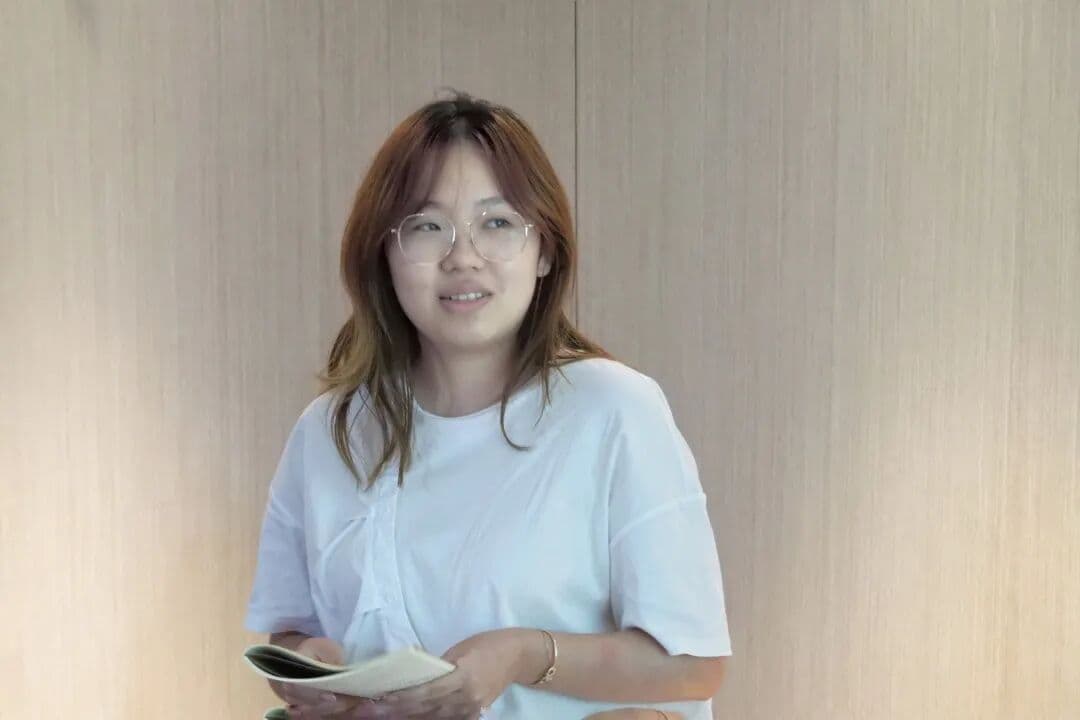
Liu Shuqi, Nanjing University:
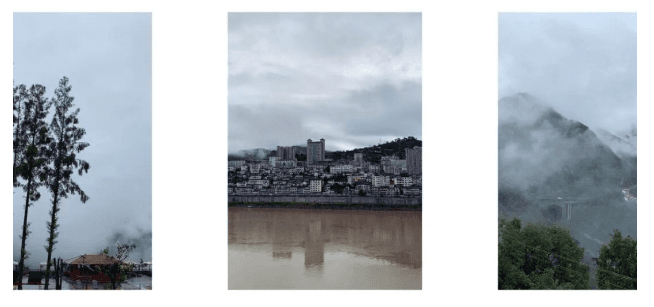
Spending just over a week in Ankang felt like living through a brief, beautiful dream. In that dream, there were rolling mountains, drifting mists, flowing streams, small temples, and a group of wonderful companions—everything now seems almost unreal.
Although I am about to become a student of anthropology, I knew almost nothing about the discipline before arriving here. So every moment at the camp was spent eagerly absorbing knowledge—learning from the instructors, learning from those around me—and I probably asked some questions that were a bit laughable. Not touching games, novels, variety shows, or TV for several days was an unexpected bonus—and honestly, it didn’t feel bad at all.
I had long felt a kind of fear toward this unfamiliar field of anthropology, which kept me from fully committing to it. This summer camp helped me rediscover my original curiosity. These eight days have, in a sense, set the course for the year of study ahead of me.
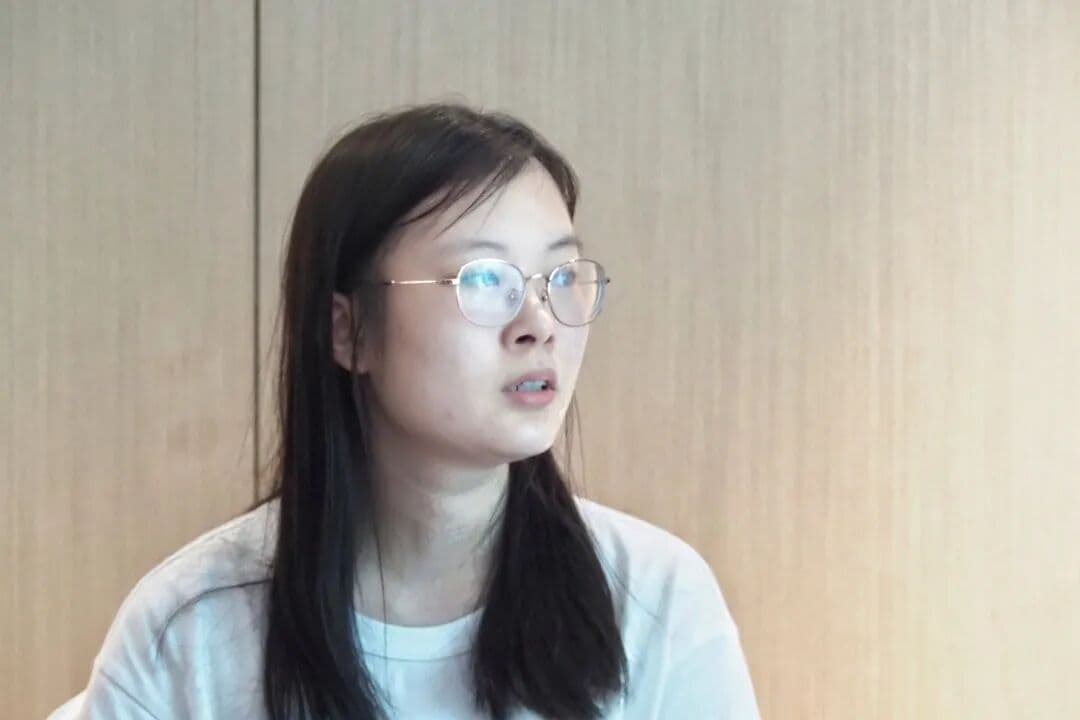
Feng Huiru, Nanjing University:
During this week of the camp, my gains were rich and complex. Perhaps I can only describe a few of the more easily expressed aspects. The most significant experience was participating in a small-scale “fieldwork” with the instructors. This was my first time engaging in anthropology-style fieldwork, and it is unlikely I will have such hands-on guidance again.
As a journalism student, I was surprised to find that, although both disciplines involve gathering information from strangers, the atmosphere of interviews, the methods of collecting, recording, and organizing materials, and even the ways of observing and understanding phenomena, are somewhat different in anthropological fieldwork compared to journalistic reporting. This difference was surprising, but it also delighted me, as it offered a new perspective on observing and understanding the world.
After several days in the field, the seemingly fragmented materials began to connect, and a clearer picture of the local tea production-to-sales chain gradually emerged. Additionally, I felt especially fortunate to receive guidance, answers, and encouragement from the instructors, and to meet sincere, perceptive friends who share a genuine love for knowledge. Together, we laughed, talked, and explored ideas freely—a truly rewarding experience.
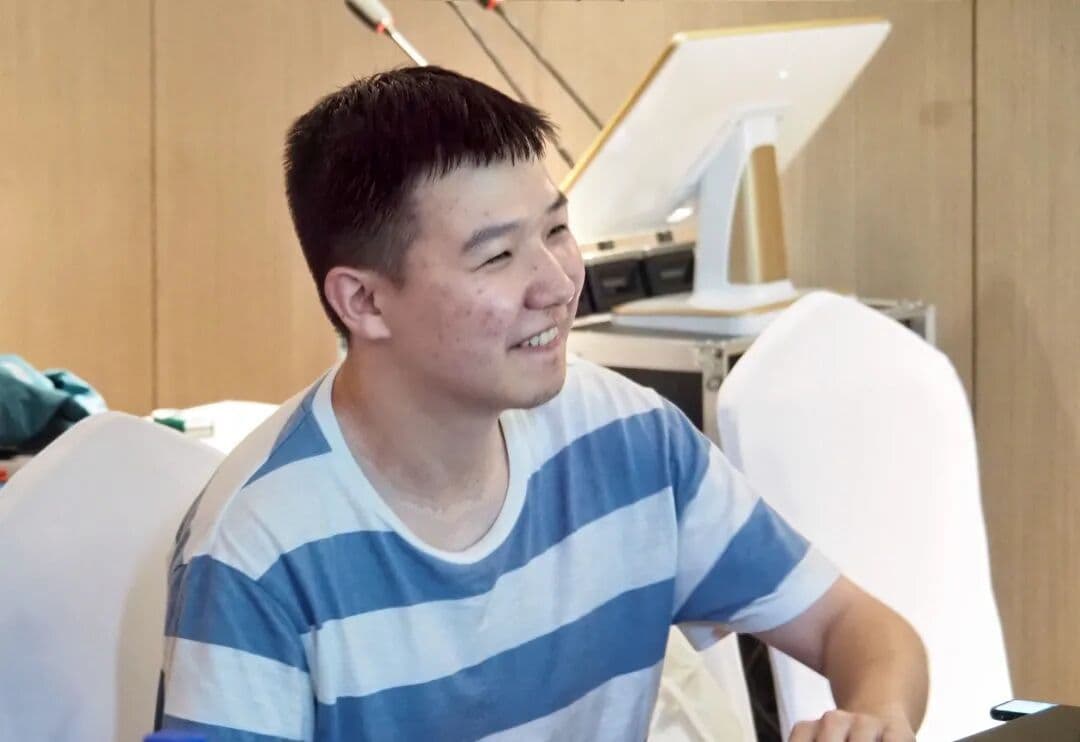
Tan Tianyu, Southwest University:
The “Future Anthropologists” Summer Field Camp—just a few days, yet incredibly fulfilling. As an undergraduate who has been studying anthropology and ethnology, this experience has been deeply inspiring. Students from all over the country, from diverse disciplines and perspectives, came together, and I gained a wealth of ideas and moving experiences.
When we discussed kinship paradigms, folk practices, and historical records in class, the dry terminology alone might not have stirred me. Yet, being in the tea gardens of Ziyang, I felt as if what we were studying was the world itself. Growing up in a globally homogenized cultural environment, I often find the world to be abstract and distant. Being in the field, however, I experienced a sense of connection and authenticity. Anthropology taught me to explore a completely unfamiliar world rather than ignore or resist it. This is a world full of intersubjectivity—whether in religion, marriage, art, or culturally acquired behaviors, or in the unique character of each individual—nothing in this world is beyond understanding, and no conflict is beyond reconciliation. When facing the world, we cannot dismiss what we do not understand as “barbaric”; every practice and belief has its own context. This perspective encourages me to approach the world with openness and gentleness rather than judgment.
I am grateful for the effort in organizing this camp, for the teachers who participated, and for seeing Wang Xiyan tirelessly care for us—it was deeply moving. I am also thankful to Professors Fan, Nan, and Li for their guidance and support.
Lastly, I thank my fellow participants, especially the members of our cultural creation group. You have given me many unforgettable memories. I think of the tea gardens at Banmu Supply and Marketing Cooperative, the starry sky over the Ziyang mountains, and the wind along the Ankang River—I hope we will meet again.
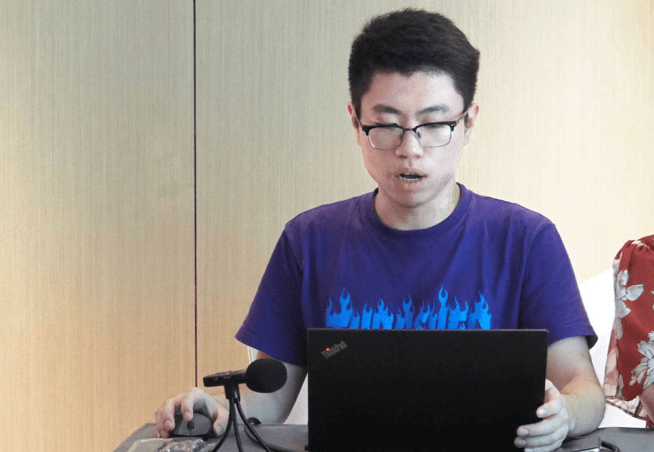
Wang Jiachen, University of Minnesota (USA):
This field camp brought me many unique experiences. The academic courses guided me into the world of anthropology, allowing me to understand the theoretical frameworks and research methods behind the discipline. Yet it was the actual fieldwork that truly challenged many of my theoretical assumptions, letting me directly experience the significance of inhabiting the “other” perspective in every stage of anthropological inquiry.
Encountering unfamiliar people and environments always brings a certain level of shock, and such encounters also stimulate self-reflective thinking. Although my week in Ziyang was short, the exploration of the local nature and culture, along with meeting all the sincere teachers and fellow participants, provided me with a profound, almost transformative experience. I am grateful to all participants and organizers of this field camp for their shared interest and passion for anthropology. This enthusiasm created the opportunity for everyone to come together and continues to inspire each person to move forward on their anthropological journey.
Yang Zijiang, Shandong University (Weihai):
I have never felt so close to the vast world I once took for granted. The “Future Anthropologists” Field Camp is one of the most inclusive and intellectually adaptable research experiences I have ever joined. Walking into the field and engaging with reality directly offers beginners from all disciplines a fresh and profound way of learning.
During the anthropology camp, as someone transitioning from linguistics to communication studies, I was deeply grateful for the instructors’ thoughtful guidance and concise yet powerful introductions to the field. Their patience and care made anthropology feel both approachable and alive.
The Future Anthropologists Field Camp is a free-spirited utopia and a shared academic space. It remains the most beautiful and grounded dream of my summer in 2020. Though mountains and seas lie between us, we will meet again. I hope future camps will welcome even more young scholars who dare to imagine, to speak, and to explore.
Chen Yuntong, Guangdong University of Foreign Studies:
On my last night in Ziyang, I ate some meat and played with a cat. I wasn’t drunk, but with good company around me and Eason Chan’s songs in the background, I felt happily light-headed. On the night we went stargazing, a few of us climbed the mountain together. At times we connected through conversation; at times I drifted away into my own inner world.
The forest glowed with a calm, purplish light. Fragile starlight paved the path, guiding my eyes ahead of my steps. I fully enjoyed the quiet pleasure of wandering alone—free from the need to explain myself to anyone. The mountain wind lifted my wings. Looking back on the past week, my heart was simply filled with joy—joy, and more joy. The harvest was far greater than I had imagined.
When the seven days ended, there were still many classmates I hadn’t had time to truly know. Yet in this summer, between mentors and companions, there was so much kindness, understanding, and sincerity. The strength I gained there will be enough to carry me through the coming winter.
Zhang Han, Xi’an Jiaotong–Liverpool University:
I am truly grateful to the teachers for organizing this summer camp, and even more grateful that I signed up without hesitation when I first saw the announcement. As someone completely new to anthropology, this camp became my first real step into the field.
During the program, I listened to many inspiring talks, such as Professor Yang Derui’s lecture on Han folk religion and Professor Wang Xiyan’s explanation of natural anthropology. I also developed new interest in topics I had not cared much about before, especially through Professor Wang Peng’s discussion of Marx. After spending nearly half a year in online classes due to the pandemic, being able to meet in person, talk, and debate with teachers and classmates here made me genuinely happy.
Whether in daily classes, during fieldwork, or at the dinner table in the evenings, I could exchange ideas anytime with such wonderful teachers and peers. That freedom of conversation was a real joy. May the mountains remain green and the rivers keep flowing, and may fate bring us together again.
Li Jiatian, Shijiazhuang Foreign Language School:
Constant input—input—input. Those seven days pushed my brain to its highest speed of the year. New knowledge, new frameworks, everything felt fresh and intense, and it all fascinated me.
My favorite moment was the bonfire night. We sat by a small pond and sang together. There was no set order, and that was the best kind of order. Teachers who usually stood at the podium started singing, and then everyone joined in. It was beautiful—truly beautiful. That night, I slept more deeply than I had in a long time.
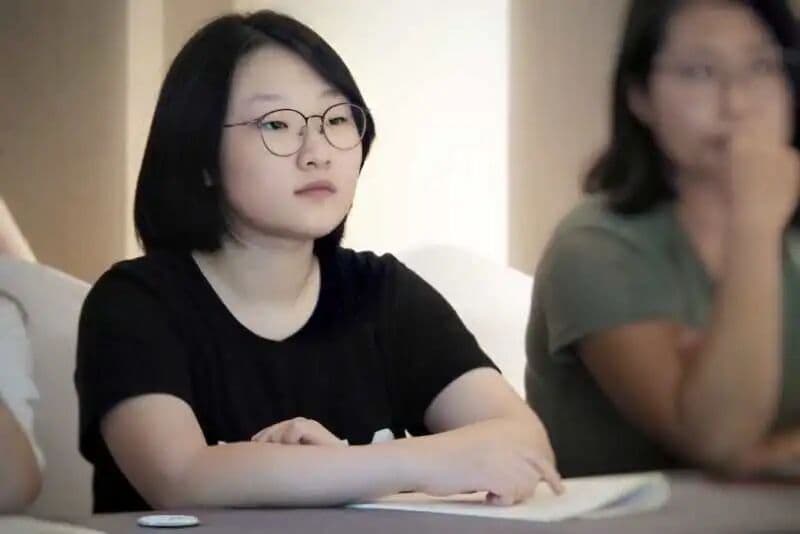
Liu Haoyu, Shijiazhuang Foreign Language School:
After the pandemic, I’ve felt more and more how rare it is to be surrounded by people who truly share your interests. These days felt almost like living in a utopia. I met so many wonderful people and learned so much.
In the field, we chatted with villagers and helped an elderly woman break corn. At the dinner table, we discussed questions with our teachers while eating, and later stayed up late talking with classmates in our rooms. After half a year of confusion, I found that sense of passion again—the love for knowledge—and the motivation to keep moving forward.
Some of what I learned may fade with time, but I believe that in the future, whenever I think of the city of Ankang, I will remember those friends standing shoulder to shoulder, the days and nights of the summer camp, and the happy version of myself back then.
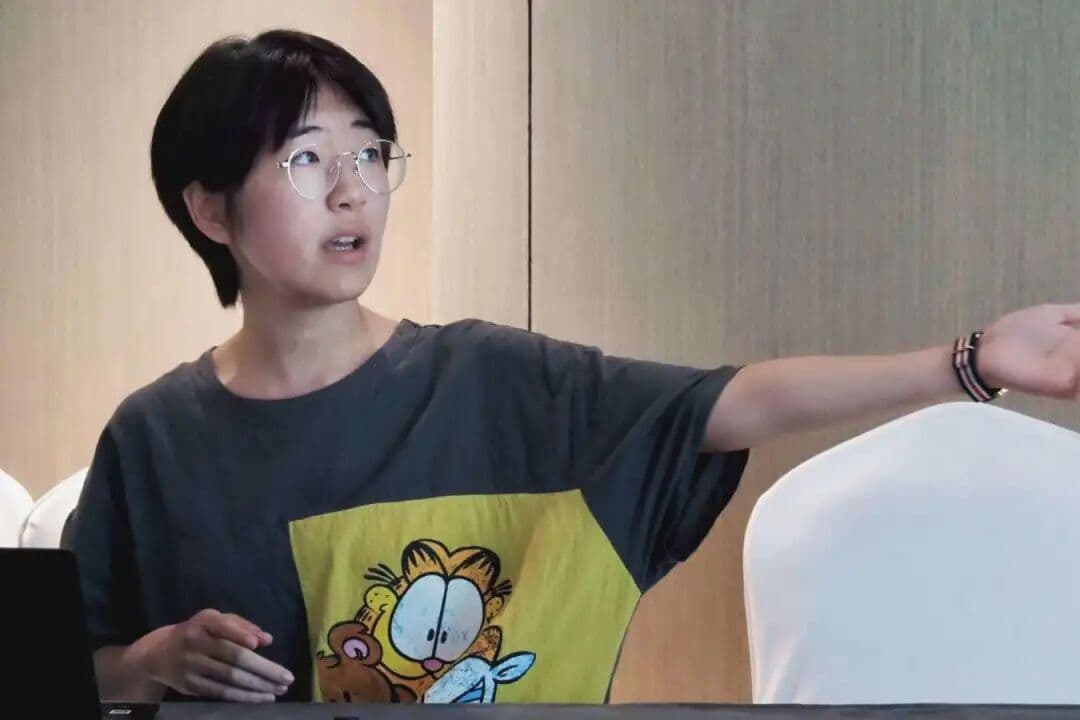
Li Anran, Shijiazhuang Foreign Language School:
I stepped out of my own Peach Blossom Spring, carrying a single petal with me.
I truly want to say that this place, for me, was like a real-life Peach Blossom Spring. I met so many beautiful people, and at the same time, I encountered a new version of myself.
First, I was pleasantly surprised to discover how simply and purely I could love learning itself. No matter how new or difficult the topics were, I wanted to look a little more, listen a little longer, understand a little deeper. I was learning for the sake of learning.
Another change, subtle yet important, happened within me: money no longer feels as central as it once did. I used to hold an almost “money-first” mindset. When talking about career plans, I would say, “I want a job that makes money fast.” But now I realize I can endure solitude, stay patient with academic work, and refuse to trap my future inside the glittering, tempting prison of money alone.
I have stepped out of my Peach Blossom Spring, carrying with me a blossom that will never wither.
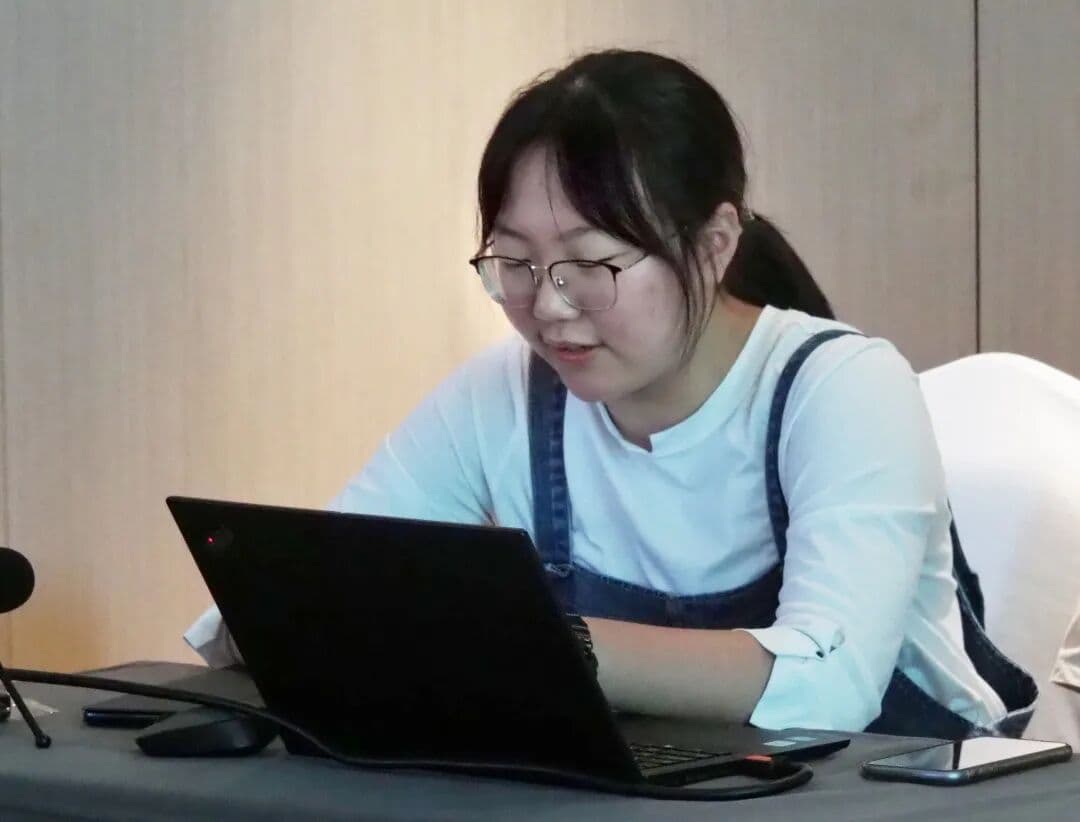
Zhu Enxuan, Shijiazhuang Foreign Language School:
This fieldwork summer camp has become the most unforgettable part of my entire vacation. There is so much I want to say.
First, surprisingly, about food and accommodation. When I first heard we would stay in the mountains, I imagined something like a simple countryside guesthouse and even wondered whether I should bring a mosquito net or cooking tools. But once I arrived, I realized I had overthought everything. The hotel was beautiful and comfortable, surrounded by stunning scenery, and the meals were amazing — every time, a full table of delicious dishes.
Then there were the courses. Each teacher had a unique style, and the topics were incredibly diverse. We learned the basics of anthropology — what it is and how anthropologists think. We learned practical skills such as drawing kinship charts, anthropological perspectives on religion, and rich fieldwork experiences. I learned what “diffused religion” means, the history and origins of religion, the nature of agricultural labor, and how to analyze capitalist modes of agricultural production. From the teachers’ field stories, I realized that fieldwork is everywhere, at all times. I learned how to enter the field, how to find a path, and how to integrate materials into understanding.
Through these stories, I also saw very different kinds of lives: someone who insisted on cycling across China despite injuries and hospital stays; someone who picked and processed tea in the mountains of Yunnan and sold it nationwide; and someone who turned birdwatching into a profession, protecting nature and birds in their own way.
And then there was the most unforgettable part — real field investigation. We were divided into groups and explored different directions. Using various methods, we searched for people who understood local folk songs. For the first time in my life, I went alone to a cultural center, climbing up and down, asking questions by myself, and feeling an unexpected sense of achievement.
I promise this is a journey you will never forget. Everyone is welcome to come and experience it.
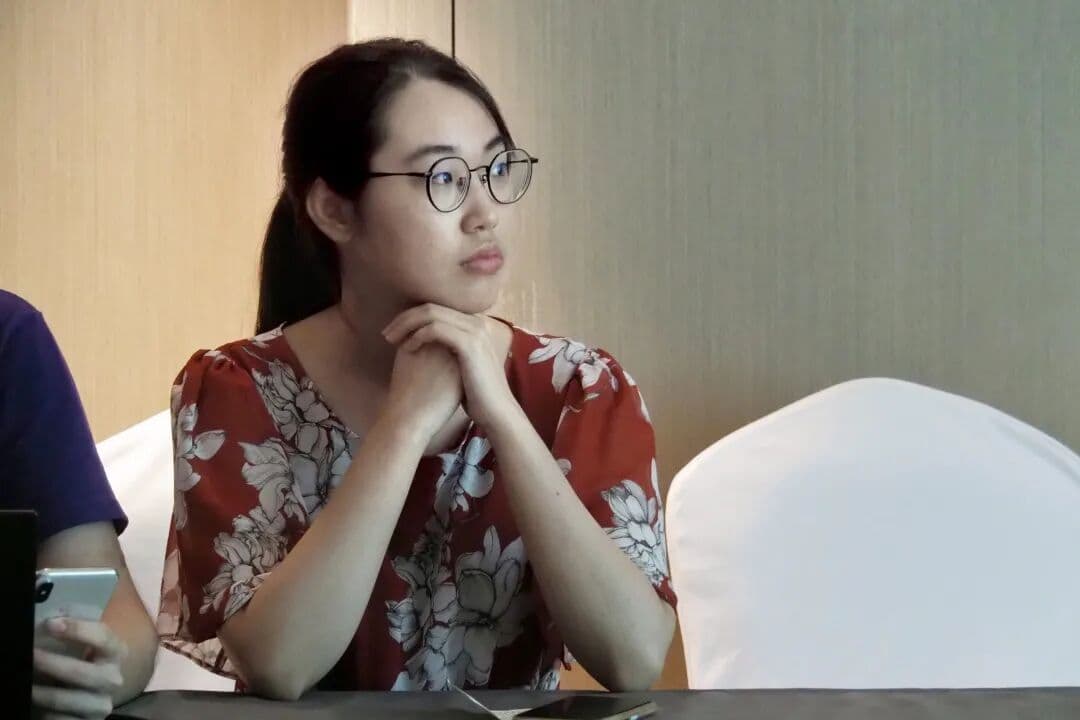
Li Yizhen, Consulting Professional:
For me, the summer camp is forever framed by the bonfire night. We climbed the mountain at the invisible border between yesterday and today, watching the stars at midnight, revisiting the field sites of the past week for the last time.
On the pitch-dark mountain road, vision — the most dominant of the senses — was suspended. We turned off our flashlights and walked hand in hand along the winding road. At an open spot, we loosened our hair dampened by mountain mist, letting it fall across the steep concrete slope. Our bodies rested along the tire marks, offering ourselves honestly to the earth. Lying there, we looked up at the Milky Way and passing meteors, unconcerned about whether a car might come from ahead or footsteps from behind. At that moment, time and space belonged only to us.
There was a slight nervousness born from the darkness, yet our steps felt light and free. We spoke from the heart, drawing out thoughts buried deep inside. Depth, I realized, is contagious — and can be activated. People with aligned energies are always summoned together by fate.
Xiyan once said she hoped more people could benefit from social-scientific ways of thinking. Yet the harvest of this field camp went far beyond that. Some participants described it as a utopia away from worldly noise. To me, however, this “utopia” is not merely a physical elsewhere. Its uniqueness is not the cliché that “no two leaves are the same,” but rather the surprise of discovering a single green leaf among a pile of yellow ones.
By day, we entered the field and absorbed knowledge; by night, we held mind-stretching discussions; after lights-out, unseen conversations continued in the dark. Though physically demanding, these days brought a rare kind of spiritual pleasure — moments when I truly thought and felt for myself.
I still remember meeting several drivers at a field site who regularly came up the mountain to drink tea together. I wondered: since tea products can be carried anywhere in the world, why come to a place where food, clothing, housing, and transport are inconvenient? One of them answered, “We drink a feeling.”
For tea and the environments it grows in, the emotions and sensations they produce in people differ across the groups we visited — tea farmers, government workers, and business operators. By temporarily suspending our social backgrounds and identities, listening and speaking about real, concrete life in the moment, identity became secondary. Different perspectives collided, and the sparks they produced were subtle, surprising, and deeply moving.
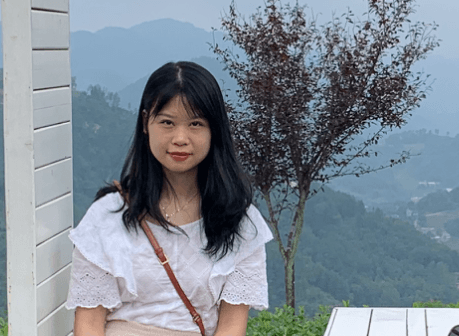
Hu Qianqian, Hubei University of Technology:
I am the kind of slow kid who always realizes things a few beats too late. Today, only today, did I truly feel that the summer camp is over — and that my summer itself is slipping away.
When I walked out of the mall this evening, the temperature at sunset felt strangely considerate. The summer wind didn’t feel like summer at all. Along with the ever-present stickiness, what also disappeared was the season itself — something quietly escaping, impossible to hold onto.
For me, the impact of many things never shows itself immediately. Beautiful experiences act on me slowly. Even now, I can’t fully articulate what this summer has meant. I only know clearly what I won’t forget: the nights of long conversations without staying up all night, the star-filled skies, just as I won’t forget the freely breathing sunsets of Nanjing and the glowing river at dusk.
When posting photos, I hesitated for a long time — whether to adjust the colors, tweak the parameters again and again. In the end, I stopped. Not because the edits weren’t pretty, but because it already felt right. Compared with images wrapped in beautiful filters, the original state lets me return to the moment itself and relive it once more. More than showing others that I had something beautiful, I wanted to experience that beauty again myself.
Human relationships have always been difficult for me. I think I’m clumsy. I often place myself into anxious, awkward connections. With my twisted personality, I’m better at escaping than fixing things, and so many relationships simply fade without explanation.
But those two nights together were something magical. Everyone sat so close to each other, speaking with a sincerity almost naked in its honesty. For a slow-reacting kid like me, it felt like going through a social process at 32× speed — and yet it never felt uncomfortable. On the contrary, I enjoyed every second. To have several moments like this within just one week makes me a very lucky kid.
Yimeng once said, “They feel like part of my body now.”
I think the stars that night also became part of me — butterflies beating lightly inside my stomach, a drop of moonlight resting in the small bowl of my heart.
I told the teachers that, for me, this was less a harvest than a planting. But I’m a confused farmer. I don’t know whether what grows will be mangoes or potatoes. And precisely because of that, there is infinite possibility and infinite expectation — Schrödinger’s cat, hqq’s fruit.
I hope it’s mango. I really love mangoes. Sweet potatoes would be fine too.
I still feel like the same kid, foggy about the future, often thinking I’m not good enough, often sinking into anxiety. But now, I’m willing to walk, and willing to love. Just walking and loving already bring so much in return.
As Keats wrote: “A thing of beauty is a joy forever.” Its beauty increases, it will never pass into nothingness.
And finally, under the clear night sky of Wuhan, I saw countless shimmering stars.