Reflections on the First Session of the Inaugural “Future Anthropologists” Ankang Summer Camp
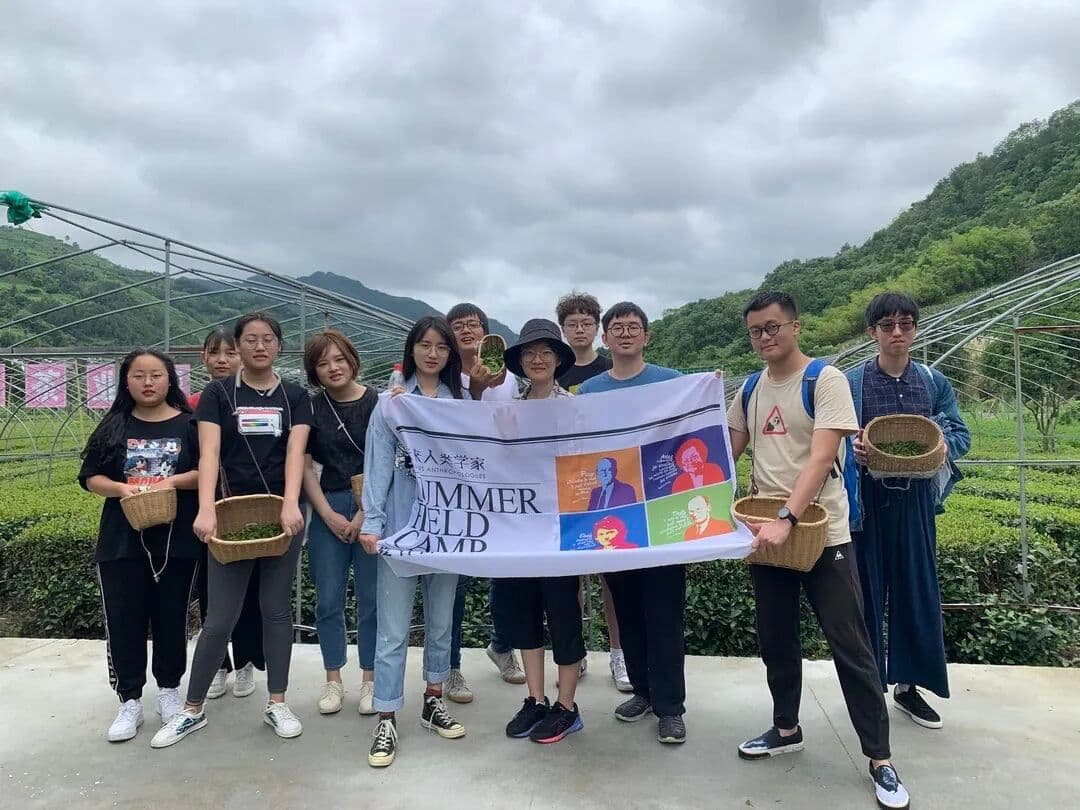
Editor's Note: From July 19 to 26, 2020, the inaugural Future Anthropologists’ Summer Field Camp was successfully held in Chang’an Town, Pingli County, Ankang City, Shaanxi Province. Focused on fieldwork and theoretical learning, the camp was led by a professional team of instructors and mentors from top universities both in China—such as Nanjing University, Peking University, Xiamen University, and Sun Yat-sen University—and abroad, including the University of Chicago, Oregon State University, and the École des Hautes Études en Sciences Sociales in France.
The program attracted over a dozen young participants from across the country, each with different educational backgrounds and interests, yet all sharing a passion for anthropology. The seven days of fieldwork left students and instructors alike with countless cherished memories. We have gathered these precious recollections here to share with our readers.
Students’ Reflections
Cui Sirui, Peking University:
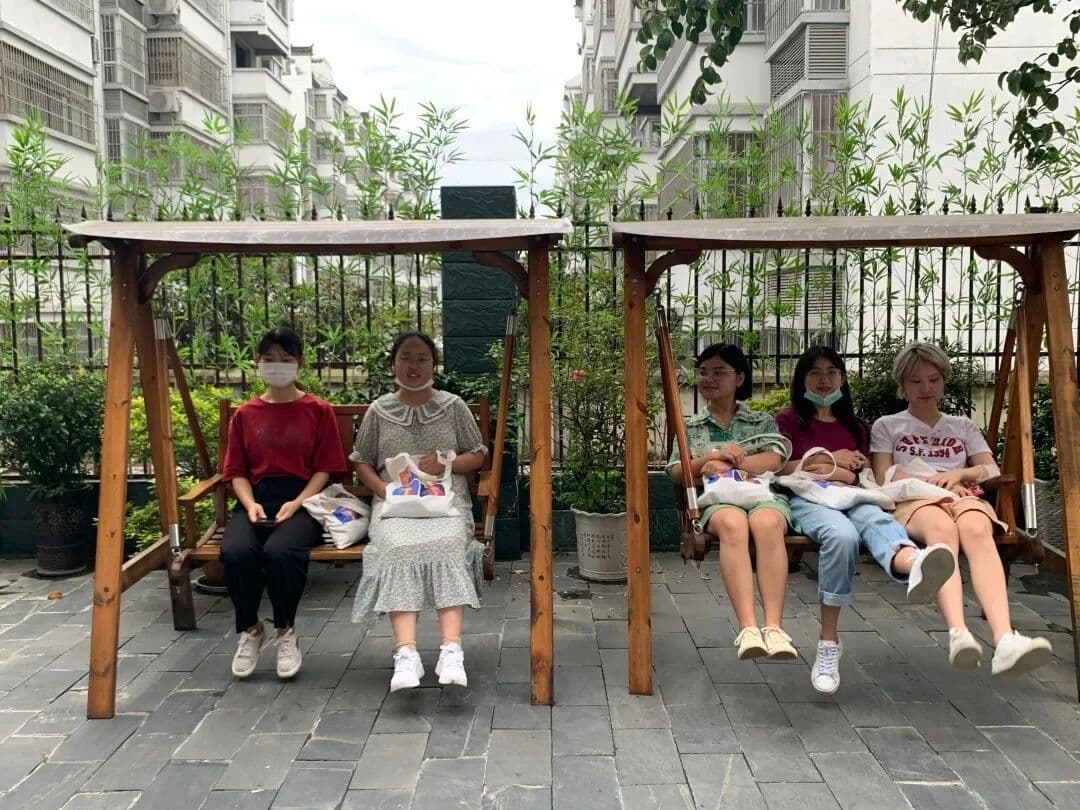
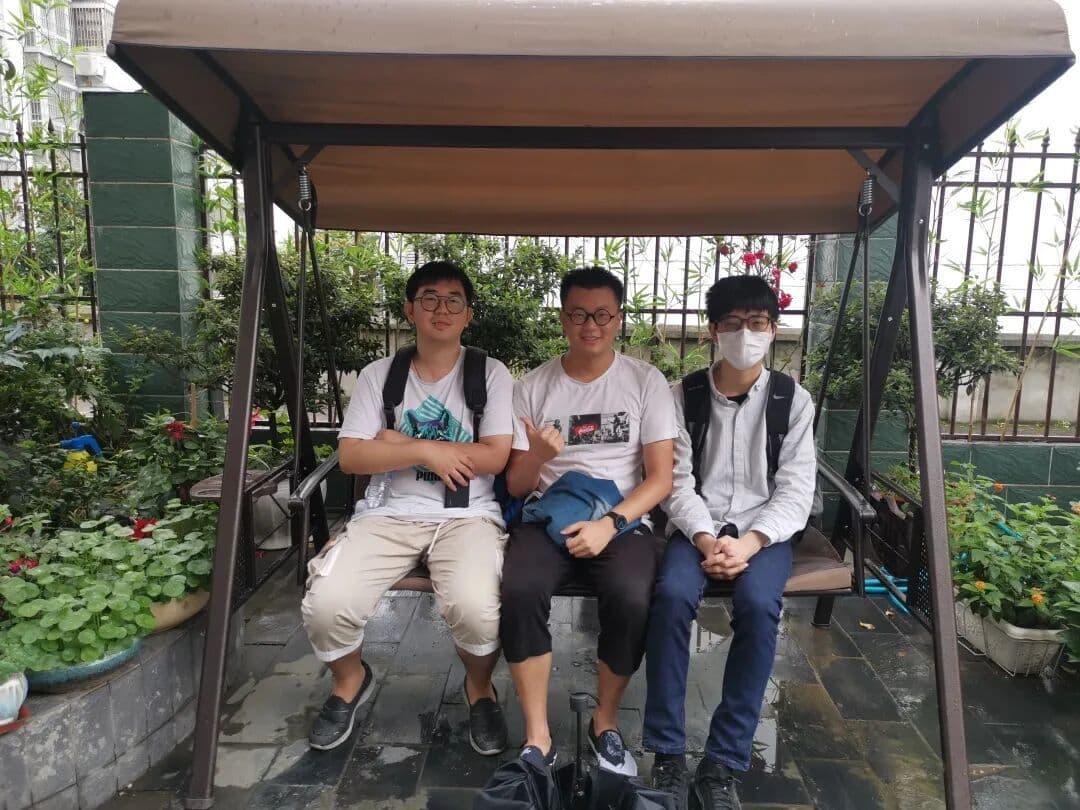
I don’t even know where to begin—this week was so rich, it could almost be stretched into a month. Nothing compares to the happiness of being surrounded by a group of like-minded people. I have never had so much energy, staying nearly eighteen hours a day in classrooms, in the field, at meals, on swings—or rather, at every possible moment—eagerly listening to teachers and fellow campers, sharing knowledge and everything in between.
The boundaries between teachers and students were blurred; everyone was both giving and receiving. This was the perfect space for dialogue we had always longed for—a real, living utopia. That week felt like living several lifetimes in just seven days.
Wu Yuqin, Haverford College, USA:
Looking back, the field camp feels almost like a dream. From the moment I woke up in the morning to the moment I lay down at night, I was thinking and talking almost constantly—I had never felt so exhausted, yet so fulfilled.
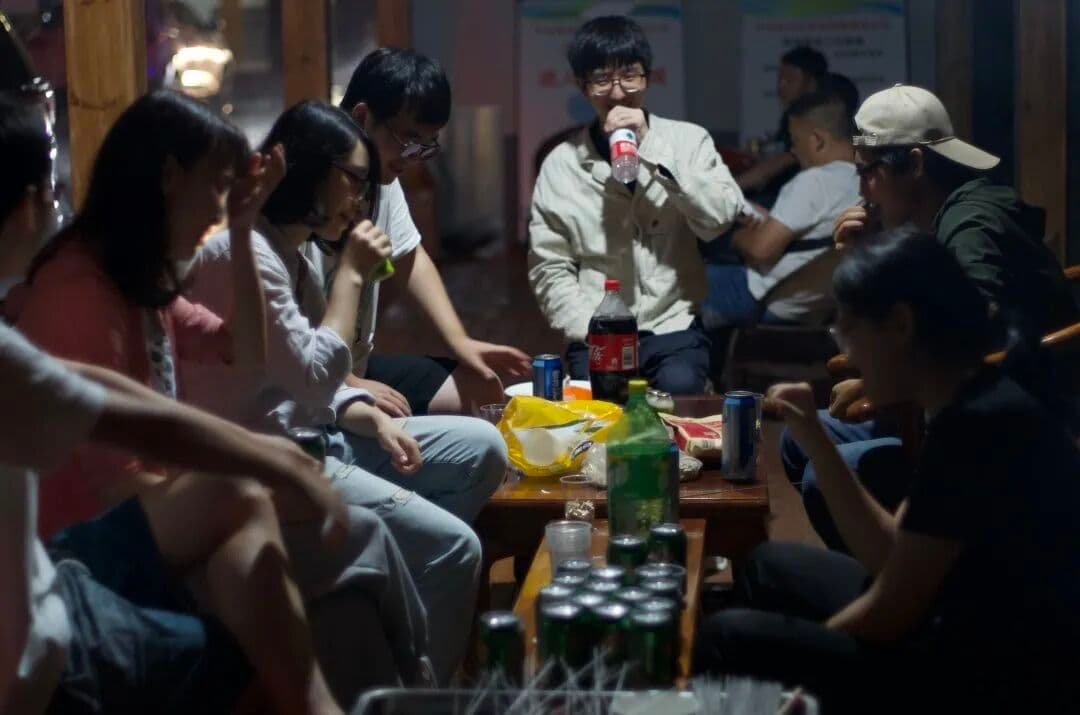
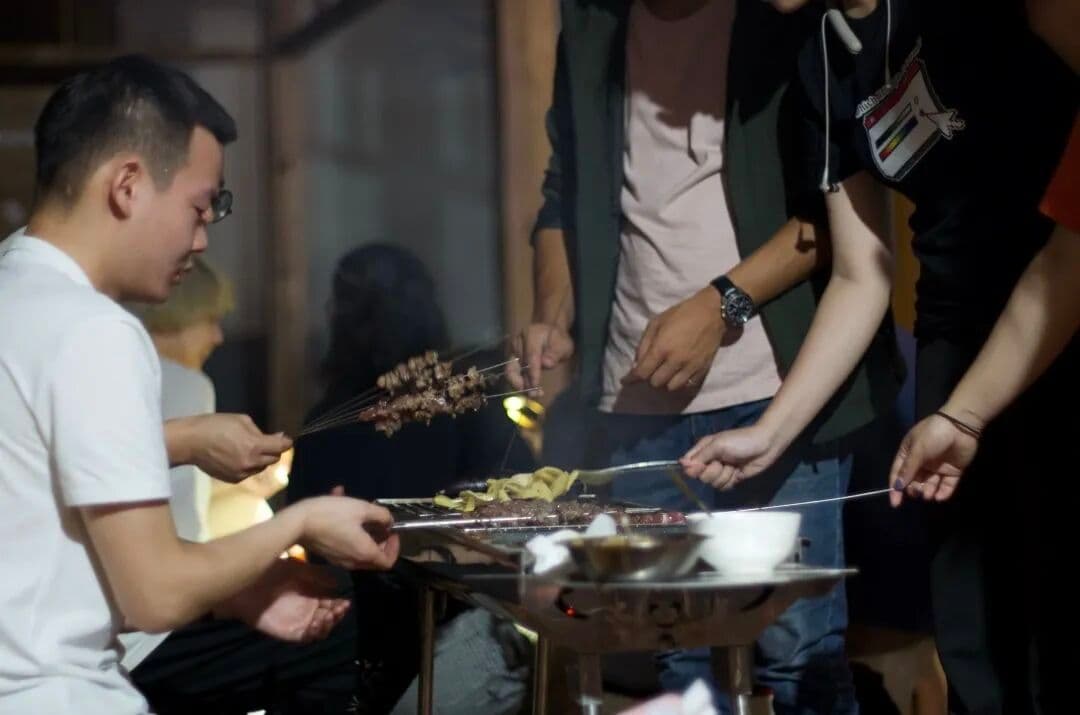
Each day at the camp was packed with lectures, workshops, and fieldwork, but what I found most rewarding were the endless conversations with mentors and fellow campers after class. We discussed Marx’s concept of alienated labor and Capital on the swings, debated feminism and our confusions about gender identity over meals, shared the nervous and awkward surprises of fieldwork on the bus, and in the middle of the night, swinging under the stars, bared our uncertainties and anxieties about the fleeting, sometimes meaningless nature of life.
In just one short week, profound and almost romantic connections formed among a group of like-minded, open-hearted people—a bond that has become incredibly precious to me.

Wang Yulei, Shandong University:
I’m a junior studying anthropology. In my experience, anthropology is a rather niche major—whenever I mention it, the next question is usually, “I’ve never heard of it—what do you study?” So when I first saw a summer camp specifically focused on anthropology and fieldwork on Weibo, I was initially surprised and then thrilled, as if I had found a community that truly belonged to me.
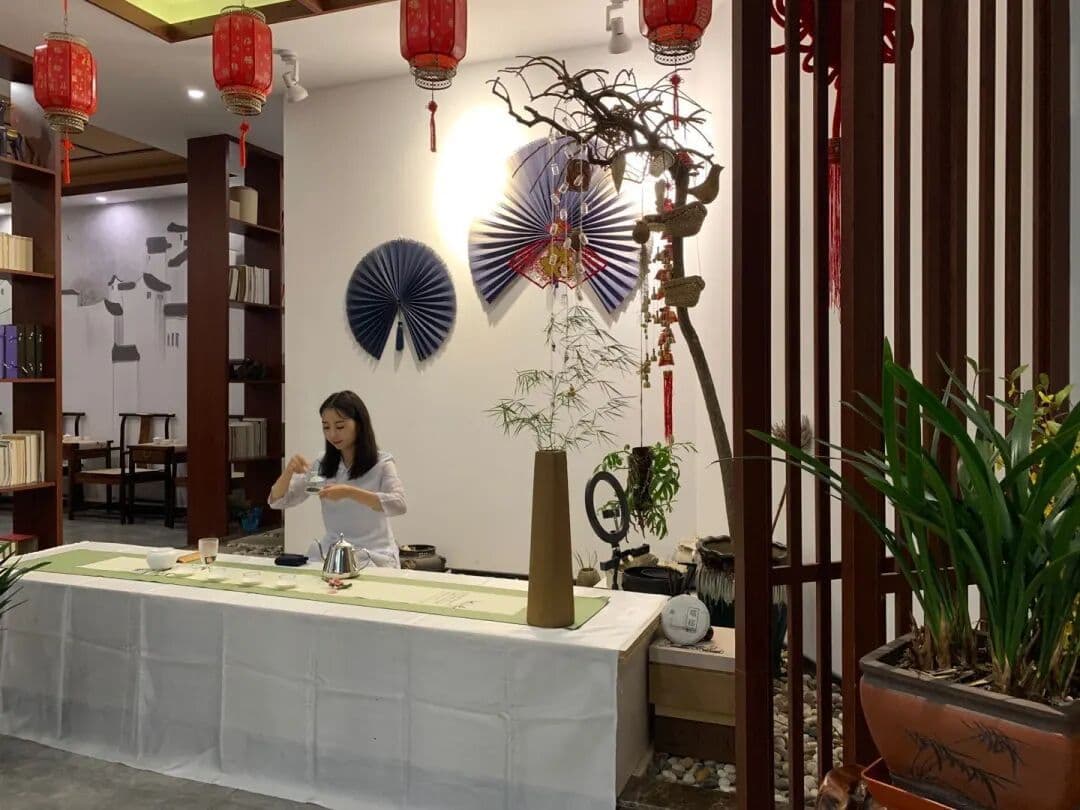
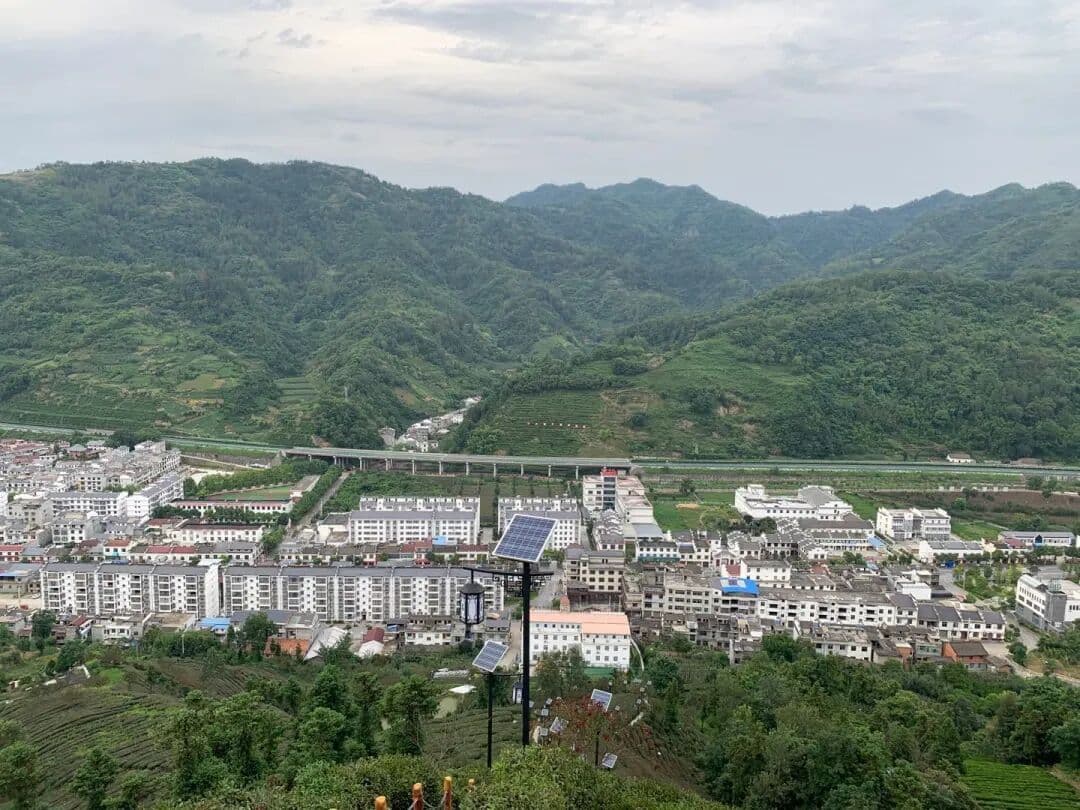
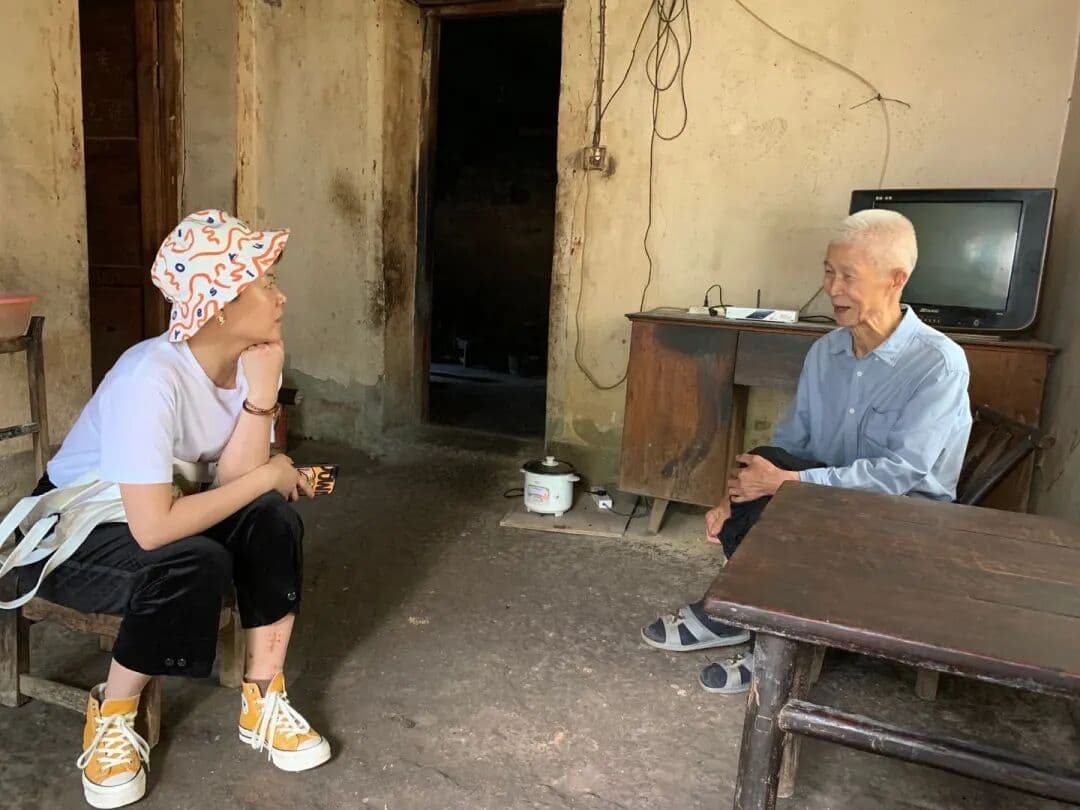
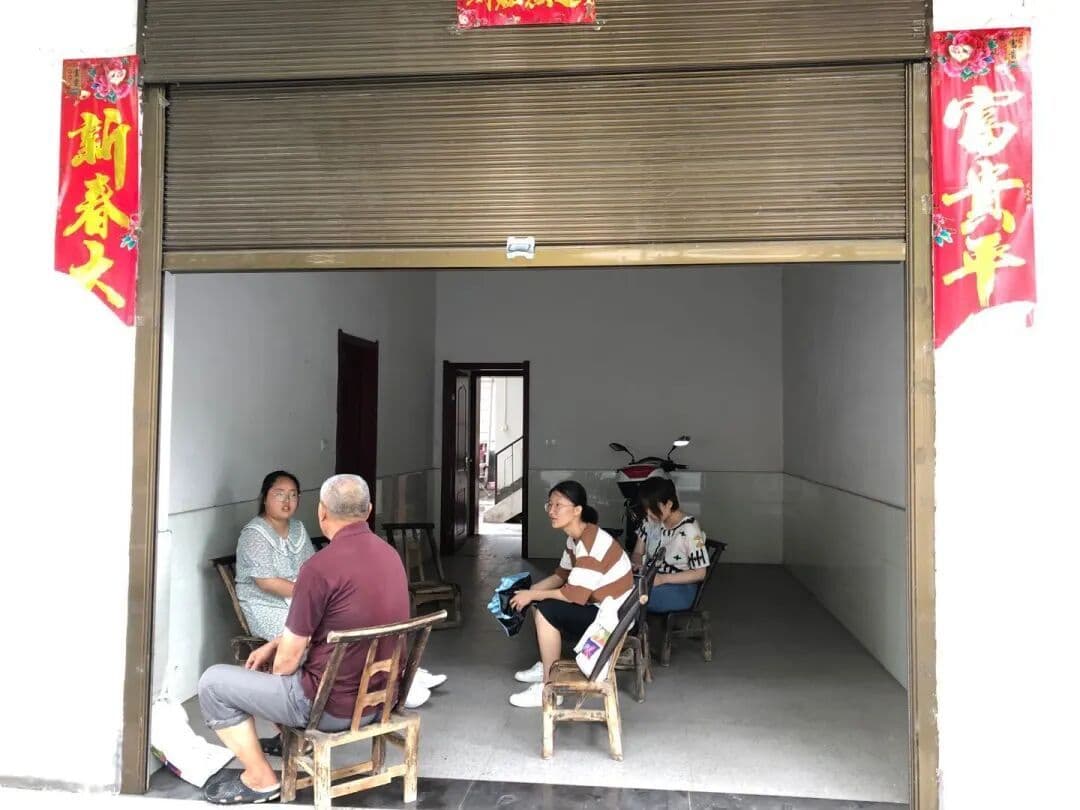
I remember arriving in the small town of Pingli on the first day. In the evening, we went for a walk to get familiar with our surroundings. The streets were almost empty, and the undulating roads and hills stretched out before us. At that moment, Pingli felt vast and quiet to me. Over the days, it kept changing—it became my field site, my classroom, and a place I would miss deeply once back in the city. This was where I first tried “entering the field.” I recall choosing a teahouse for an interview on that first day; a few of us circled the entrance several times before finally summoning the courage to go in and start talking. At night, we shared and discussed the materials we had collected, recording our field notes.
Interestingly, even though we went to the same places, everyone’s focus and impressions were different. Discussions often led to moments of realization: “Oh, you can look at it this way too!” I had often read in senior scholars’ books that fieldwork is a painful yet rewarding experience—but until now, it had been only imagination. In Pingli, though our stay was less than ten days, I truly felt the surprises of the unknown in the field. Even the inevitable awkwardness and setbacks became part of that excitement.
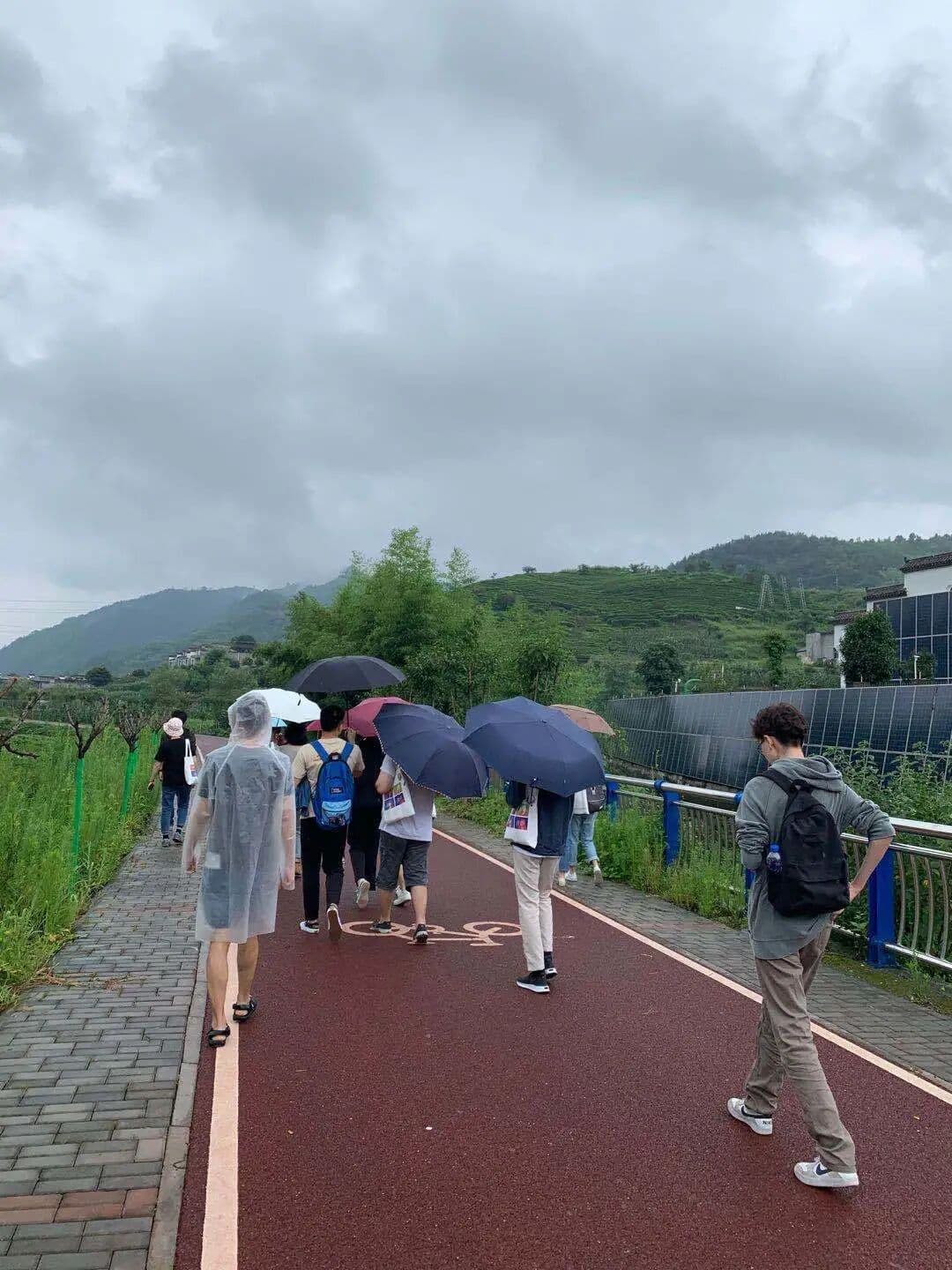
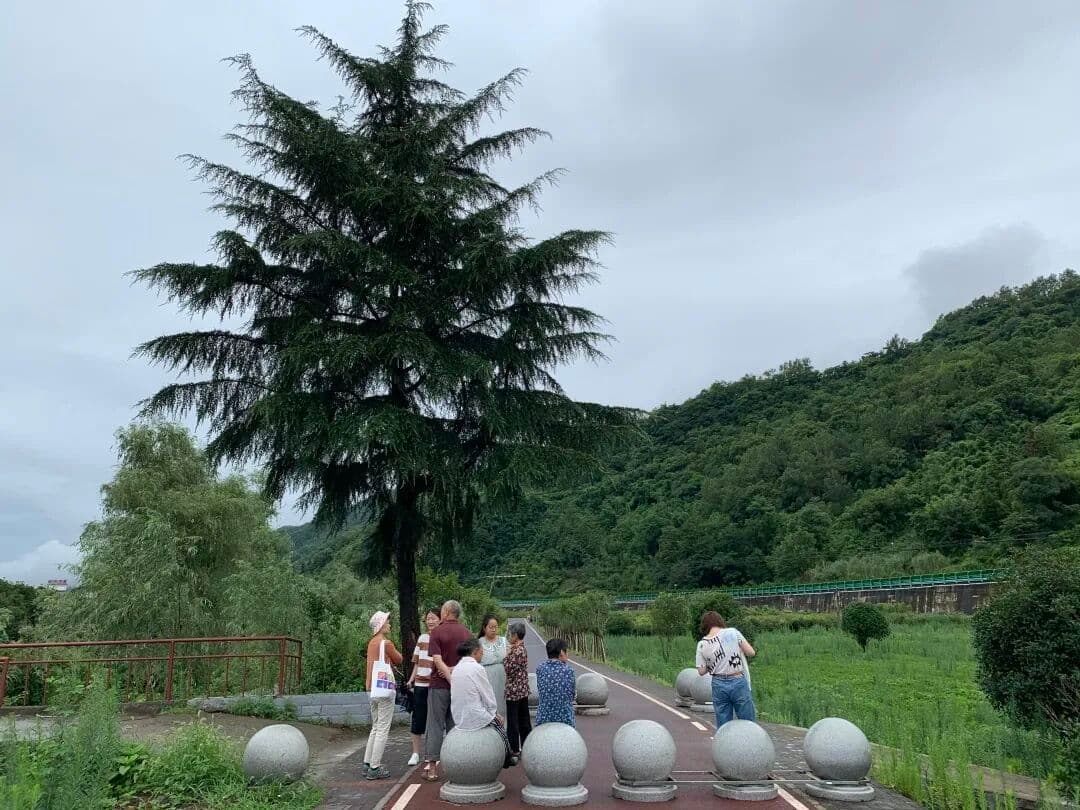
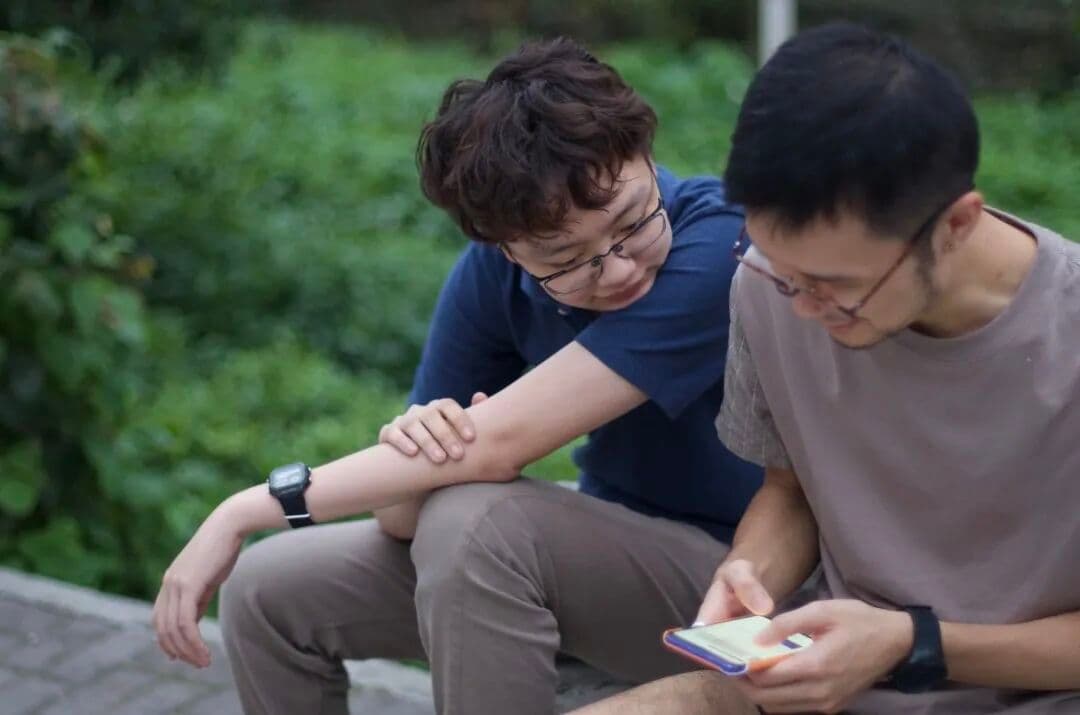
In the classroom, I explored anthropology’s wider possibilities: marginalized communities, the concept of “localness” and indigeneity, and applications of film and anthropology in big data. Each course gave me a richer understanding of the discipline. Anthropology’s scope is vast, and it is closely intertwined with a researcher’s personal experiences and traits. Every teacher felt like opening a new window, offering a glimpse into a different corner of the world. Our lessons often extended beyond the classroom—to meals, river paths, and swings. Conversation had no boundaries. I have to admit, it was on the swings that I first truly understood Marx’s concept of “alienation.”
I’ve always had a romantic idea of people who love anthropology, and at least this time, that fantasy wasn’t shattered. Everyone marveling at the sheer number of fascinating people we could meet, and the endless conversations we could have each day, was magical. I was constantly amazed by the ways my peers understood the world, reminded that every person is an “Other” worth listening to, and that there are really people who care about the world’s corners, feel troubled by them, and try to find answers. I was moved by such sincere curiosity.
Pingli, in my mind, remains as it was: rain is just rain, insects just insects. It wasn’t until returning to the city on the first day after the camp that I fully understood its charm. I don’t mean to romanticize pastoral life—but in this slow, quiet place, I could briefly let go of my usual worries, focus more on myself, absorb knowledge purely, and explore questions I had never considered before. During that week, I barely touched my phone, constantly talking with classmates and teachers. We built deep, almost revolutionary friendships. In less than ten days, parting felt unbearably hard. In Pingli, I met wonderful teachers and friends, sought answers to questions I was passionate about, and discovered many more questions I hope to explore in the future. On the day we left, a fellow camper said this place felt like a utopia—and I think she was right.

Cui Tianyun, Japanese Exchange Student:
My feelings are complicated, but if I had to sum it up in one sentence, I’d say it was “like a utopian journey in the post-COVID era.” Of course, utopia doesn’t exist in reality, and the present-day sense is clearly colored by the nostalgia of memory. The anxiety of not understanding villagers’ dialects in the field, nodding off in class, and gossiping or venting after lessons—none of these can be ignored.
But now it’s all behind me. Back in the city, I’ve faced new struggles and discomforts… and somehow, that feels like an unexpected gain. I also caught a subtle glimpse of the predicament anthropologists often face: being caught between “insider” and “outsider,” never fully belonging to either world.
Guo Tianming, Northwest Normal University:
This field camp was incredibly inspiring academically, deepening my understanding and appreciation of anthropology. Personally, my favorite courses were taught by Professors Zhang Shaozeng, Ran Guangpei, and Qiu Yue. Professor Zhang’s work on big-data ethnography, Professor Ran’s visual ethnography, and Professor Qiu’s unique insights on “sense of place” each opened a door to a new world of understanding for me. The fieldwork itself was also thoroughly engaging. In short, it was an absolutely amazing experience!
Huang Zhongju, Beijing Institute of Petrochemical Technology:
At the final group dinner of the camp, I told the teachers and my fellow campers that I was filled with gratitude for this week and for everyone I met. Back home, as I put pen to paper again, that same feeling immediately welled up inside me. I cherished the entire experience, because I lived it alongside a group of like-minded companions.
My interest in anthropology began almost by accident, when I was exploring college majors for the national entrance exam. I remember thinking, “Is there a discipline that studies humans?” and that led me to anthropology. Over the next four years, although I studied an entirely different major, my interest never waned—though I lacked friends nearby who shared the same passion. That week at the camp gave me the nearly opposite experience: all of us, coincidentally—or perhaps inevitably—drawn together by genuine interest.
I never imagined that I could spend each day so fully immersed in discussion: breakfast spent talking theory and experience, then off to the field, then more conversation at lunch, lectures, more fieldwork, dinner, even late-night chats before sleep. In that single week, I spoke more than I had in the previous six months. Yet this high-intensity lifestyle didn’t feel exhausting—it felt fully engaging, joyful, and fulfilling, even improving the speed at which I fell asleep.
Looking back, I feel deeply grateful to all the students and teachers. I never imagined I could approach a long-awaited discipline with such wholeheartedness, fully immersing myself in this field camp and opening a new door for myself. I also never imagined I could feel so close to “knowledge.” And by “knowledge,” I don’t mean what’s in books, what’s on exams, or quotes from some prominent scholar that you happen to memorize. I mean the kind of knowledge gained by placing yourself in real social activity, receiving information through all your senses, guided by experienced predecessors, enriched through discussion with peers, and honed by independent reflection—knowledge that you can apply and live by in the days to come.
This knowledge is fluid, forming shapes like water; it is solid, upright like a mountain; it is real, forged by your own hands, the sharpest tool suited to yourself. That was the thrill of learning and growth I experienced during this week. Encounters with sincere peers, approachable mentors, and people from all walks of life in the villages pushed me to think every day, to let go of the old and embrace the new, over and over. As Professor Zhang Shaozeng said in his lecture, “Go among the people and educate yourself.” In this summer camp, I gained so much.
The first half of this year brought unexpected stress and confusion, disrupting the orderly life I had planned. Though I graduated from university this year, I found myself stuck at home, navigating the ups and downs of preparing for study abroad. If I hadn’t been held in place, I might never have had the chance, the time, or the emotion to find and register for this program. Looking back, it truly feels like a blessing in disguise.
Senior student Wang Xiyan, who organized the camp, said she hoped to “occupy the high ground” with positivity and inspiration before young people fully enter society. I think she succeeded—and anthropology, as the medium for this, radiated boundless energy. I feel incredibly lucky and grateful to have participated in this camp, and I sincerely hope to maintain close and genuine connections with the teachers and like-minded friends I met in these seven days. I also hope that more “future anthropologists” will have the chance to see, hear, and experience field camps like this one.
Xing Heyi, International Programs Center, Beijing Foreign Studies University:
The camp provided an incredibly harmonious environment. Students and mentors alike could speak freely and engage in open discussion, and the relationships were extremely warm—everyone genuinely made an effort to understand one another. There were so many beautiful moments that words could not capture, because no language can fully convey the power and kindness they contained.
Yang Xiaoyang, Shenzhen International Exchange College:
This summer camp gave me so many firsts. My first time stepping beyond the rigid theories of textbooks to see a much larger world; my first time exploring fields I had barely heard of, like religious studies and visual anthropology; my first time meeting so many approachable instructors—different from the teachers at school—who talked with us anywhere and everywhere, from dining tables to swings, about everything from astronomy to geography. It was also my first time staying up all night talking with like-minded friends about life, ideals, and the directions our futures might take. I will never forget that summer and the endless sparks of thought it brought.
Xu Tianliang, Suzhou High School:
The gains were great, the regrets not small. Let me start with the regrets. On the 26th, Teacher Xiong said, “Don’t leave anything behind except memories.” When the words came, I realized it had already ended. The day before, the 25th, I was exhausted during the day and too excited at night—perhaps my body was reacting to the approaching farewell. In just seven days, I wrote a lot and felt like I had learned so much; yet back in Suzhou, sitting in front of my screen late at night with bloodshot eyes, it almost felt like I had learned nothing.
A few days ago, walking the streets, I noticed the old buildings and markets in the alleys—another “field” revealed itself—and suddenly I remembered the field camp I had attended. Far to the west, there was my first field site, with unfinished surveys, unrefined knowledge, and friends I hadn’t truly gotten to know. In that moment, I felt regret.
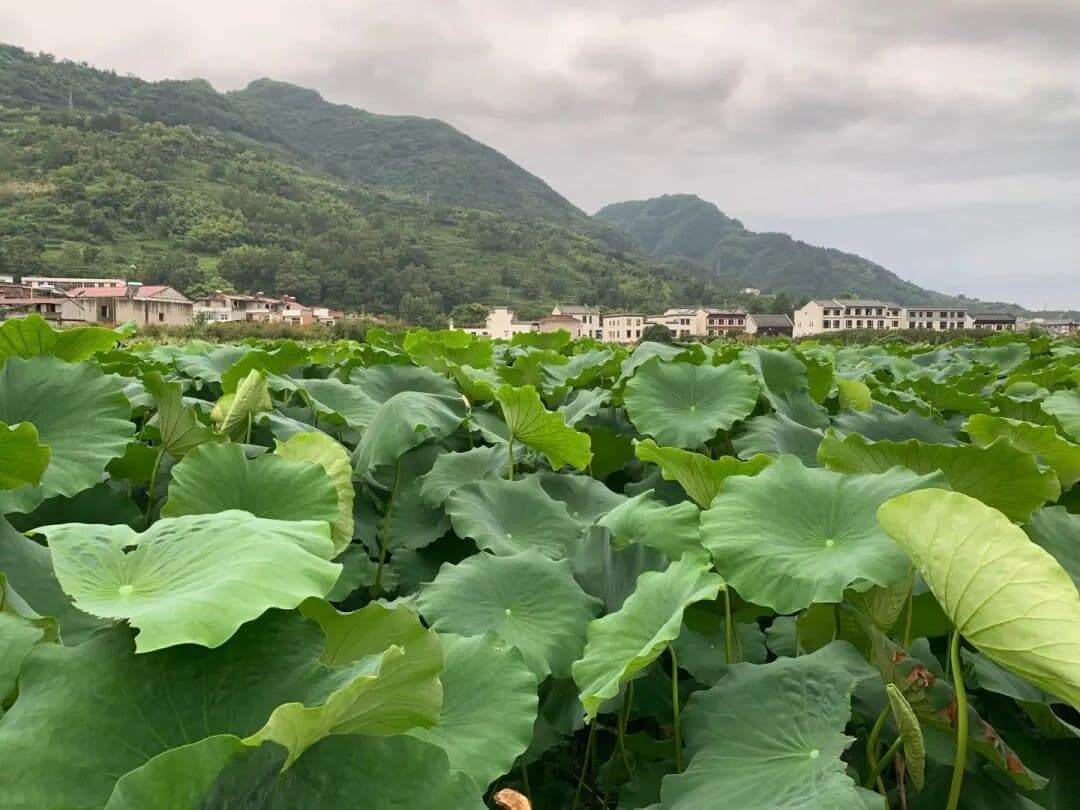
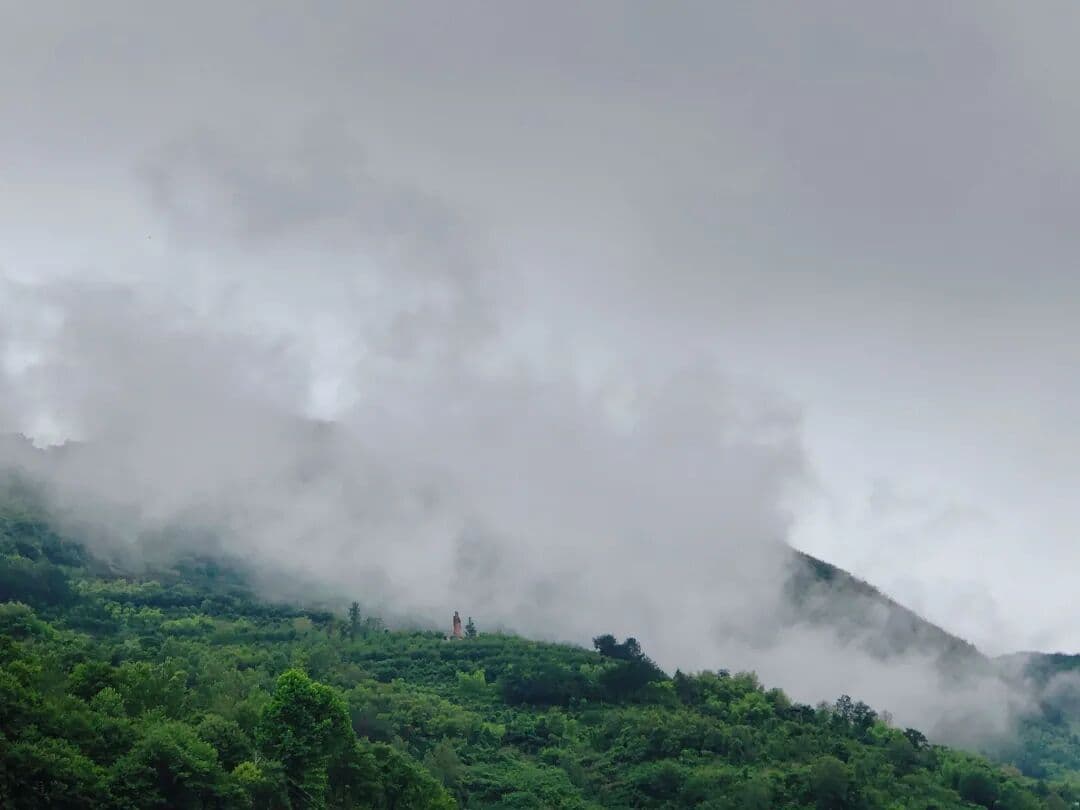
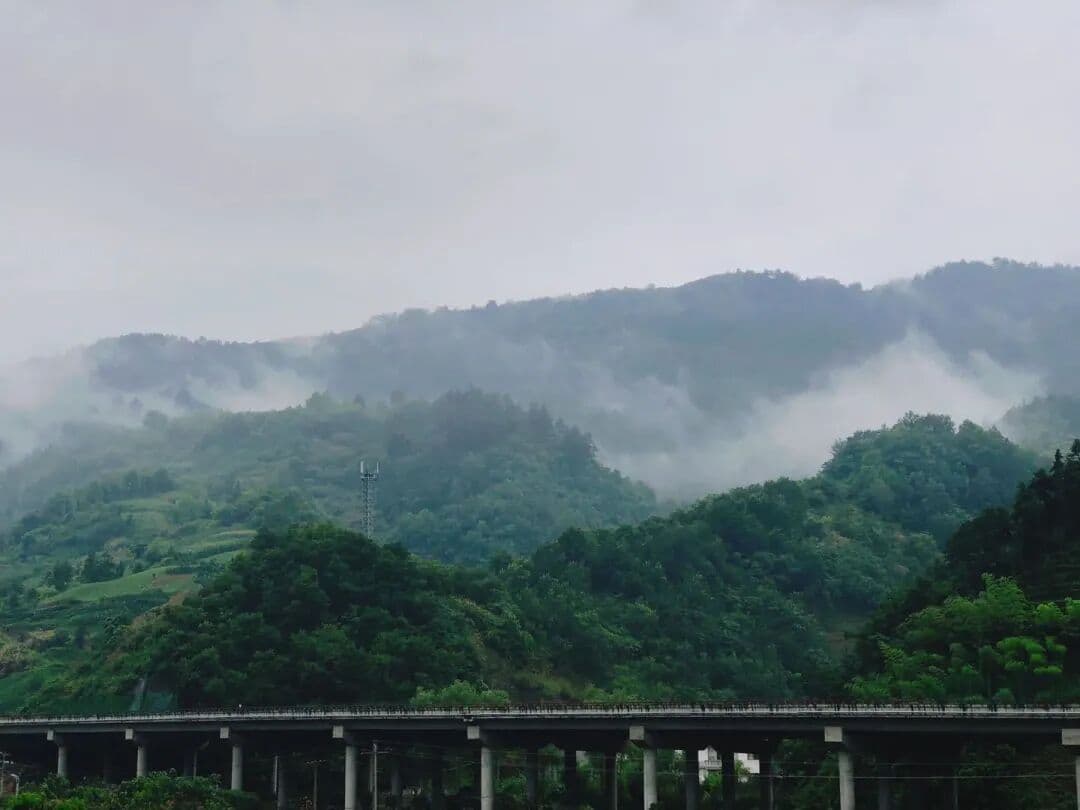
And yet, the gains are undeniable. In my otherwise ordinary summer, I met all of you—so extraordinary. I even dream that one day I could walk alongside you in the field, or sit together at a seminar. In that ordinary summer, I went to a mountain village of uncanny beauty—the mist, the land, the houses, and the people all felt extraordinary. I poured out my curiosity and sought knowledge; they gave me a little, sparking an even greater circle of wonder.
In this ordinary summer, an ordinary me took steps—joining the camp, attending academic courses, engaging in discussions, asking questions. In that brief moment, I felt anything but ordinary. I listened to the extraordinary stories of people—from the humble villagers to the learned teachers—about the struggles of farmers and entrepreneurs seeking prosperity, original cultures, environmental protection, folk beliefs, family structures, urban-rural agriculture, big data, and interpretations of previous masters’ works. I encountered so much, heard so much, and recorded so many extraordinary people and events. In this ordinary summer, my heart too began to bloom.
Zhao Wanting, Ankang High School:
I was really happy to participate in this summer camp, but to be honest, I had never been exposed to anthropology before. The first class was challenging—I found it dry and even thought about leaving. But the field discussion that evening changed my mind; I wanted to stay. I began to realize that anthropology could be truly interesting, and what followed confirmed it: we started doing fieldwork.
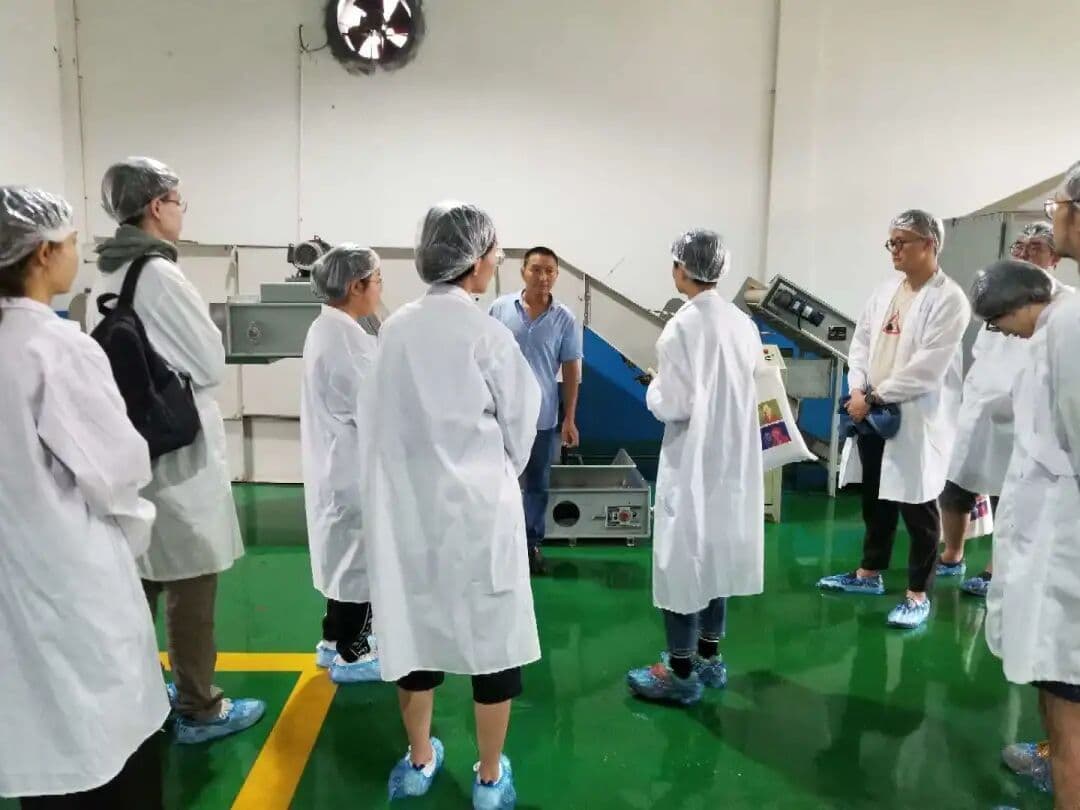
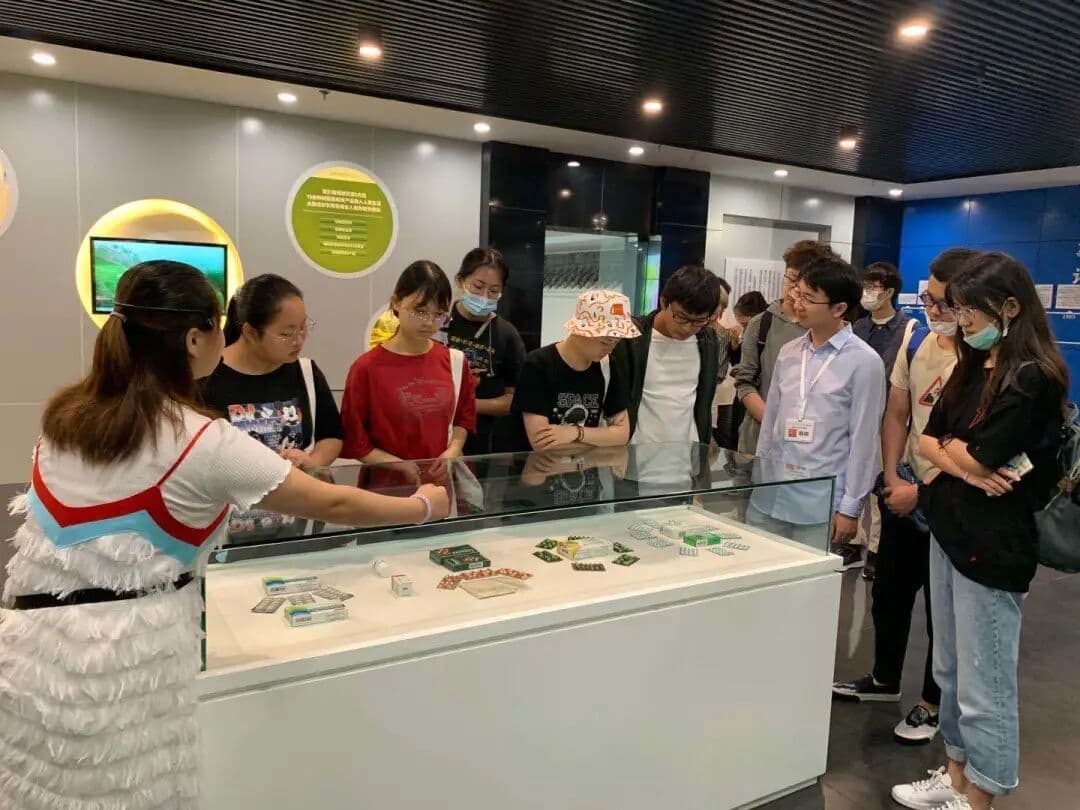
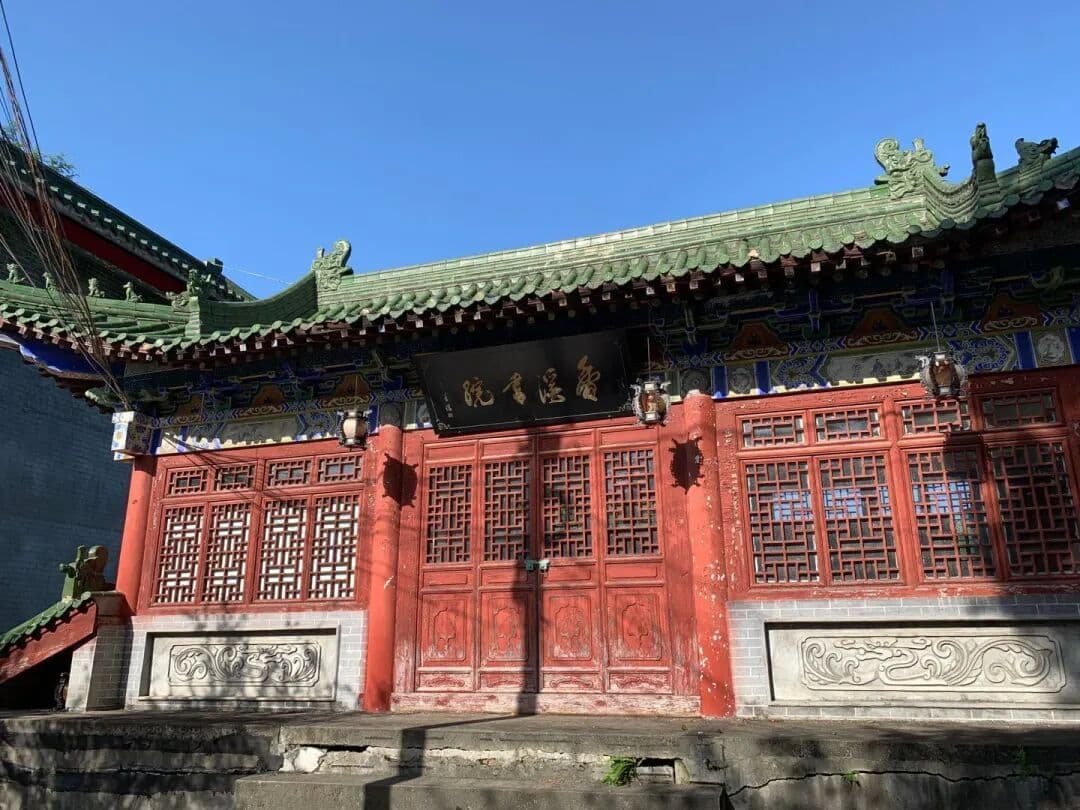
This camp introduced me to many outstanding instructors and fellow students. They taught me how to communicate with strangers, how to conduct field research, and how to use anthropological methods to approach problems. Over the next few days, we interacted with various people and visited places like the Shengcao Garden Jiaogulan Industrial Park, villagers’ homes in Chang’an Town, tea plantations, and the Pingli Guoxue Museum. As we traveled further through Pingli, I gained a deeper understanding of my hometown.
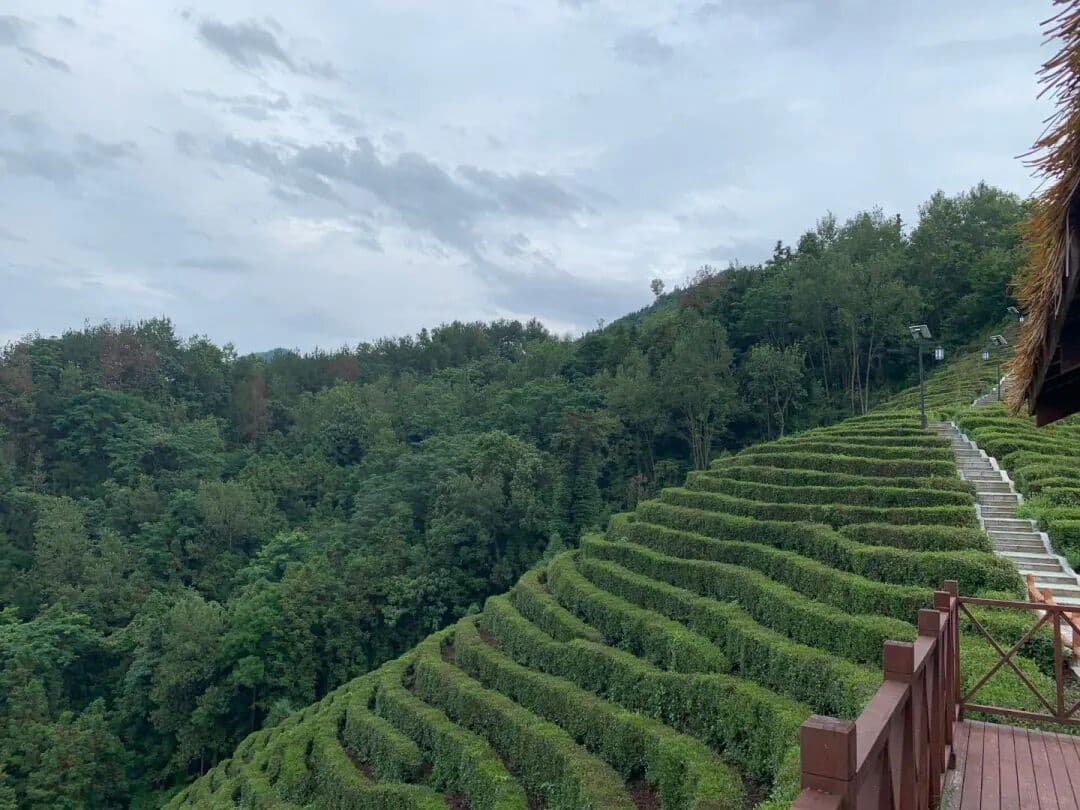
I learned about another side of Pingli: its tea plantation economy relies heavily on government support, and the extensive plantations have transformed both the landscape and the lives of local people. Tea farming increases income, but it is still not enough to sustain a family, which is why many young people choose to work elsewhere.
The only regret I have is that, due to submitting college applications, I couldn’t participate in the last three days of activities. I had planned to say goodbye to everyone on the evening of the 25th, but in the end, I couldn’t make it. Overall, this was a joyful and meaningful summer camp, and I look forward to the next time we meet.
Wang Yaoyang, Shaanxi Normal University Preschool College:
Originally, this summer camp was supposed to last eight days, but due to some minor issues, I could only stay for four. Still, those four days were full, joyful, and rewarding. I gained a lot, broadened my horizons, challenged myself, and enriched my understanding. Through interacting with so many seniors and mentors, I gained a clearer sense of my own life goals.
We shouldn’t always be limited by or satisfied with the status quo; we should take advantage of our free time to explore the colorful world beyond, cultivate our minds, broaden our perspectives, and become better versions of ourselves. This camp introduced me to previously unknown knowledge and allowed me to experience so many firsts: my first 5D movie, my first ride on a ride-hailing bus, my first truly meaningful summer camp, and my first ethnographic film—an experience surprisingly similar to a documentary and a key method in field research. I also met many exceptional instructors and senior students: the warm and considerate Mentor Xiyan, the graceful and inspiring Senior Yulei, the humorous and witty Mentor Zhiying… and learned so much from each of them.
The camp was called the “Future Anthropologists Summer Field Camp.” Before attending, I knew very little about anthropology and had many questions: What exactly is anthropology? Why is it called a field camp? Through conversations with the teachers, these questions were answered. Anthropology is the study of human nature; it studies humans directly from biological and cultural perspectives. “Field” also refers to “place”—the basic methodological foundation of anthropology—meaning that we study humans through direct observation and recording in real-world settings. While conducting fieldwork, we are encouraged to participate actively and integrate with local communities, while also observing broader patterns from small details.
One case left a deep impression on me, presented by Professor Wang Peng: exploring the food sources in Beijing’s markets, which eventually led to insights about the COVID outbreak at Xinfadi. This example perfectly illustrates the principle that “independent thinking comes from field research.” Through this camp, both the fieldwork and roundtable discussions gave me a deeper understanding of my hometown. I moved from appreciating only its visible scenery to experiencing its rich local culture and the warmth of its people, deepening my love for Pingli.
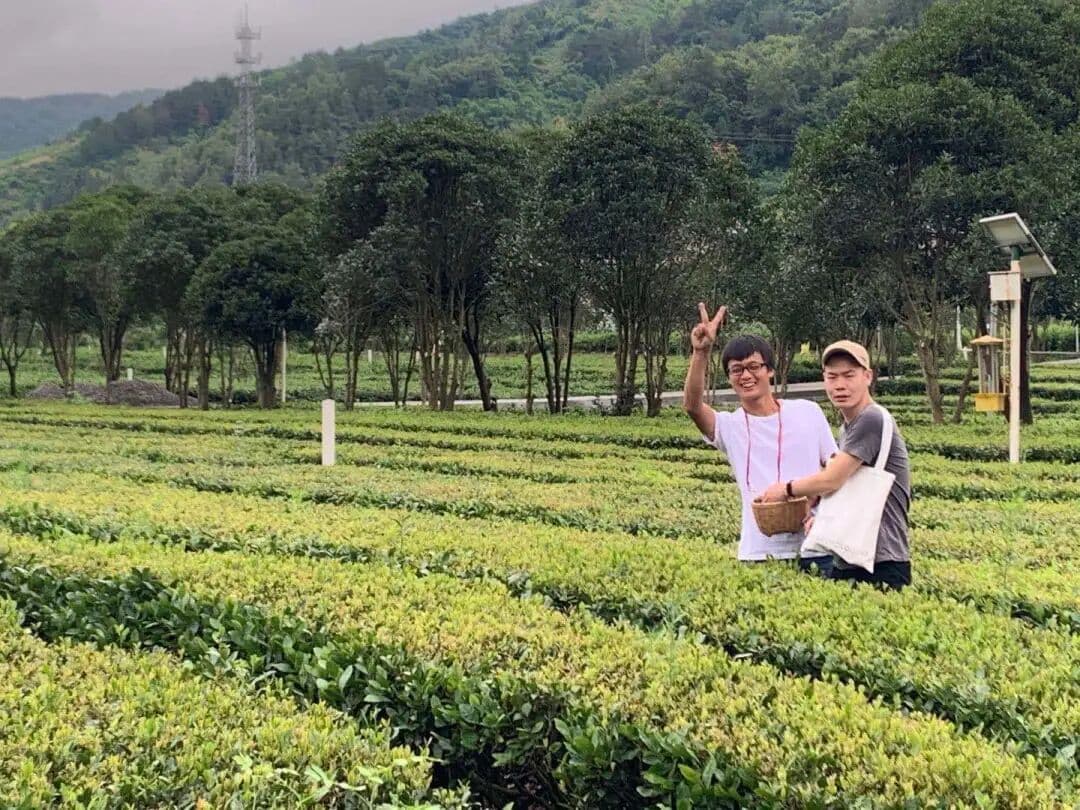
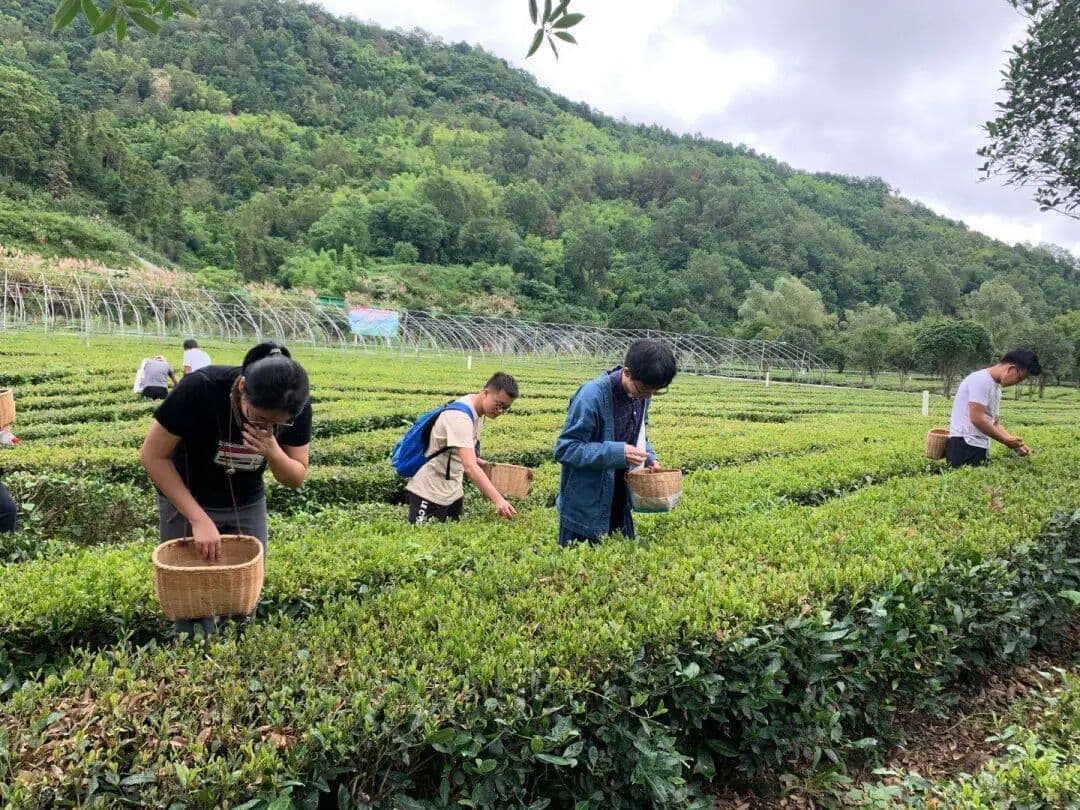
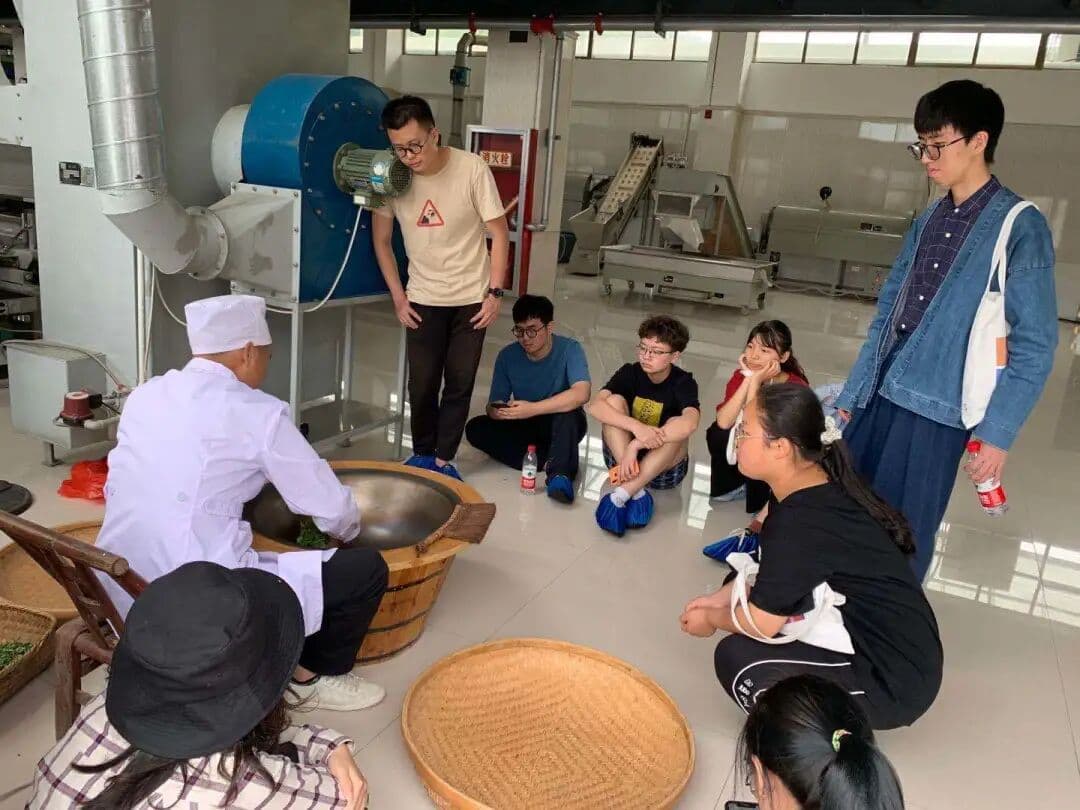
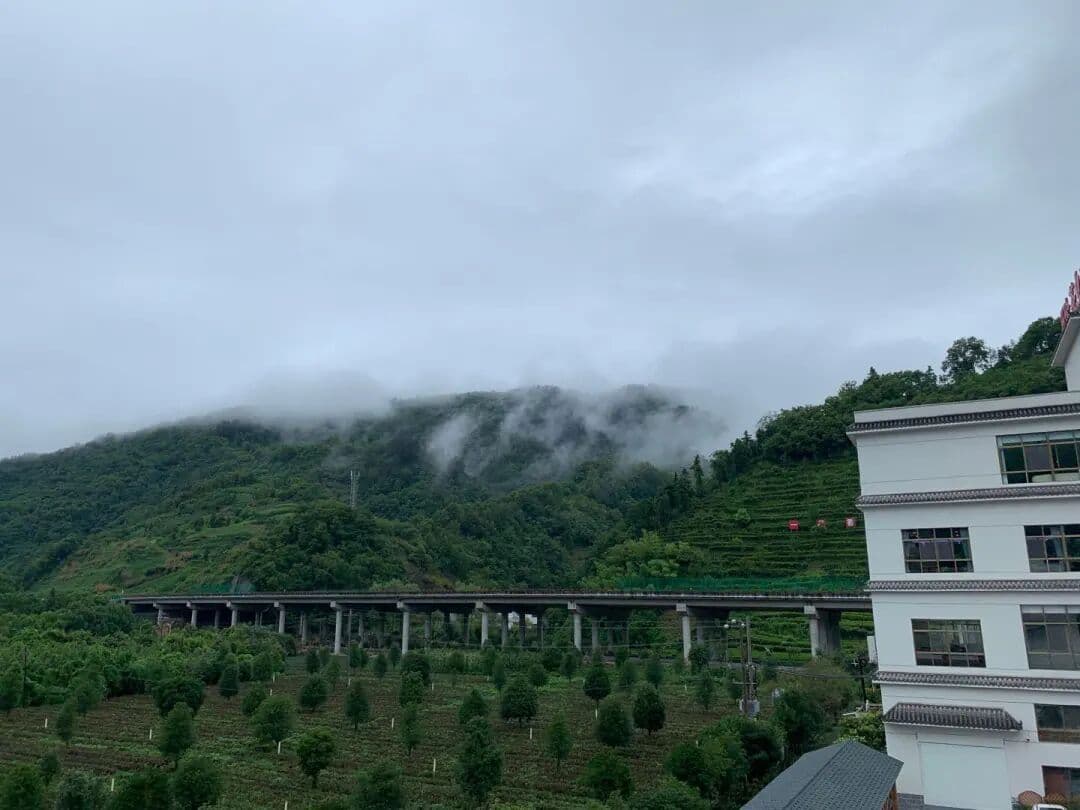
Pingli is a place full of tea aromas; tea trees cover the hillsides. The most lively tea-related experience was at Tianzhen Tea Mountain: in the morning, we sang cheerful mountain songs, carried tea baskets, and picked one bud and three leaves (or two leaves) from the tea trees. In the afternoon, we visited the Pingli Agricultural Museum and the Guoxue Tea House, learning about the county’s agricultural history and once again marveling at the deep, rich local traditions.
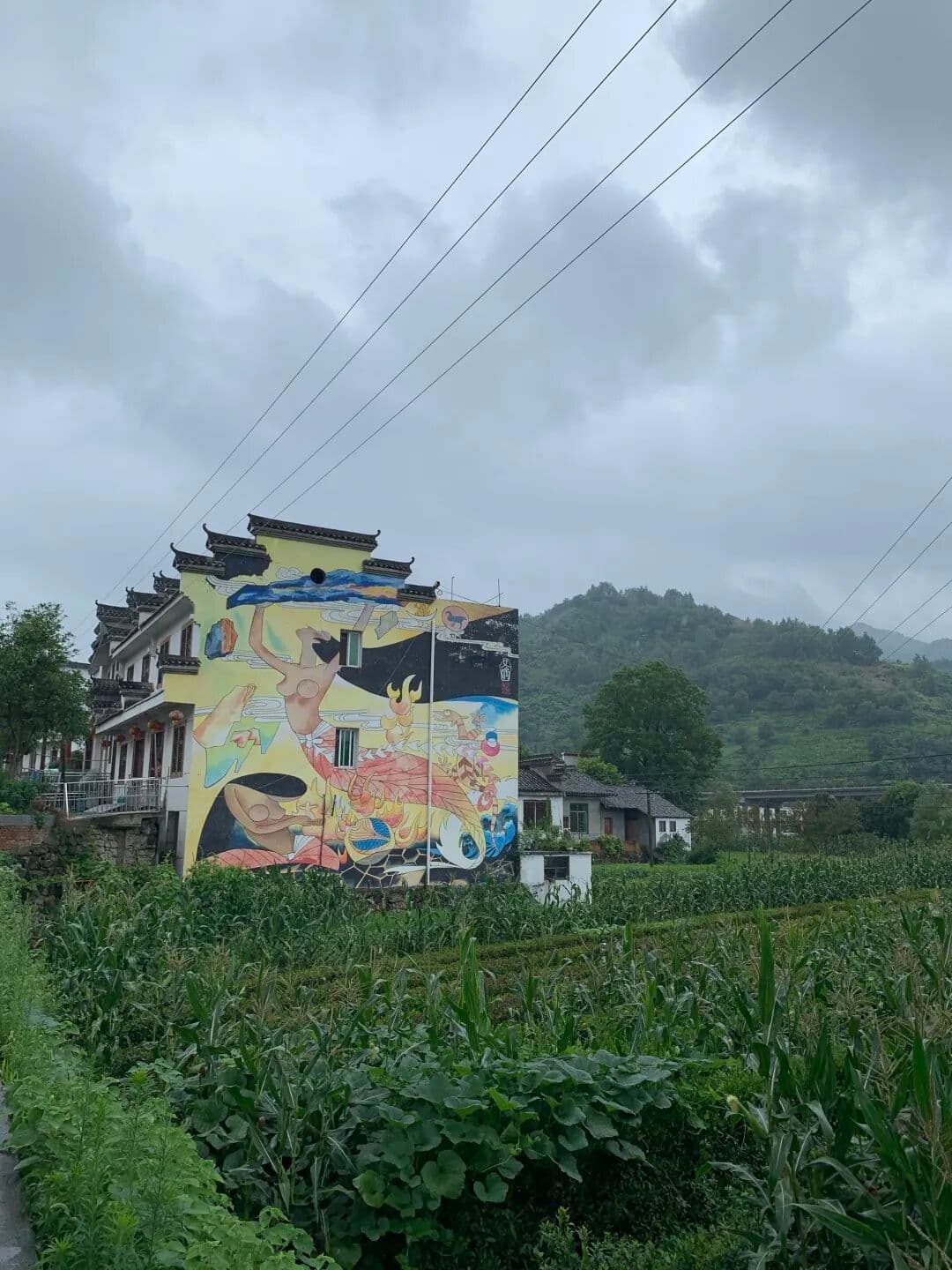
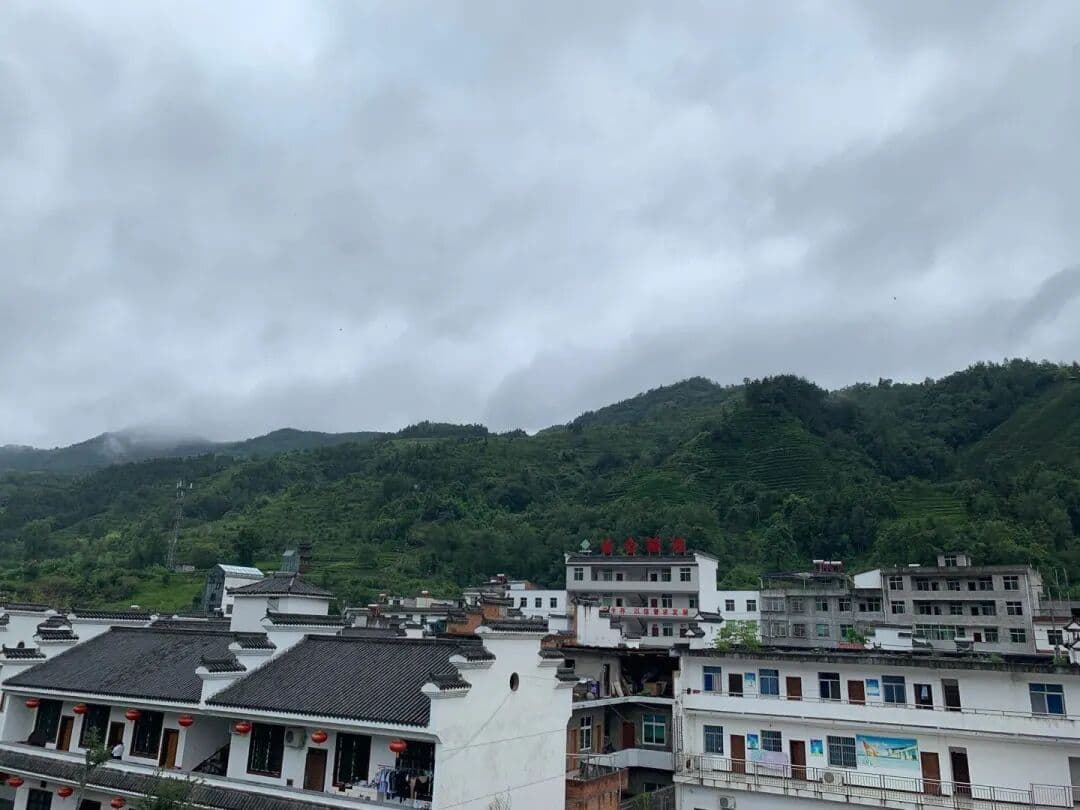
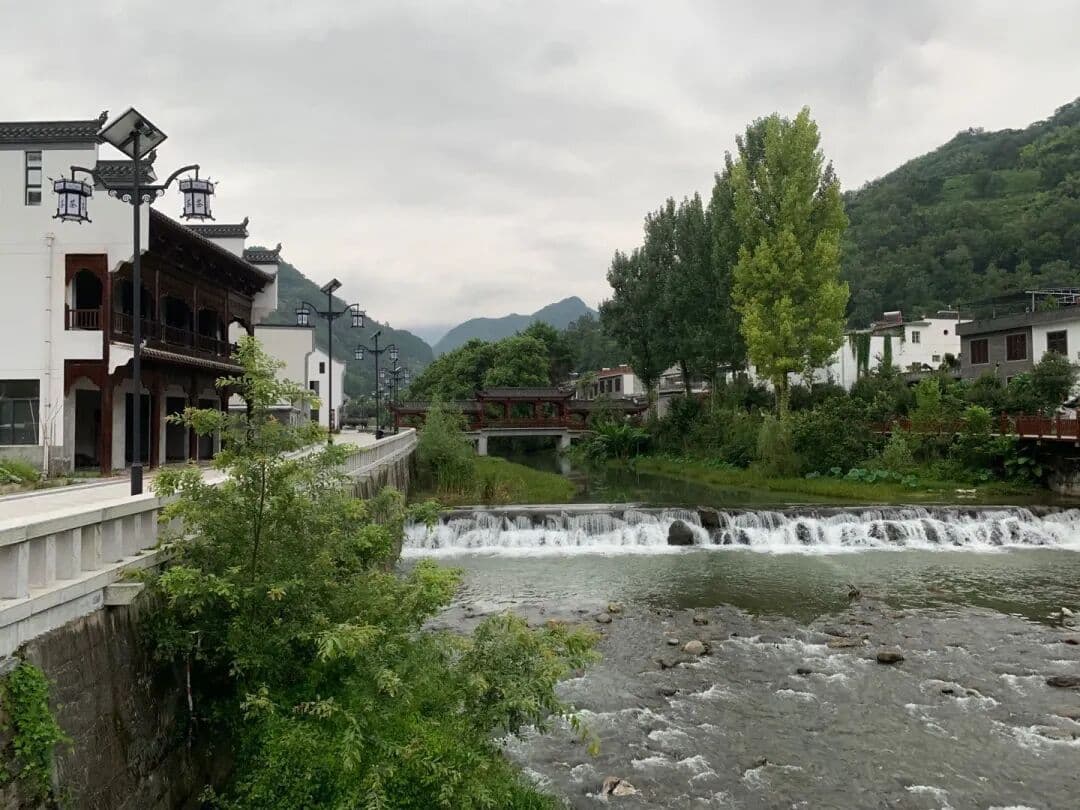
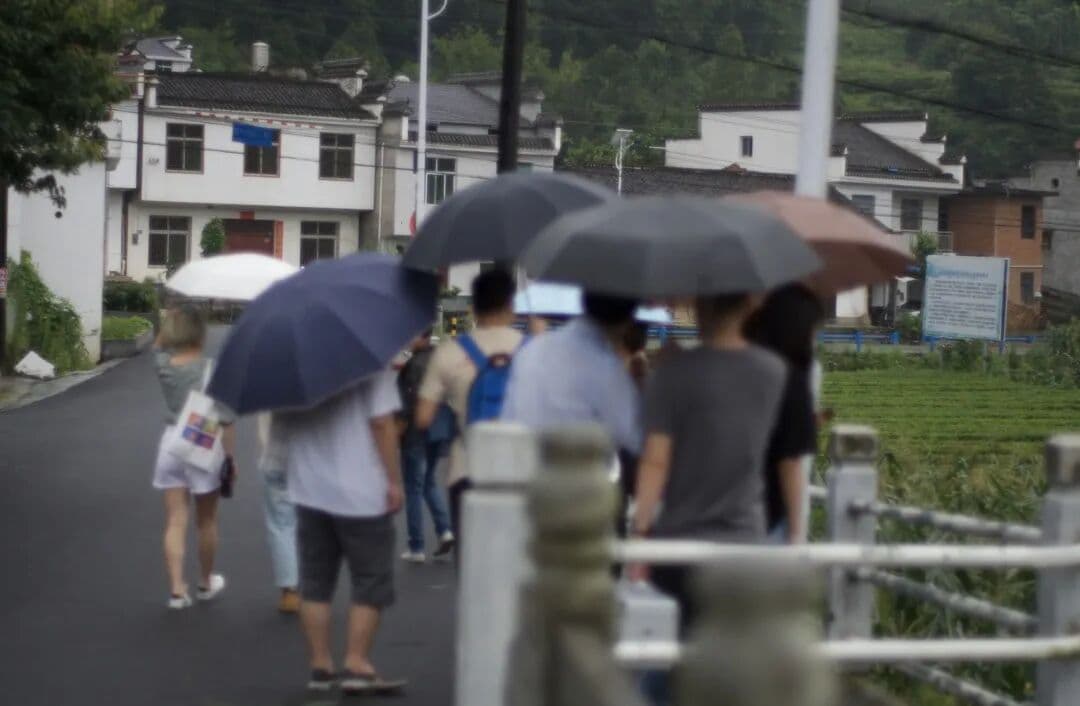
Our lodging at Tianzhen Tea Industry in Chang’an Town was surrounded by the winding Qingqingshui River. Newly built village houses in Anhui-style architecture—white walls, black tiles—looked enchanting in the sunlight. Walking along a wide, straight farm road, the clean streets made it feel as though I had been transported to Jiangnan.
This camp left me with a profound feeling: I need to keep striving, to keep learning, so that in the days ahead I can achieve more and discover new sides of myself. Like a flower, we cannot choose where to grow, but we can choose to grow beautifully. Hold tight to the present, act with intention, and look forward to the future. Time flies, seasons pass, we bid farewell and set sail—and in this splendid season, I hope we meet again.
Mentors’ Reflections
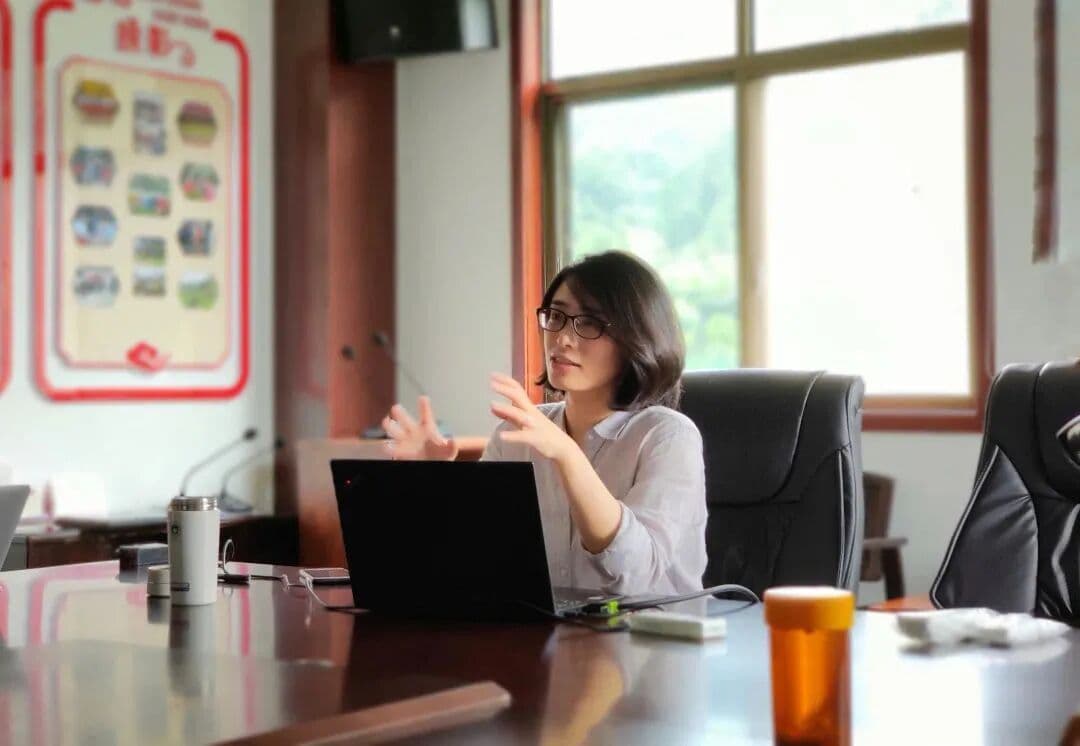
Qiu Yue, Full-time Researcher, Institute of Anthropology, Nanjing University:
My experience with the Future Anthropologists program was full of surprises. The young participants are thoughtful, insightful, and relentlessly curious about knowledge, yet they are also willing to go deep into rural areas to understand society. Even in the short span of the summer camp, their analyses of reality, discussions of theory, and reflections on life were constantly expanding and deepening. Spending time with them, I could really feel the energy, passion, and creativity of youth. It was a joyful and unforgettable experience.
Ran Guangpei, Full-time Researcher, Institute of Anthropology, Nanjing University:
I was deeply moved by the campers’ dedication to learning and their earnest pursuit of truth. Spending a week with them, I not only felt energized by the vibrancy of contemporary youth, but also glimpsed the limitless potential that lies ahead for the field of anthropology.
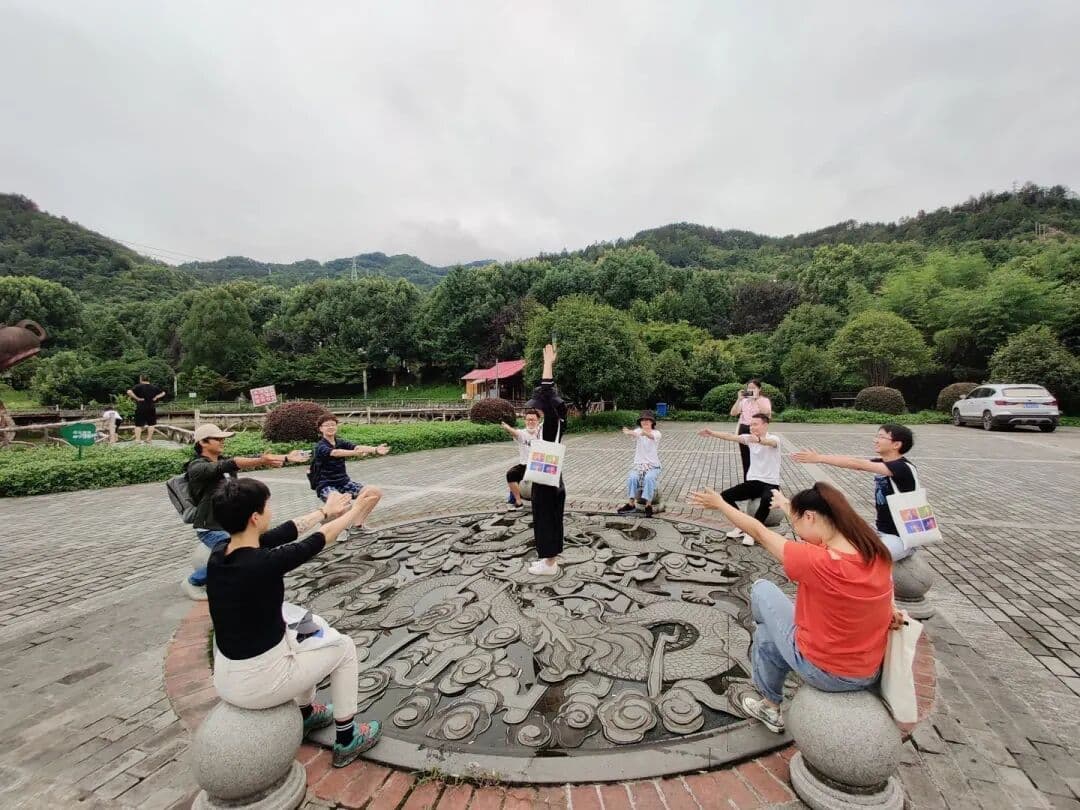

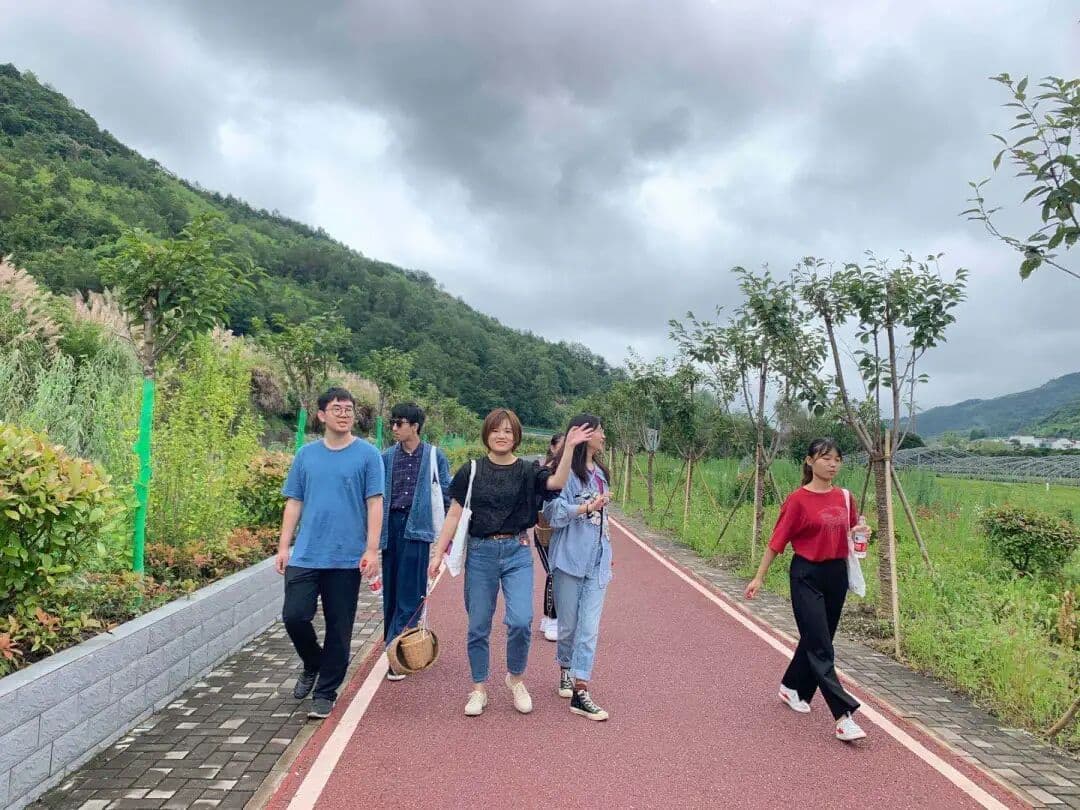
Cui Zhongzhou, Associate Professor, Latin American Studies Center, Southwest University of Science and Technology: I had many expectations for the summer camp organized so diligently by Wang Xiyan, and the one I anticipated most was meeting the campers. During the camp, I learned that participants ranged from high school students to undergraduates, recent graduates with nearly a decade of work experience, and even students studying in Japan and the U.S., all from diverse academic backgrounds. This diversity undoubtedly contributed to the success of the camp.
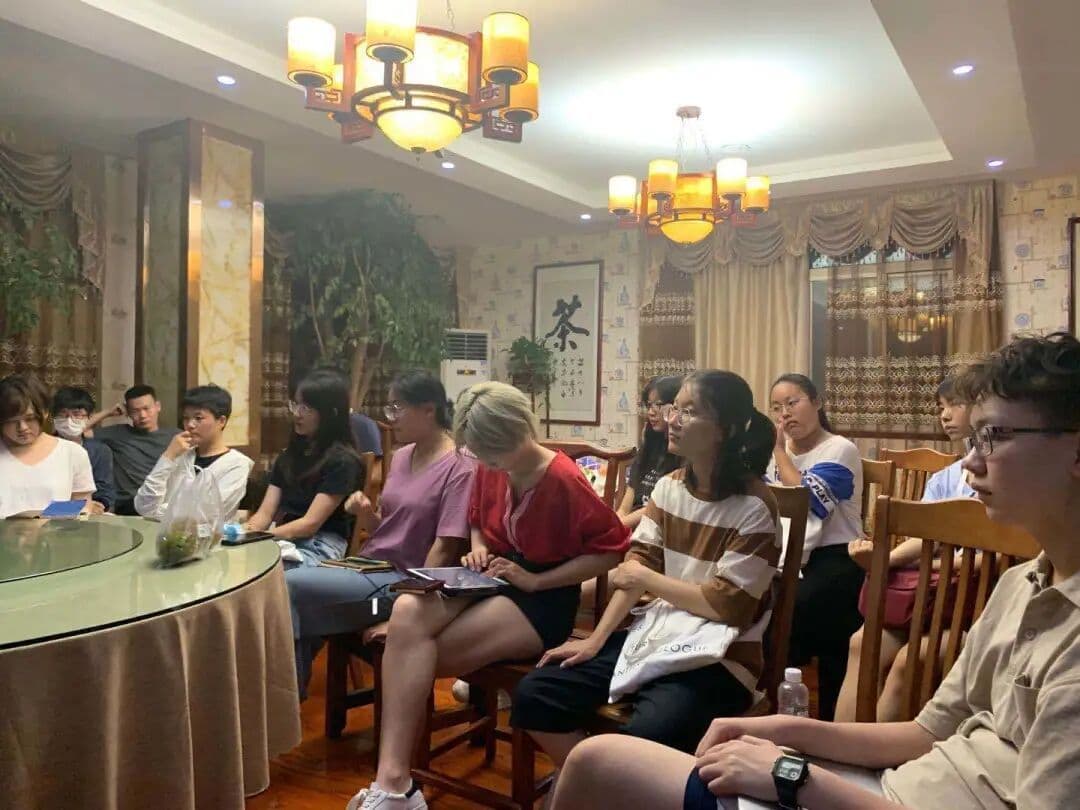
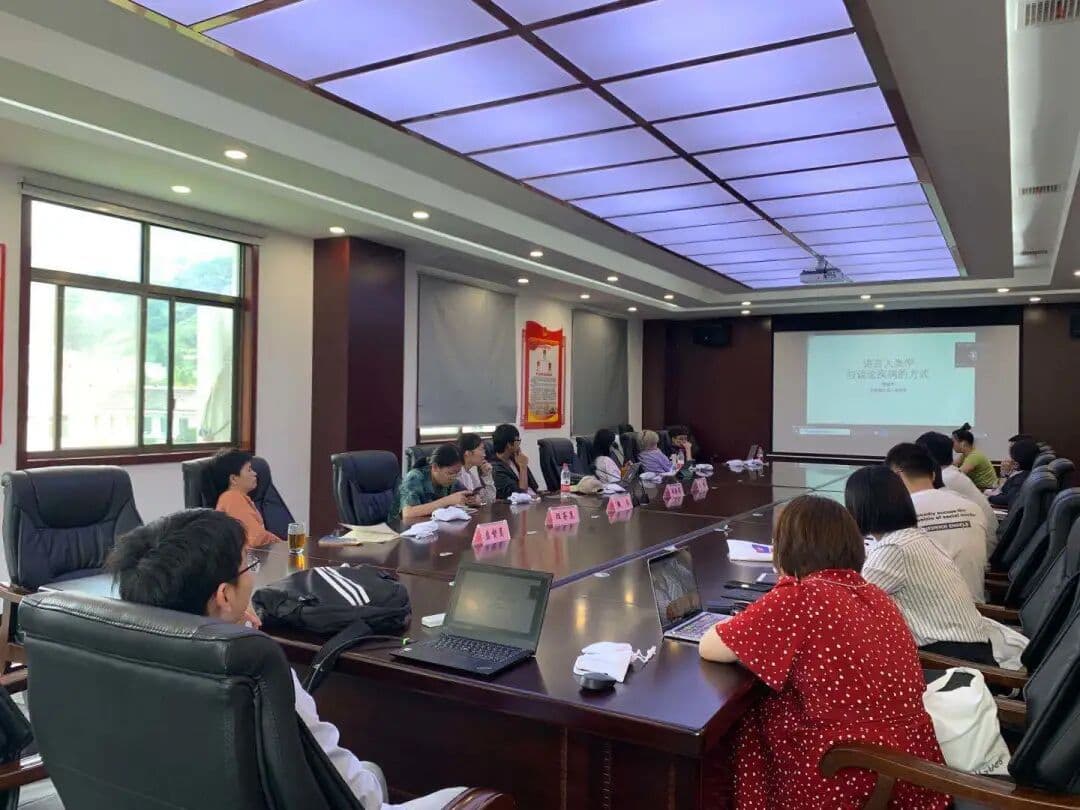
In education, peer groups often have a greater impact on learners than instructors do; learning through mutual exchange is the most effective demonstration. This, I believe, is what made this anthropology summer camp—conducted under the name of “fieldwork”—so valuable. As one of the instructors leading the first session, I had extensive exchanges with the campers. Their questions, whether factual or conceptual, were impressive in both quantity and quality. The camp’s setup, where many instructors were present alongside the campers, also offered students multiple perspectives to think from. During the first evening discussion, several instructors shared their own insights on what “the field” means, providing meaningful guidance for the campers’ upcoming fieldwork.
Unfortunately, due to personal reasons, I could not attend the entire camp, which I deeply regret. Still, I am confident that through this kind of “participatory” learning, the campers gained a deeper understanding of anthropology and will come to appreciate the discipline’s approach to understanding the world and producing knowledge.
Tian Xiong, Lecturer, School of Philosophy and Public Administration, Shaanxi Normal University: Crossing regions and generations, we came together deep in the Qinling Mountains. We measured the land with our feet and experienced the local culture with our hearts. The harvest was abundant, and I believe in the promise of the future.
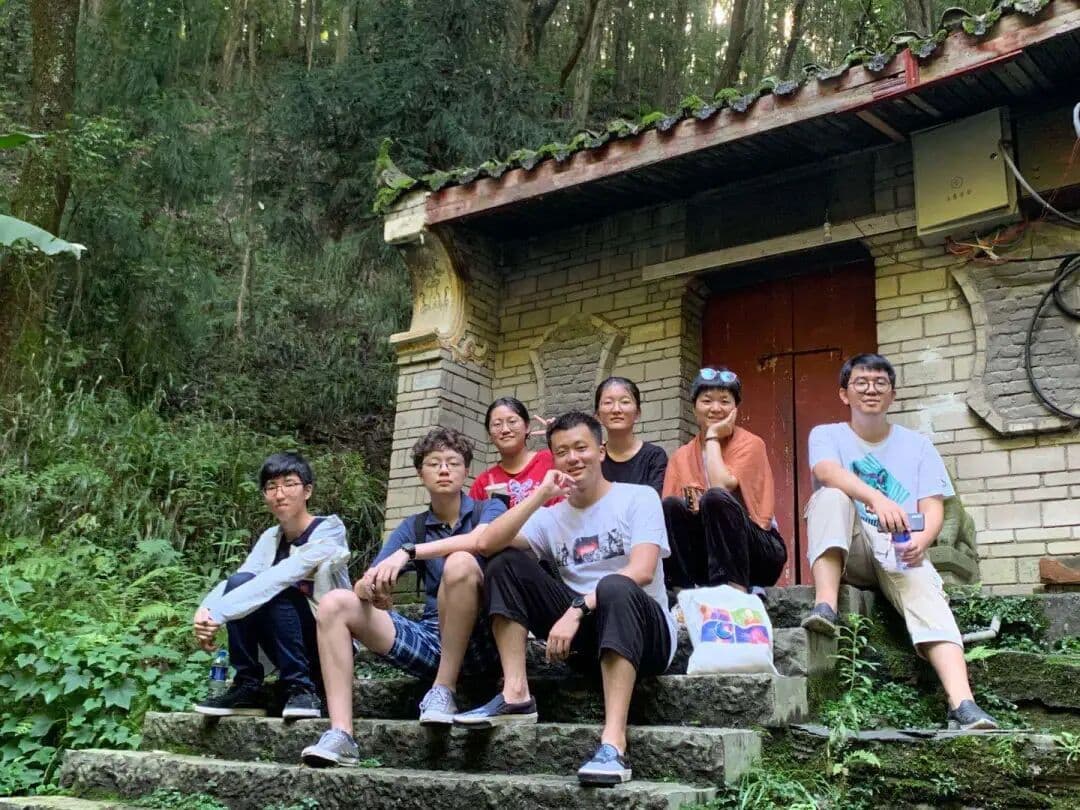
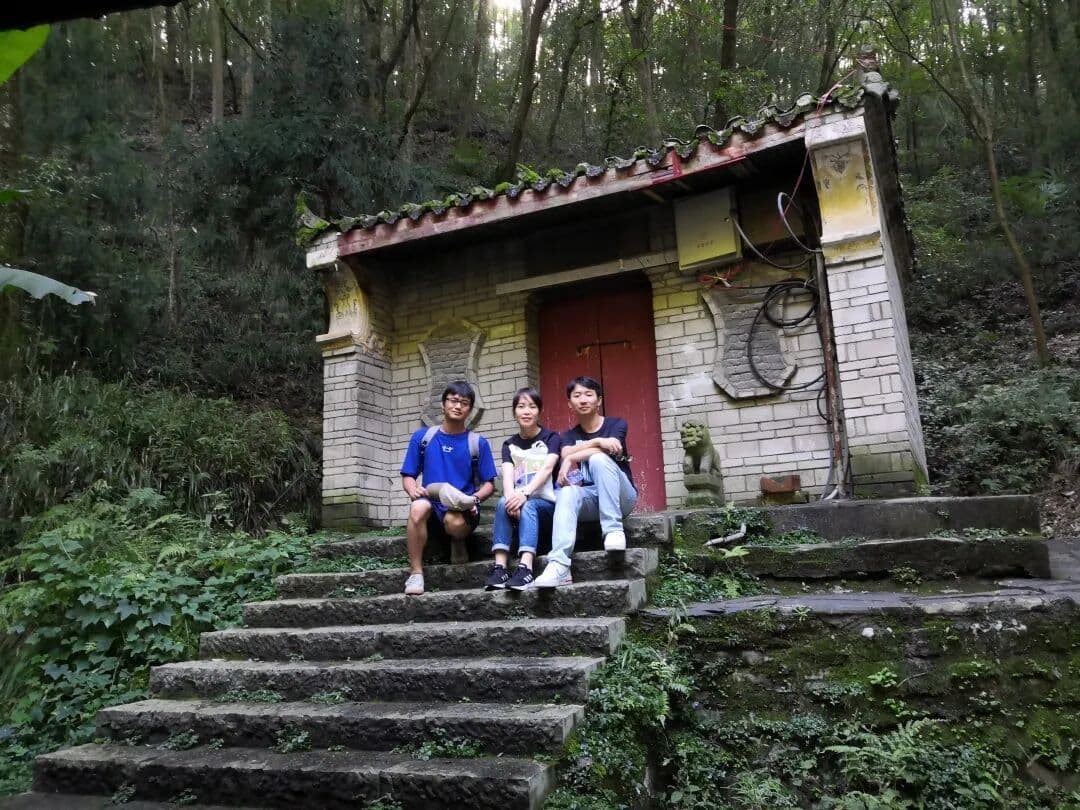
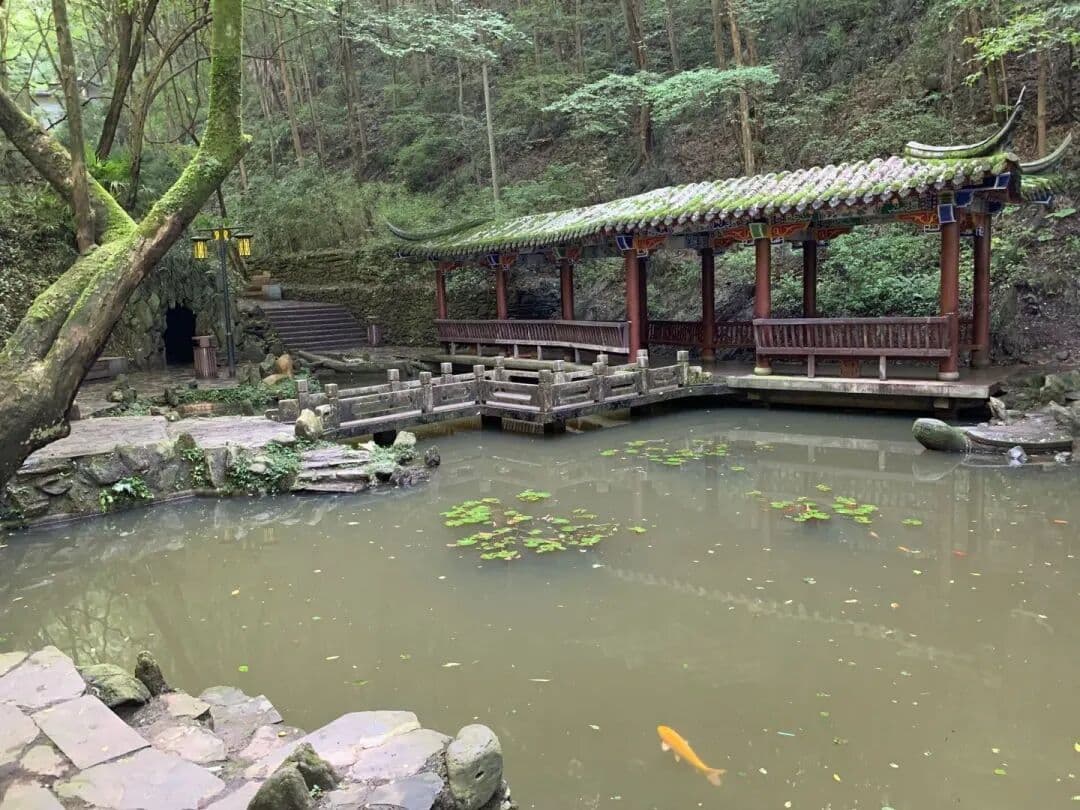
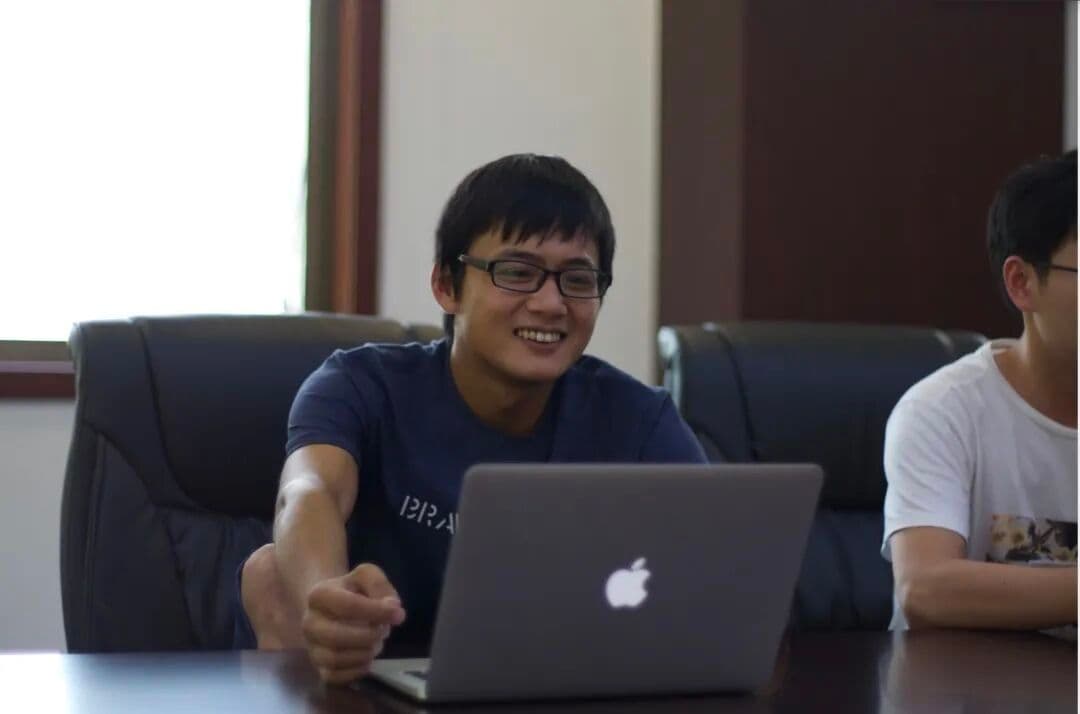
Xiong Zhiying, PhD Student, Department of Sociology, Peking University: At the “Future Anthropologists” Ankang Summer Field Camp, I witnessed the growth of these young anthropologists. This growth included both my own development and the progress I saw in the campers. As an anthropology student myself, deeply passionate about the field, I was eager to both learn and share anthropological knowledge and methods. For me, the camp was both an opportunity to teach and an opportunity to learn.
The program received tremendous support from senior scholars, some of whom came on-site to teach. Their lectures and specialized sessions were incredibly enriching. Equally rewarding, however, was seeing the campers’ own growth. They were at different stages of learning—from high school freshmen to recent college graduates—but each of them grasped the appeal of anthropology and threw themselves wholeheartedly into the short fieldwork exercises. By the end of the camp, through our conversations, I could already see their anthropological thinking taking shape. I am confident that the knowledge and methods of anthropology will continue to spread through them, helping our society grow and improve in the process.
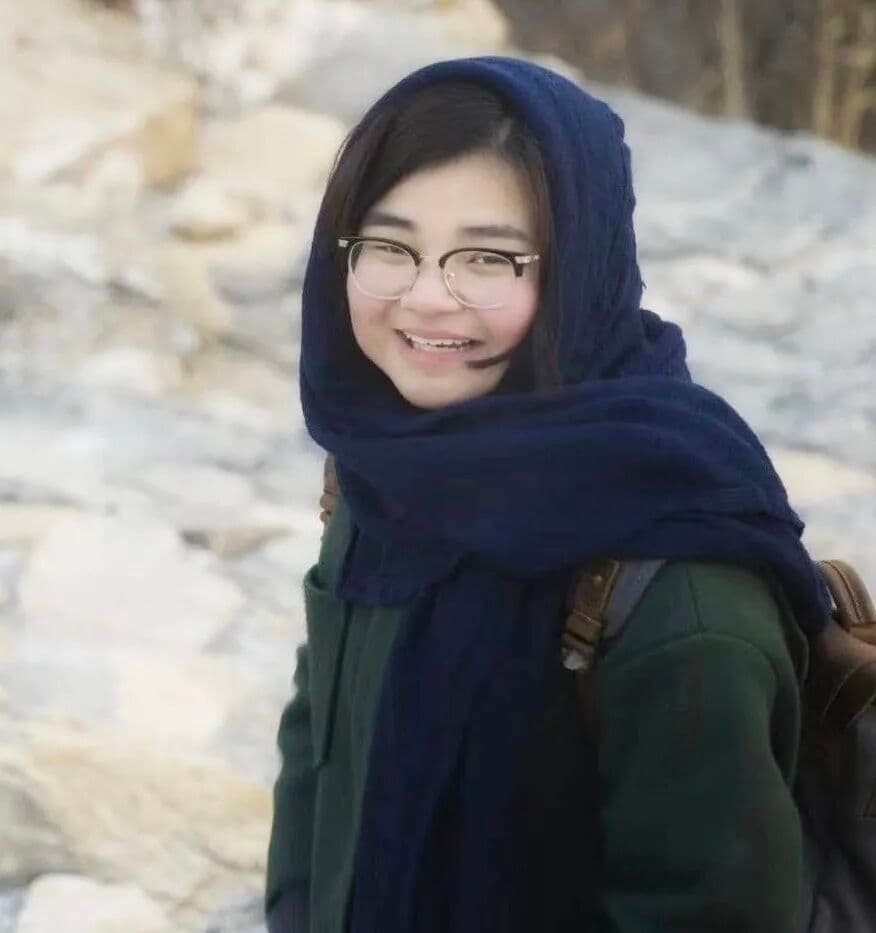
Yin Miao, Master’s Student, Department of Philosophy, Sun Yat-sen University: The depth of the camp’s curriculum and the excellence of the participants exceeded my expectations. What surprised me most was that despite the wide differences in age and educational background, they approached public issues with anthropological content and methods, carefully observing, discussing, and clarifying even the most subtle and difficult-to-articulate phenomena and concepts. They didn’t get stuck in theory—they truly engaged in the field, conducting investigations, conversations, reflections, and summaries.
As someone from Ankang, I gained a new understanding of my hometown through their fieldwork summaries and their perspectives as “others.” From both a personal and academic standpoint, Ankang is a geographic and cultural example of north-south integration, making it a perfect subject for anthropological study. Yet, due to the dominance of economic considerations today, it has often been overlooked. The short-term anthropological research conducted by the camp’s instructors and participants brings this small corner of my hometown into a larger sphere of recognition, which is immensely gratifying.
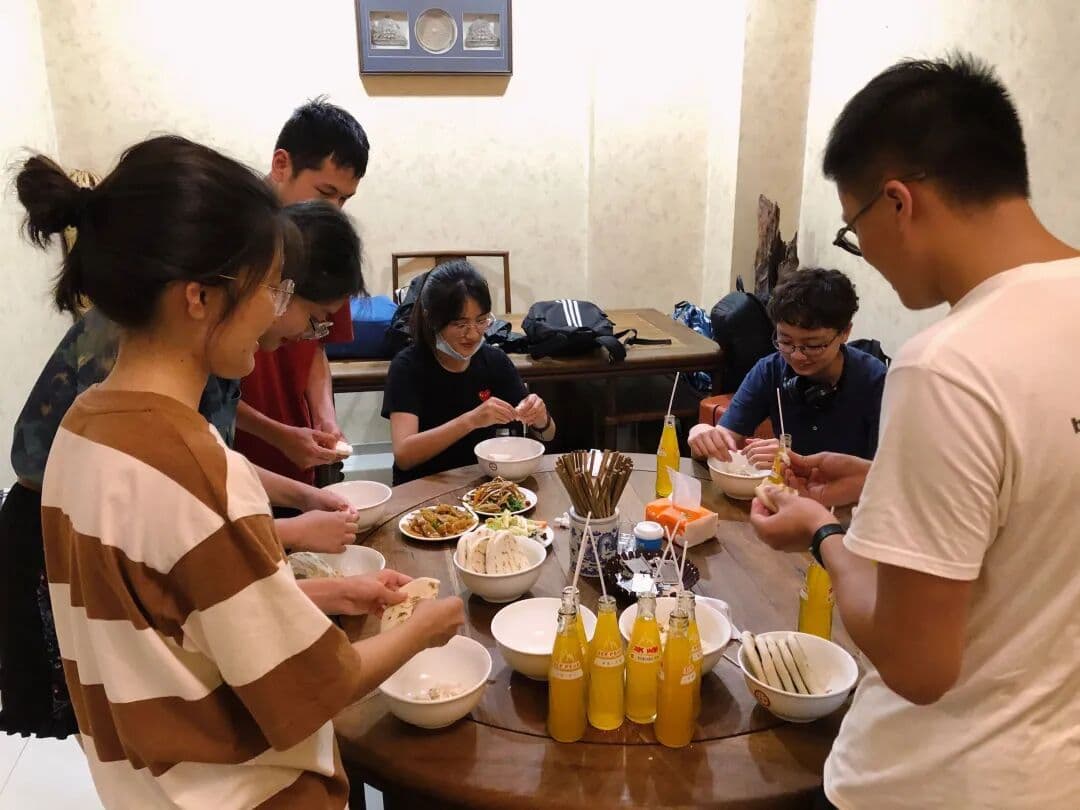
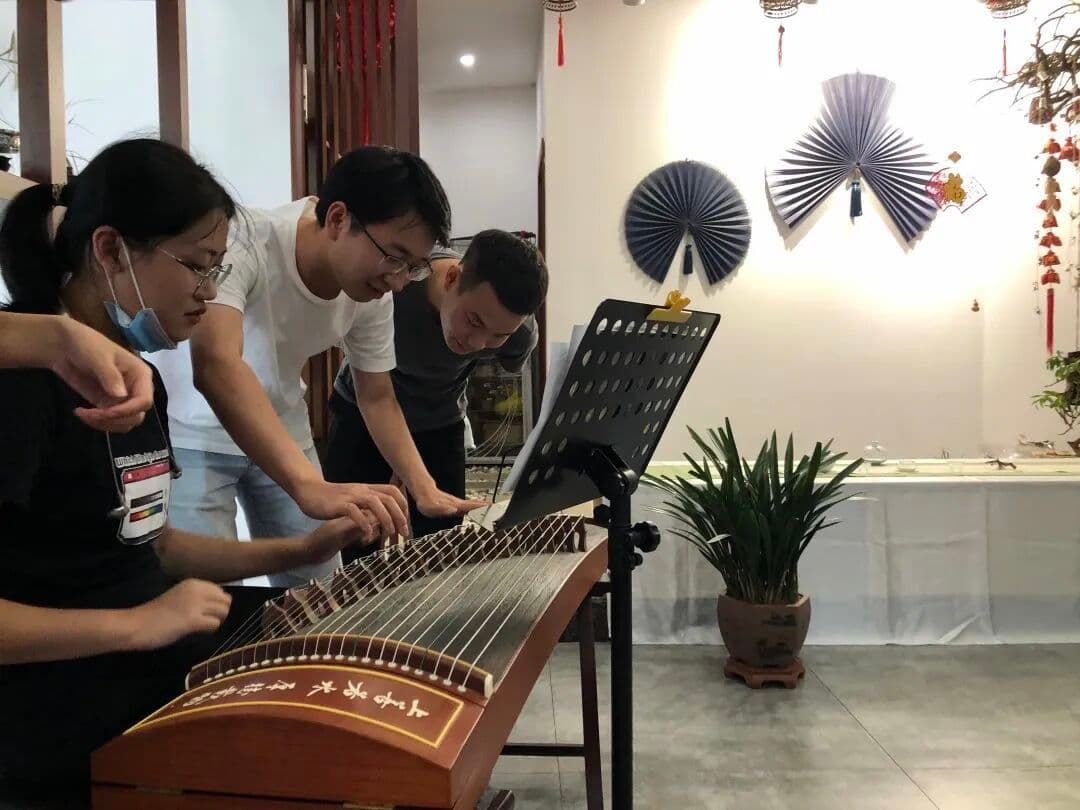
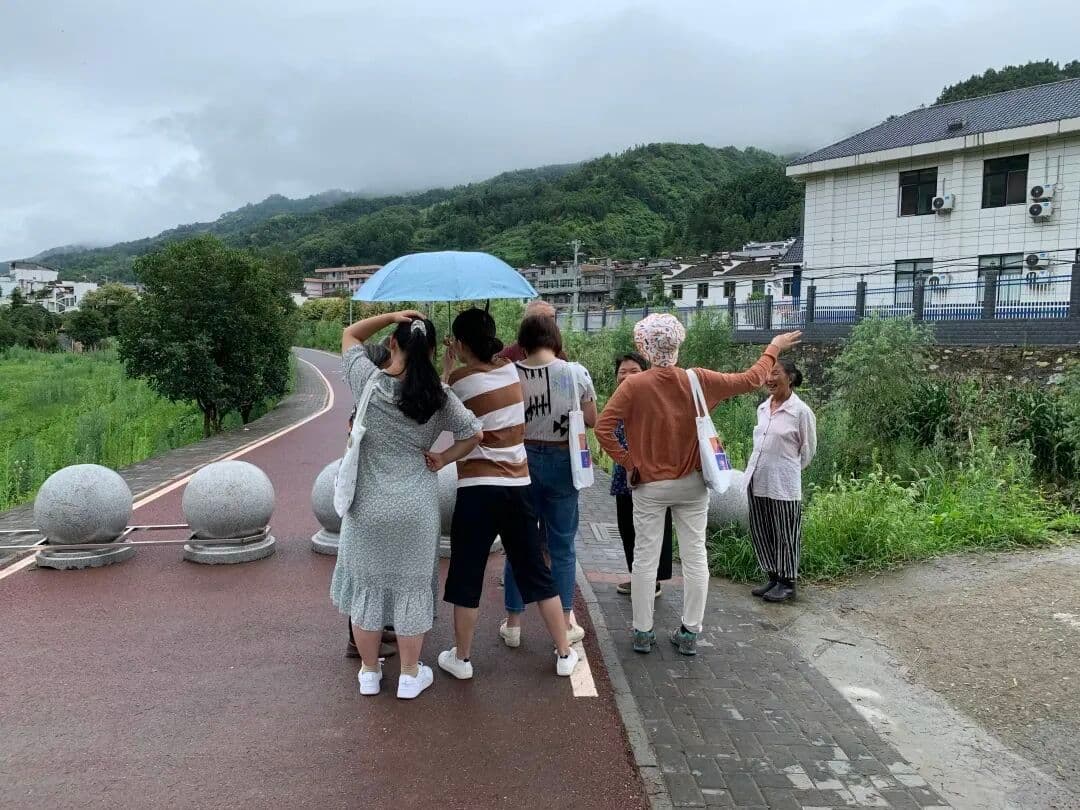
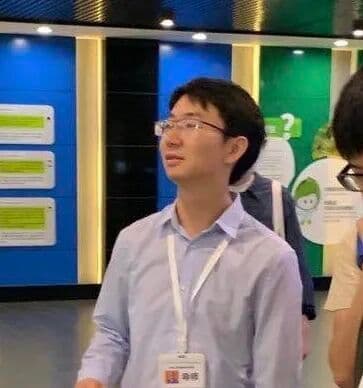
Wang Peng, Master’s Student, Department of Anthropology, Xiamen University: As the youngest and least experienced member of the teaching team, I am especially grateful to Dr. Wang Xiyan for inviting and trusting me, giving me the chance to participate in a project destined to reshape how Chinese society understands anthropology. During the week-long summer camp, I played a dual role as both learner and teacher. Engaging with Wang Xiyan, Xiong Zhiying, Cui Zhongzhou, Tian Xiong, Ran Guangpei, and Qiu Yue was immensely enriching, both academically and personally.
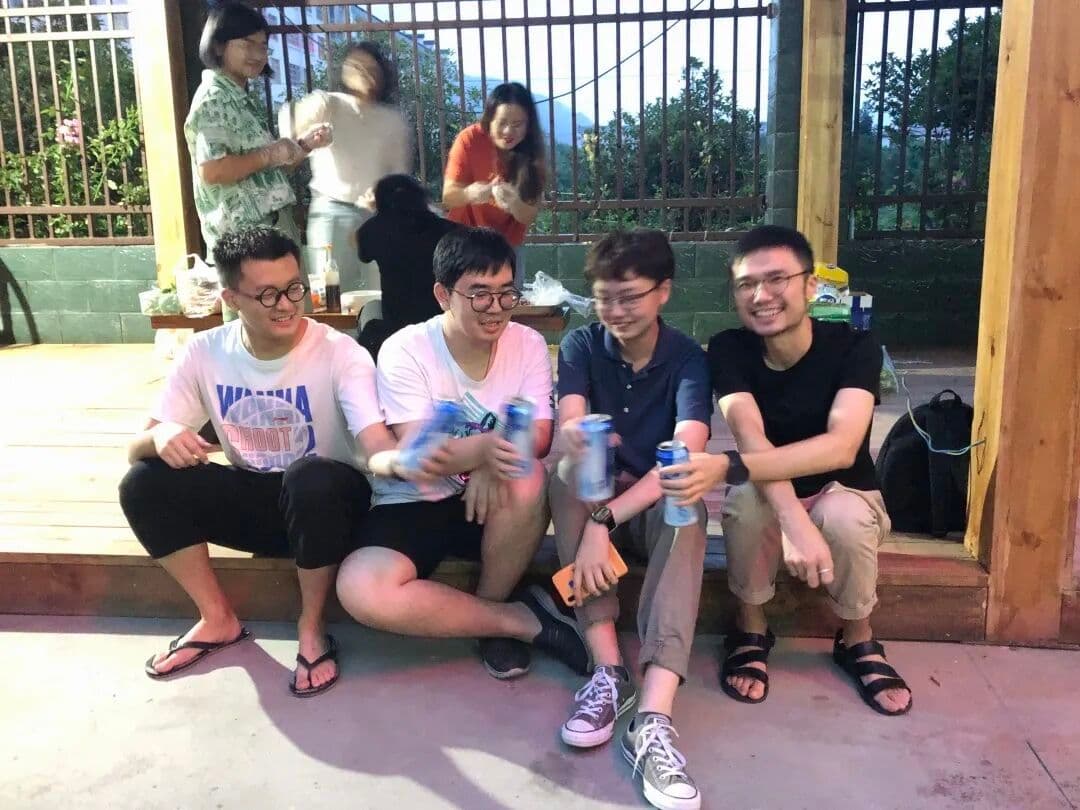
Even more fortunate, I met a group of students with diverse ages (from high school freshmen to professionals with years of work experience), different personalities, and varied academic backgrounds, yet all eager to learn and think critically. Discussions during the camp were never confined to the classroom. At the dining table, in the corridors, on the swings in the courtyard, or on the way to the field, questions, observations, and insights sparked lively conversations between instructors and students. These Socratic-style discussions were not about arriving at definitive answers; they were about training students to think like anthropologists, drawing connections between classical theory and field practice.
It’s undeniable that when a group of like-minded people comes together, sleep becomes secondary. The camp’s schedule was dense—intensive courses, fieldwork, and discussions—for both students and instructors. Through my lessons and discussions, some students reported a deeper understanding of Marx and even sought out his original texts afterward; others discovered that agricultural studies could be fascinating and intimately tied to both individual lives and broader social histories; some reflected on the logic behind their previous assumptions and began exploring questions anthropologically. Receiving their enthusiastic feedback instantly erased all fatigue. The combination of rich exchanges and diverse teaching methods made this reciprocal learning experience possible. Feeling fulfilled and enriched was the shared experience of every teacher and student in the camp.
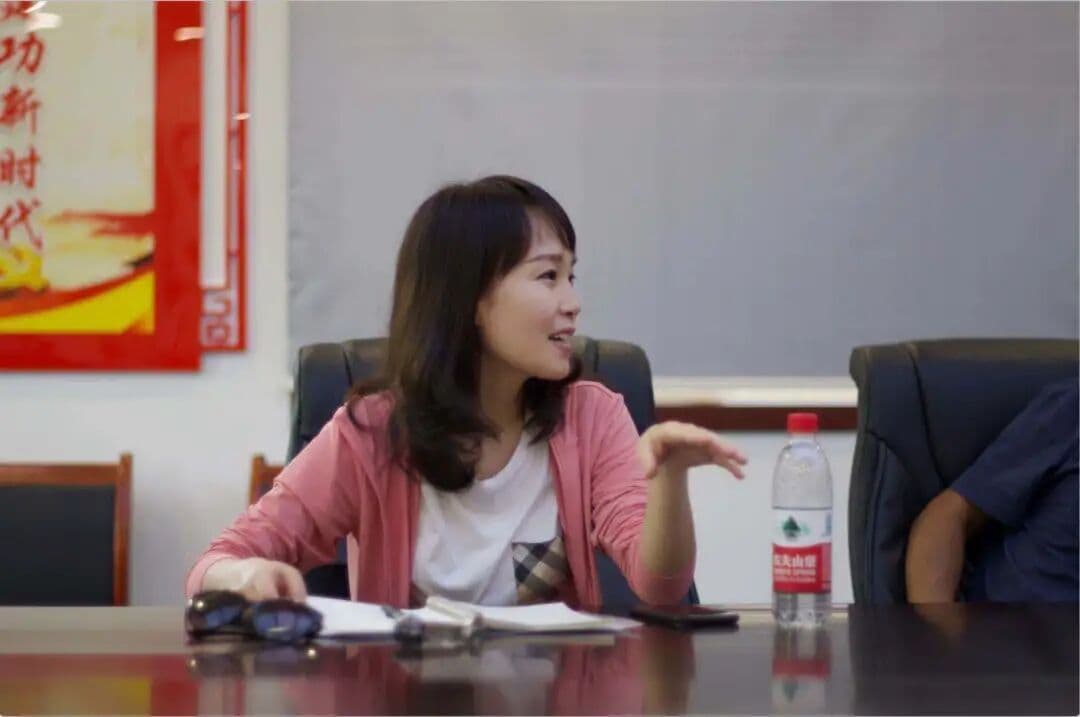
Wang Xiyan, PhD, École des Hautes Études en Sciences Sociales (France) and Organizer of the Camp: I have personally benefited from the way of thinking cultivated by the social sciences, and I wanted to share that with others—that was the motivation behind organizing this camp. Of course, I couldn’t expect a one-week program to fully achieve this ideal. Yet, judging by everyone’s reflections, it seems my efforts have made some initial progress. That makes me happy and motivates me to continue developing this program.