In hidden crevices, hear the call of centuries and distant lands.
Author Bio: Han Guang holds a Bachelor's and Master's degree in Philosophy from Nanjing University.
Currently serving as an editor at a publishing house, he was a member of the Ziyang Camp in 2020.
Before attending the summer camp (2020), I had opened Claude Lévi-Strauss's Tristes Tropiques, where I came across this passage:
"When you suddenly discover that on either side of a hidden crevice, two different species of green plants have grown side by side, incredibly close, each having chosen the soil most suited to itself.
At such moments, time and space merge into one: the diversity that still survives overlaps with different eras, preserving and perpetuating them. Distant centuries call to one another, ultimately speaking with the same, singular voice."
This is an extraordinarily grand and romantic expression. For me, that summer five years ago was a hidden crevice I discovered in life, opening onto a world brimming with wonder. Its diverse intellectual chords still resonate today, reminding me in this weary society to discover specific people, discover those nearby, discover each and every person—as The Doctrine of the Mean states: To know the near in the far, to know the origin of the wind, to know the manifest in the subtle—this is the gateway to virtue."
Seeing the Manifest in the Subtle: Discovering Concrete Individuals Through Field Research
In Ankang, I embarked on my first field investigation into folk beliefs in the Ziyang region. Having developed a deep passion for religious studies during my undergraduate years, I imagined this place would preserve the “sacred and the mundane,” reveal the “otherworldly and the other,” and allow me to witness the “secularization of religion.” I had prepared an abundance of sophisticated theories and lofty terminology, eager to validate their eternal truth through practical application.
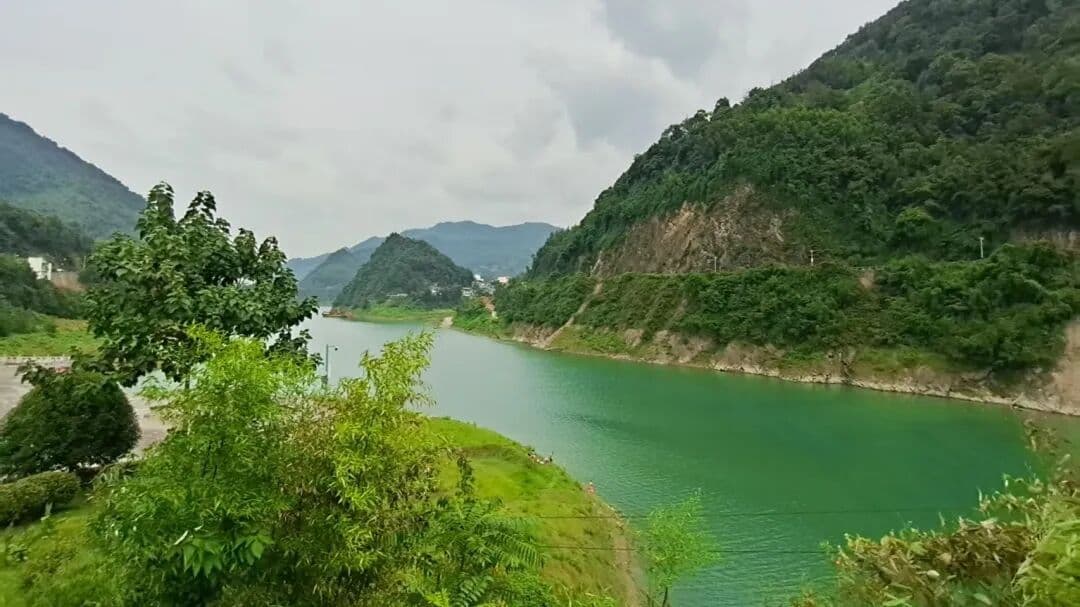
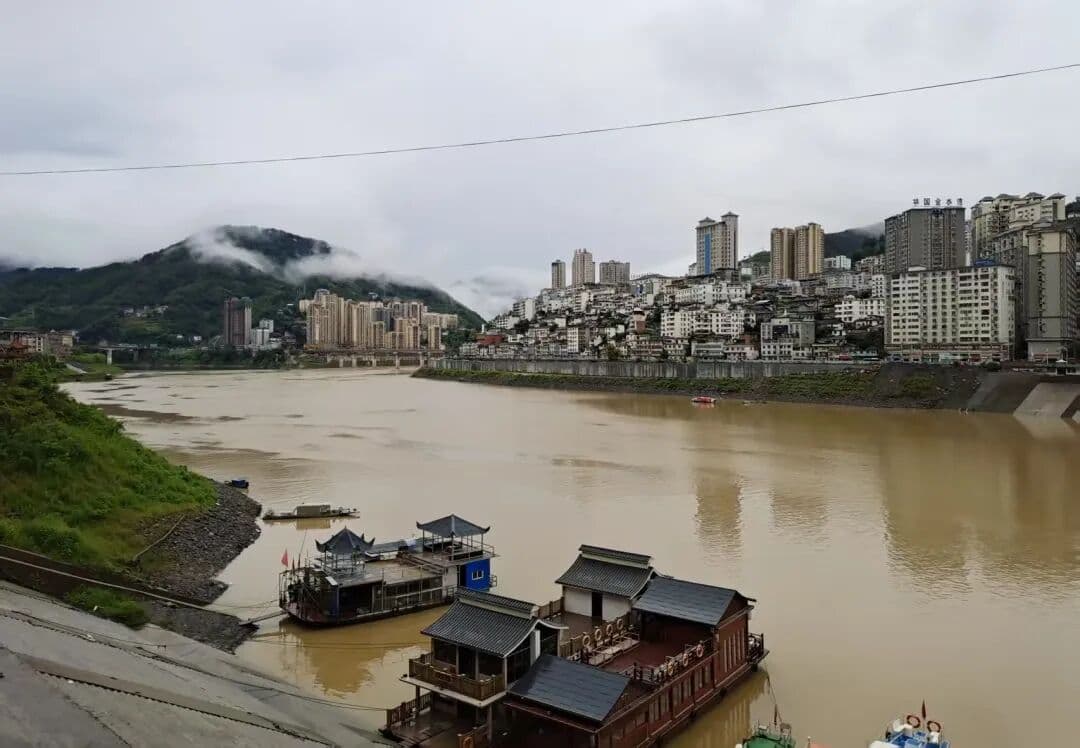
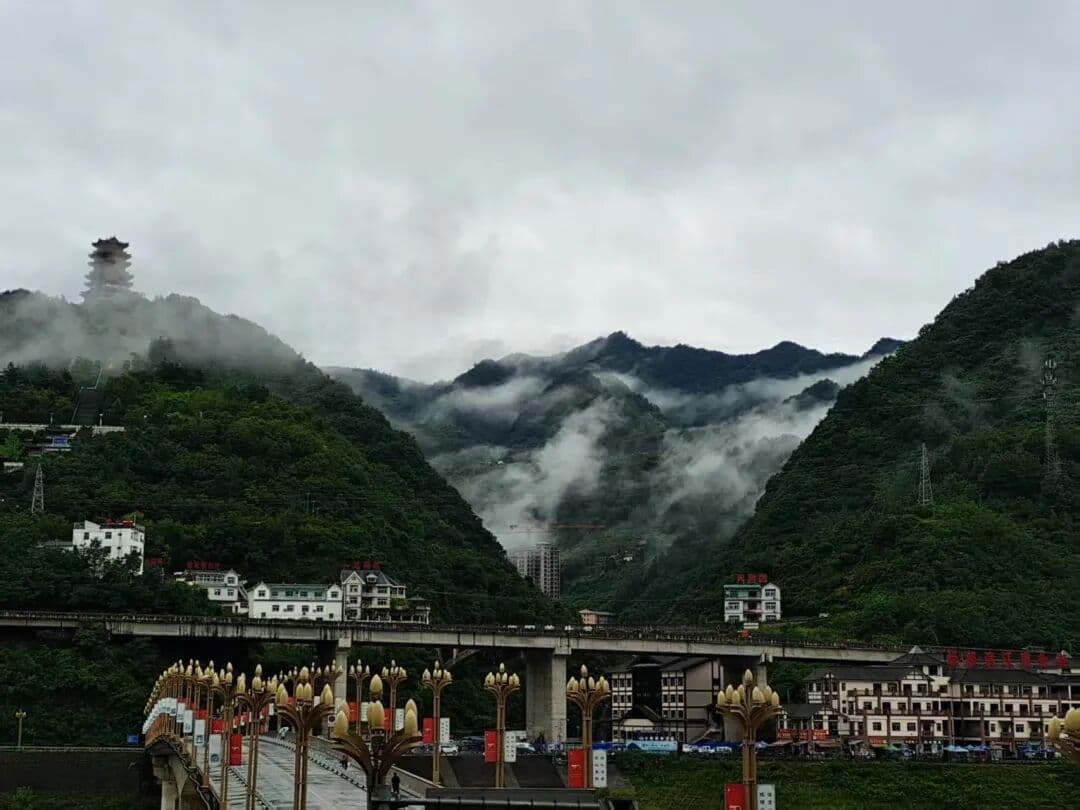
Under the guidance of the camp instructors, I spoke with an elderly man by the roadside about local wedding and funeral customs. As he scrolled through short videos, he remarked that there was no difference from the city. I also met a yin-yang practitioner working in the fields and discovered a dilapidated Guandi temple. I did not experience cultural shock; I did not find that the religious landscape of Ziyang was drastically different from that of Jiangnan; I did not encounter mystical social or philosophical theories taking form in reality.
Yet this is the real world. The people who live here—each and every one—are the concrete individuals who constitute human society in the present. Yearly statistics of believers, the waxing and waning number of temples, and conclusions abstracted repeatedly from such data—these are the “curse of knowledge” and human arrogance.
At the camp, following experienced instructors, I not only learned and practiced fieldwork, but also realized that to truly respect the field, one must put aside arrogance and attend to concrete people. Of course, great theories cannot emerge from a brief field visit alone. The senior professors at the camp carefully analyzed our field reports, identified gaps in our investigative skills, nurtured our awareness of research questions, and suggested more reasonable entry points and theoretically robust frameworks.
Thus, the camp offered a highly concentrated academic experience—accessible, hands-on, and conducive to growth.
Tracing Philosophy through Anthropology
This summer camp directly inspired my philosophical research during my master’s studies. One afternoon, I listened to folk songs from southern Shaanxi: mountain-song duets, short tunes, and work chants. The melodies were winding, resonant, and unadorned, with little falsetto, yet rich and sincere.
Two songs, “Picking Cucumbers” and “Harvesting Chives”, left a deep impression. Both begin with labor as a prelude and use the voice of women to express longing. As the songs build, the performers naturally accompany their lyrics with gestures and dance, fully reflecting the origin of literature and music described in the Mao Commentary on the Book of Songs. Yet this lyricism is entirely natural and unpretentious. One cannot easily sense the moral cultivation implied by “arising from emotion, restrained by propriety,” nor the deeper political vision of “the affairs of a state hinge upon one person’s governance”; it is simply the spontaneous outpouring of emotion.
Carrying these reflections and explorations from the camp, I began my master’s research on the Book of Songs. Whenever I read it, I think back to that afternoon in Ziyang, listening to folk songs—a living culture that has shaped and continues to shape our national character.
The summer camp is not a one-off event; it is a memory that can be revisited and resonates over time. Anthropology, with its expansive and inclusive perspective, inspires reflection across disciplines, fields, and layers of thought. The instructors and peers I met during the camp have since become mentors and friends. We met through shared interests, forming genuine relationships where ideas and insights could be exchanged freely. In the acknowledgments of my master’s thesis, I mentioned several friends I met during the camp, thanking them for their guidance and support.
From the Near to the Far: How the “Future Anthropologists” Camp Illuminated My Life
Valery Balmont once said, “I came into this world to see the sun and the blue fields.” In today’s highly digitized era, opportunities to truly understand the world immediately around us are rare. We may know countless people and faraway places, yet we often know very little about those who share our daily lives. We do not understand the lives of neighborhood security guards, building janitors, or bakery clerks. Beyond mere labels, we know little about those in our immediate vicinity.
We have vast amounts of information, can surf the internet effortlessly, yet we lose interest and warmth toward our surroundings. Instrumental rationality overwhelms value rationality; humans are no longer ends in themselves but have been reduced to means.
The summer camp, by placing us in direct engagement with people, landscapes, and practices, illuminated the importance of observing and valuing these concrete, everyday lives. It reminded me that anthropology is not merely abstract theory but a lens for reconnecting with the lived world around us.
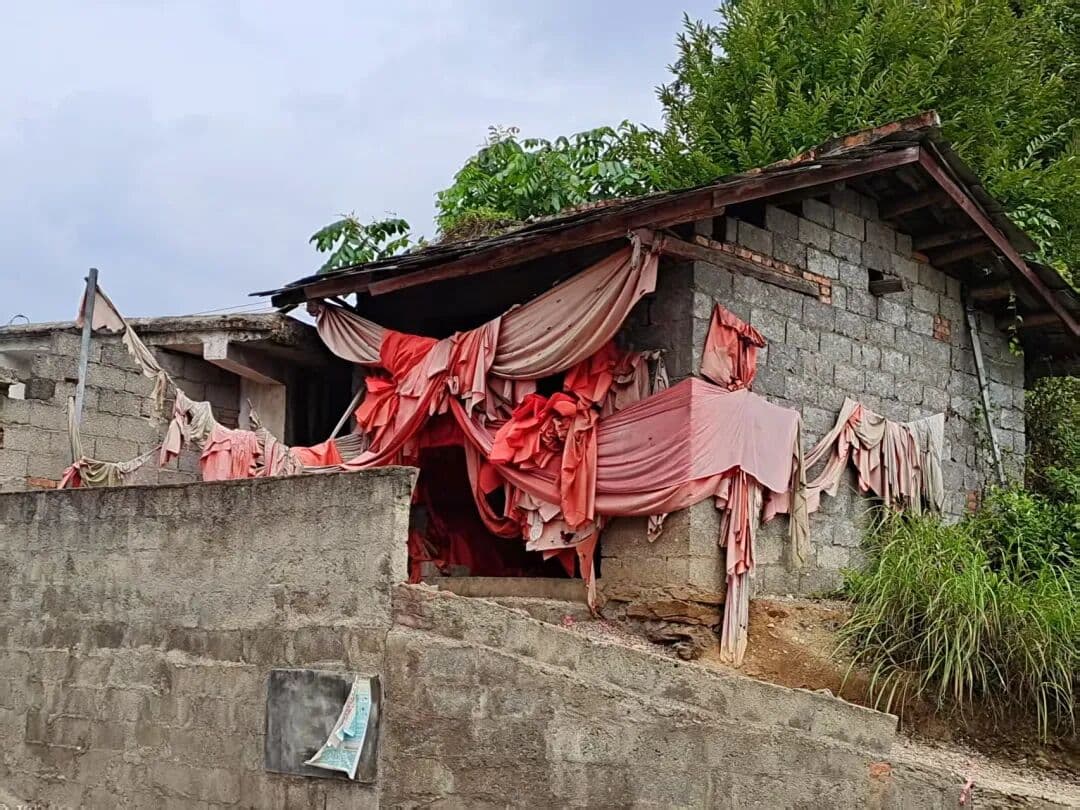
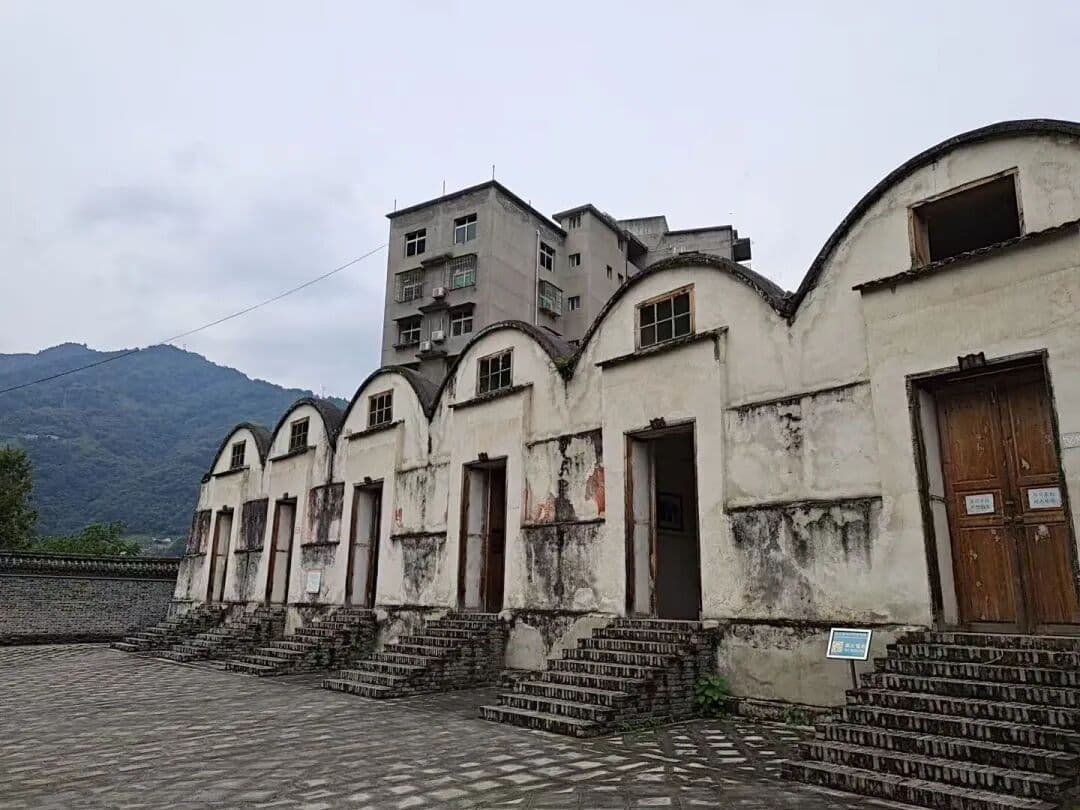
In this way, we lose the insight to truly perceive life. Amid the overwhelming flood of affirming and positive information, we become rigid and fatigued. The realms of truth and beauty no longer open themselves to us. We can no longer, in moments of leisure, “suddenly notice two different species of green plants growing side by side in a hidden crevice,” nor feel that “different centuries, places separated by vast distances, are calling to one another.”
So, return to nature and society themselves. Rediscover the world around you. Discover the people nearby, discover each individual who “speaks with the same yet unique voice.” Be courageous, and become a future anthropologist!