This summer, writing an ethnography of humanity and nature in the Qinling Mountains
If you believe that knowledge can come from
the wind, the rain, the soil, and the chirping of insects,
then this is the summer that belongs to you.
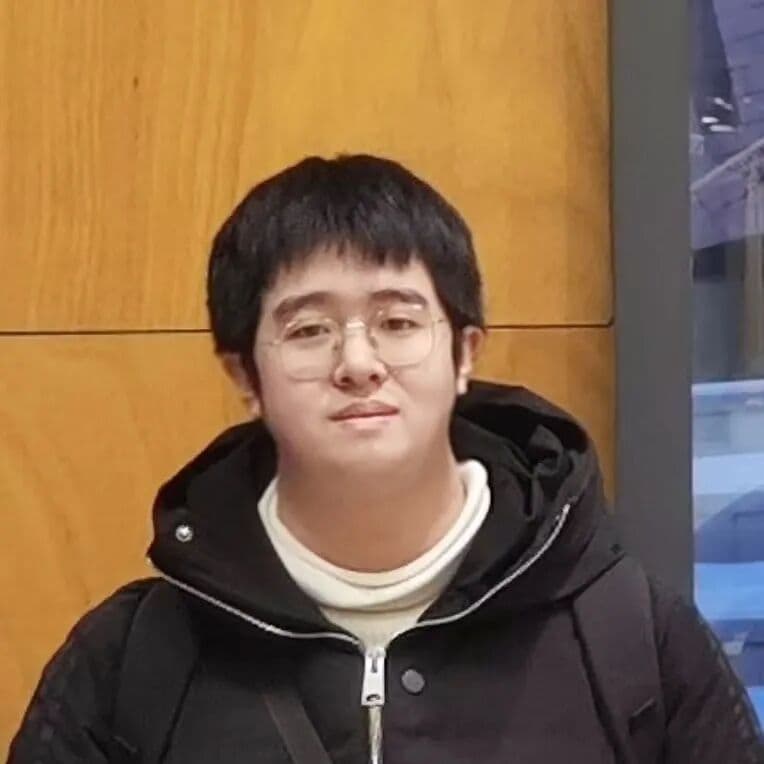
Hello, everyone. I’m Yang Xuanyu, the lead mentor of the “Future Anthropologists” Ningshan Summer Camp.
If you are curious about anthropology, natural ecology, or the complex and subtle relationships between human and non-human life, then this summer, you shouldn’t miss this journey through the forests of the Qinling Mountains.
My research has long focused on multispecies ethnography and wildlife conservation. I have explored how humans understand and respond to their “non-human neighbors” in urban fieldwork—for example, how people in a rapidly developing city like Shanghai perceive coexistence and conflict with wild raccoon dogs.
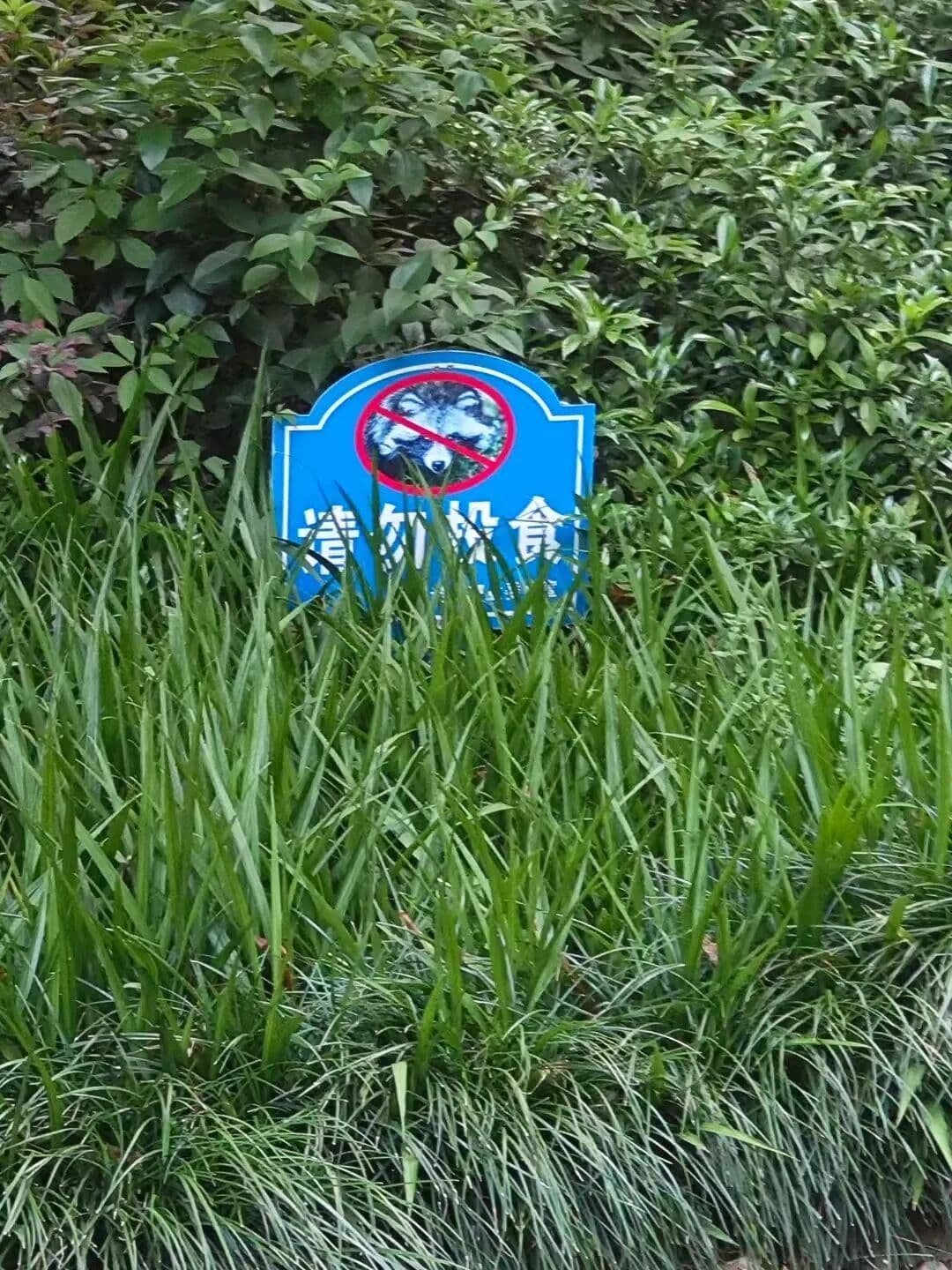
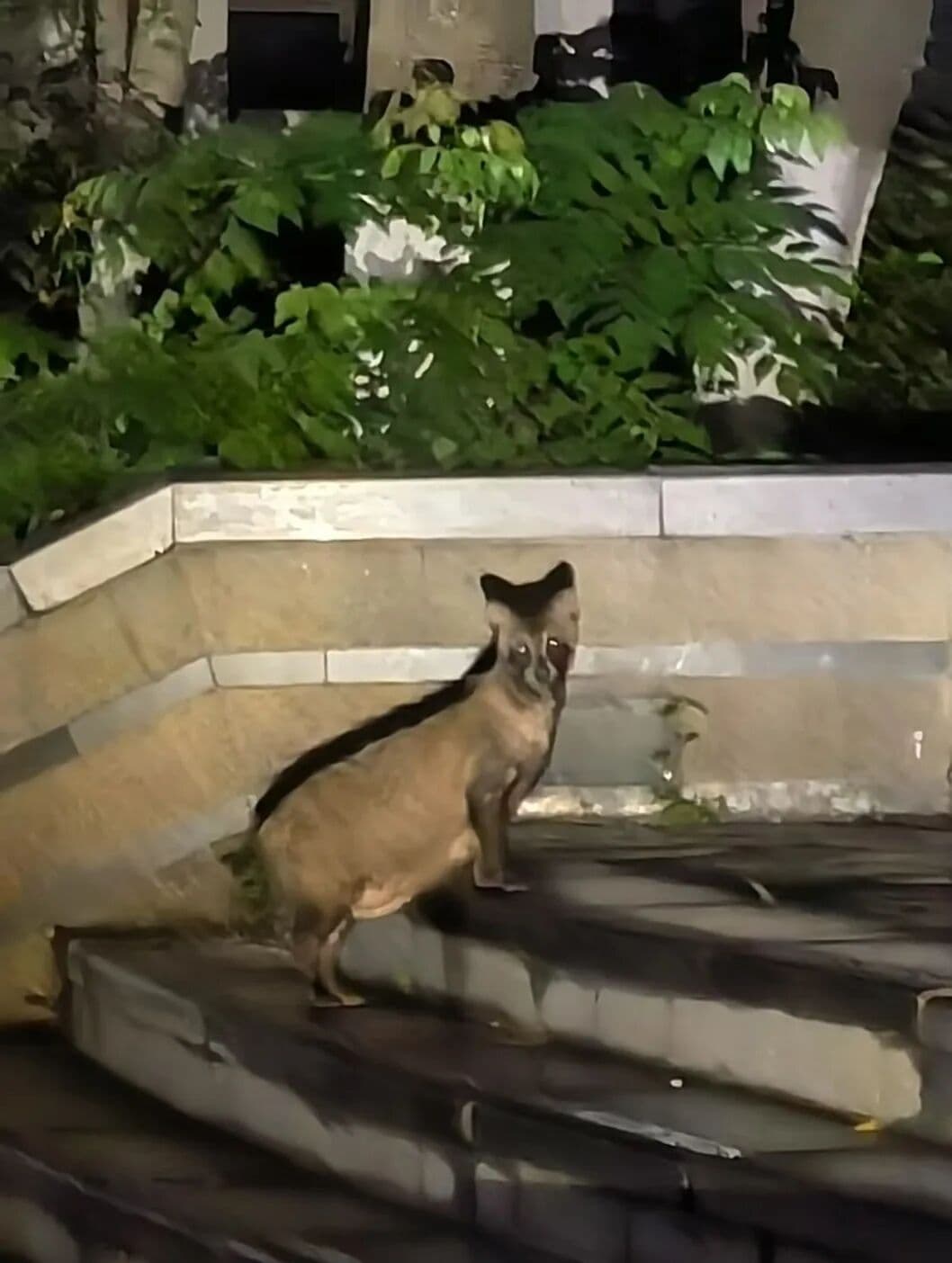
When the topic of “wild animals entering cities” arises, many people envision lonely, helpless creatures—a perception that has led some Shanghai residents to feed raccoon dogs. However, from an ecological and ethological perspective, such feeding practices may trigger abnormal population growth in these animals, thereby increasing the risk of human-animal conflicts. The coexistence between humans and raccoon dogs is a subject requiring long-term exploration and careful management.
These two photographs were taken in July 2023 within a residential community in Songjiang District, Shanghai. One captures a raccoon dog (right) appearing on the steps in front of a building at night, while the other shows a “Do Not Feed” warning sign featuring a raccoon dog image (left) standing upright in the grass.
This fieldwork continually reminds me: human society does not exist in isolation but is embedded within a broader ecological network. Within this network, cultural imagination, scientific knowledge, and policy practices intertwine and collide, forming multiple understandings and practices of the “human-animal-nature” relationship. This is precisely the significance of ecological anthropology and multi-species ethnography: it compels us to rethink the limitations of anthropocentrism and listen to the silent yet living beings around us.
Ningshan serves as an ideal “field classroom” for such exploration. Nestled in the folds of the southern Qinling Mountains, this quiet town is hailed as a “natural museum of biodiversity” and “China's biological gene bank.” It serves as a pilot site for the Giant Panda National Park and stands as a vital ecological barrier for the Central Route of the South-to-North Water Diversion Project. In this frontier of ecology, the interplay between human lifestyles and natural systems becomes strikingly evident: Is it adaptation? Governance? Symbiosis? All these questions await our personal exploration, reflection, and documentation amidst these mountains and forests.
In Ningshan, we will venture deep into the mountains and forests for a truly immersive field journey: At the Crested Ibis Reintroduction Base, we will observe up close this rare bird, hailed as the “Eastern Jewel.” From captive breeding to wild reintroduction, this effort represents a comprehensive achievement in ecological restoration, environmental ethics, and local stakeholder collaboration. We will ponder: Is human “intervention” a blessing, or a necessity for coexistence?
✨ In the Shiitake Mushroom Village, you will handpick mushrooms, learn their growth journey from mycelium to fruiting body, and explore how this seemingly ordinary ingredient shapes rural economies, preserves traditional knowledge, and rebuilds ecological resources.
✨ On the rice field train, you'll observe human-land relationships within agricultural ecosystems amid swaying paddies;
✨ While trekking through streams and valleys in pristine forests, you'll measure nature's scale with your body and sense the existence of non-human life through your senses.
These experiences aren't just an awakening of ecological awareness—they embody the core of anthropological practice:
We must learn to coexist with the “other”—
be it the cultural other,
or the species other.
Through observation, interviews, notes, and imagery, we'll become more perceptive field recorders, composing our own ethnographies amidst mountains and forests.
This is no ordinary journey, but an interdisciplinary practicum unfolding amidst forests, fields, streams, and birdsong. Here, knowledge springs not only from classroom lectures, but from your touch upon the earth, your listening to ecosystems, your contemplation of life itself. It is learning that penetrates to the very texture of existence, a field exploration of humanity's potential symbiosis with nature.
If you yearn to step beyond familiar classrooms and ponder humanity's place within nature's folds; If you are willing to see, through an anthropologist's eyes, the unspoken connections between humans and animals, humans and environment, humans and society; If you believe knowledge can be found in the wind, rain, soil, and the songs of insects—then this is your summer.
I await you in Ningshan. Together, amidst the echoes of the Qinling forests, we shall uncover the stories co-written by humanity and nature.