
Danzhou, Hainan
Echoes of Yazhou: Bodily Politics, Ancestral Personas, and the "Economy of Enrichment" in the Tropics
Danzhou, located in western Hainan, once a peripheral "land of miasma" in the dynastic narratives of the Song Empire, has transformed into a contemporary frontier where ecological healing and cultural consumption deeply intersect. This region is not only a repository of diverse ethnobotanical resources but also a profound cultural landscape centered on the legacy of Su Dongpo. When Dongpo’s philosophy of "transcendence" (Kuangda) meets the humid, tropical environment of the south, a cultural experiment unfolds regarding bodily management, intangible heritage transformation, and value appreciation.
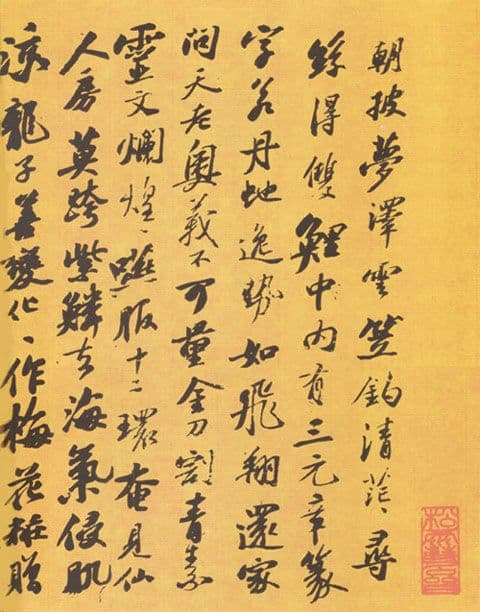
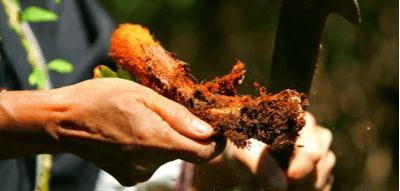
From the perspective of medical anthropology, the work of University of Chicago Professor Judith Farquhar on the body, medicine, and biopolitics provides a crucial dimension for our understanding of Hainan. Su Dongpo’s resistance to "miasma" (Zhangqi), his identification of Li ethnic herbal medicines, and his regulation of daily diet and living were not merely survival tactics; they constituted a "rhetoric of the body." In Farquhar’s framework, the body is not just biological but a product of history and culture. Here, we explore how Su Dongpo adjusted his Northern literati bodily experience to the tropical natural rhythms through public health advocacy and water management.
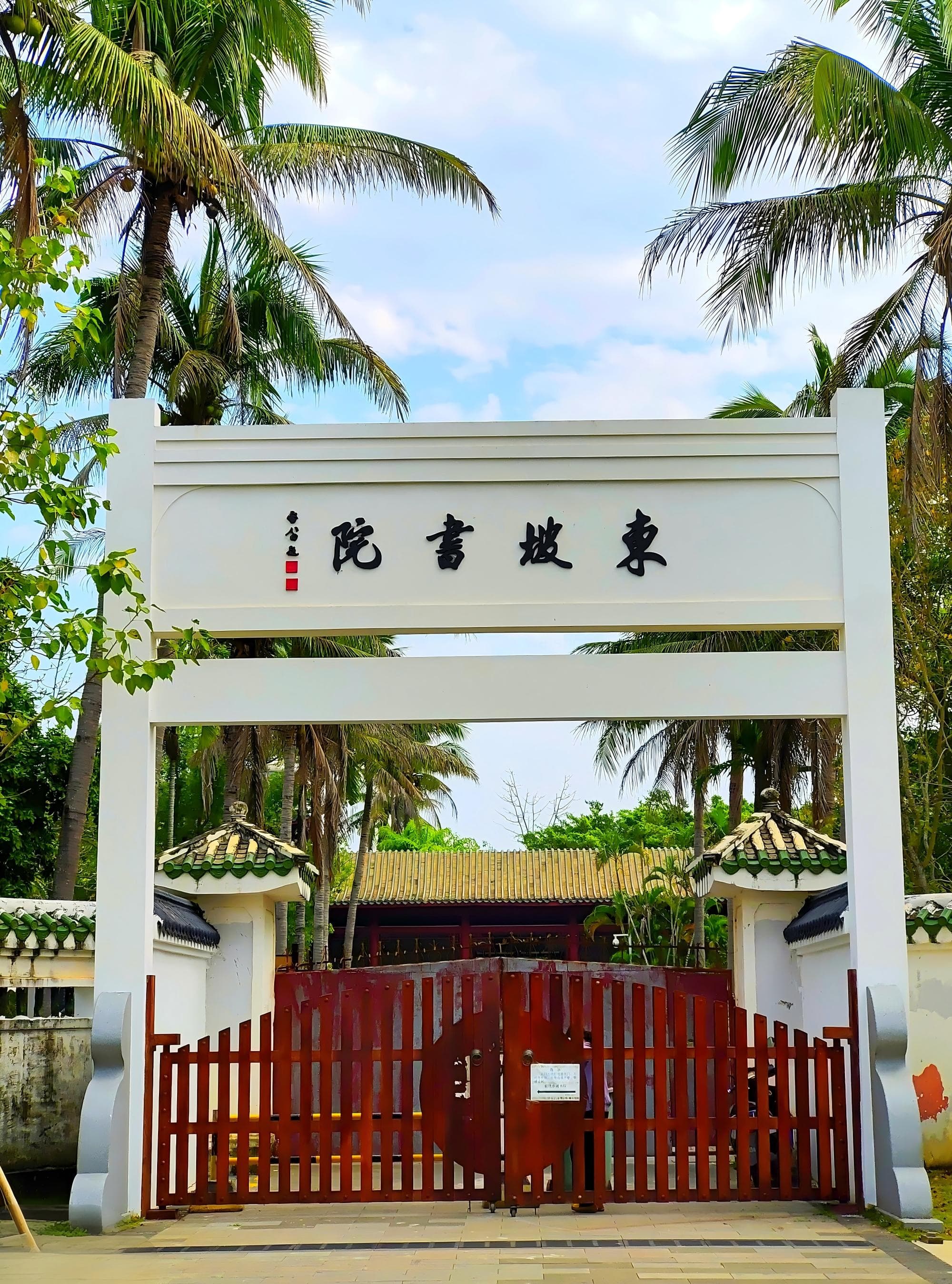
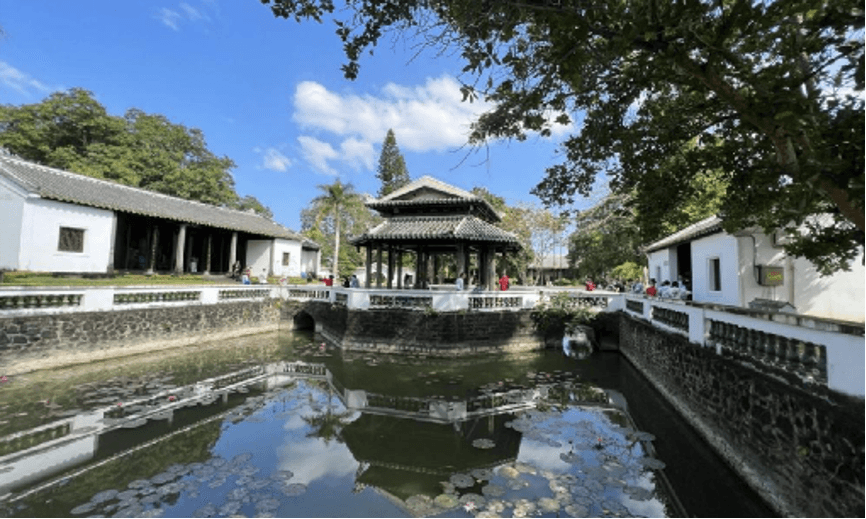
In the contemporary landscape of Hainan’s cultural tourism, the theory of the "Economy of Enrichment"(Enrichissement), proposed by the French sociologist Luc Boltanski and Arnaud Esquerre, offers a sharp tool for examining Su Dongpo’s status as "heritage." Boltanski argues that modern capitalism creates value by unearthing history and exploiting the "past," where the construction of an "ancestral persona" (personnage ancestral) is paramount. In Hainan, Su Dongpo is no longer just a poet; he has been reconstructed as an ancestral figure capable of linking landscapes, intangible heritage, and local identity. Through the "enrichment" of symbols like the Dongpo Academy and the traditional bamboo hat (Dongpo Li), the tourism industry transforms historical sediment into consumable narrative value.
This season’s theme, "Resonance of the Sea and Mountains," aims to guide students through medical anthropologyand sociological narrative critique to explore the following profound inquiries:
- Senses and Healing: Drawing on Farquhar’s theories to investigate how the tropical environment intervenes in bodily perception, and exploring the bodily practices behind Su Dongpo’s "transcendence."
- The Enrichment of the Ancestor: Applying Boltanski’s perspective to observe how Su Dongpo, as an "ancestral persona," is embedded in contemporary tourism narratives and heritage development, questioning how cultural value is "enriched" and converted.
- The Vitality of Objects: Examining how material carriers—from ancient Li brocades to Dongpo cultural memorabilia—serve as intermediaries seeking a balance between "public health" and "cultural premium."
This is not merely a field study through rainforests and ancient ruins; it is a profound dialogue unfolding in the tropical sea breeze, contemplating how humanity navigates environmental change through bodily adaptation and cultural production.

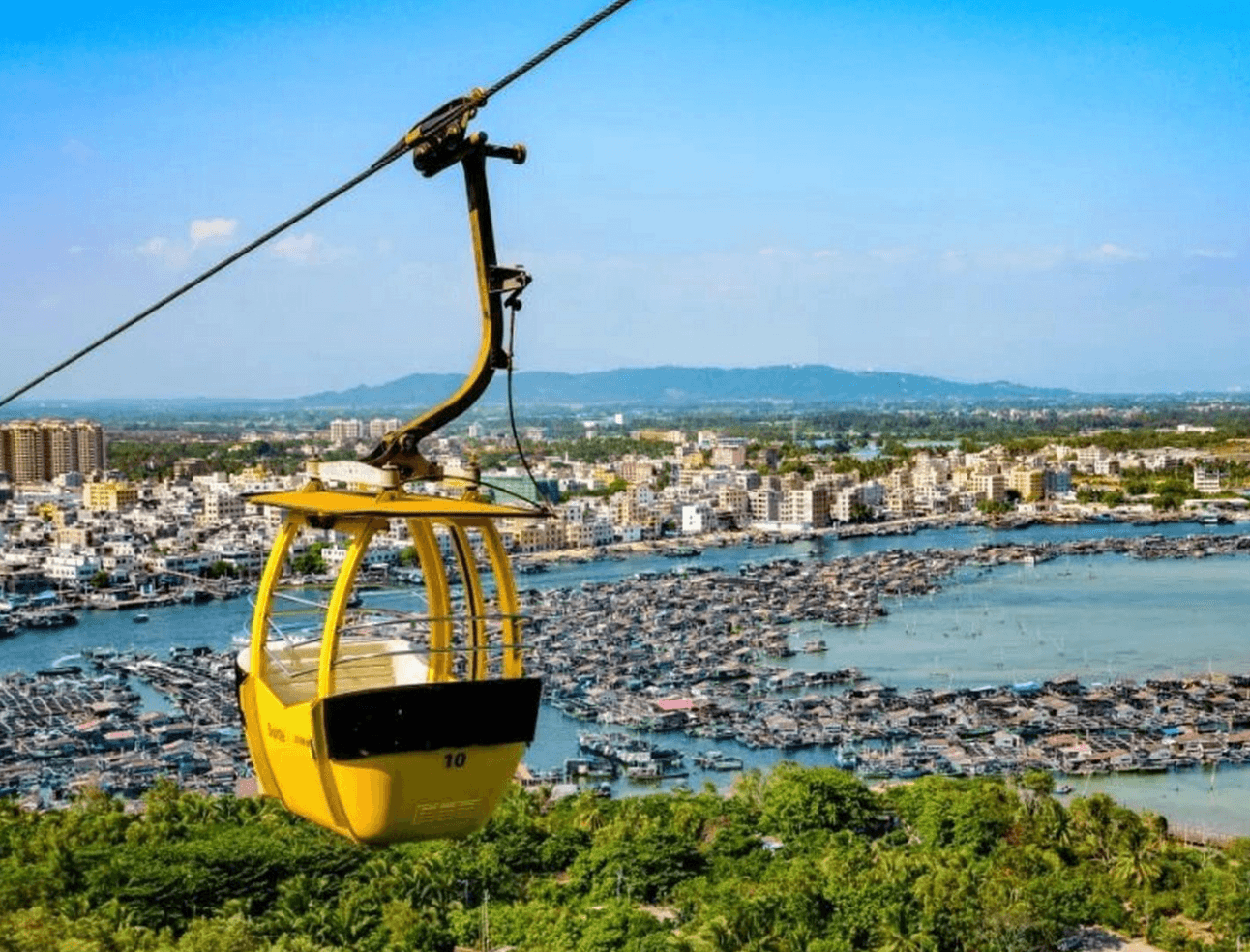
Camp Schedule
Schedule may be subject to minor modifications due to local weather, mentor's calendar conflicts, or other unforeseen circumstances.
| Date | Morning (AM) | Afternoon (PM) |
|---|---|---|
| Aug 10, 2026 | Introduction to Danzhou History & Anthropology | Fieldwork Methods & Project Grouping |
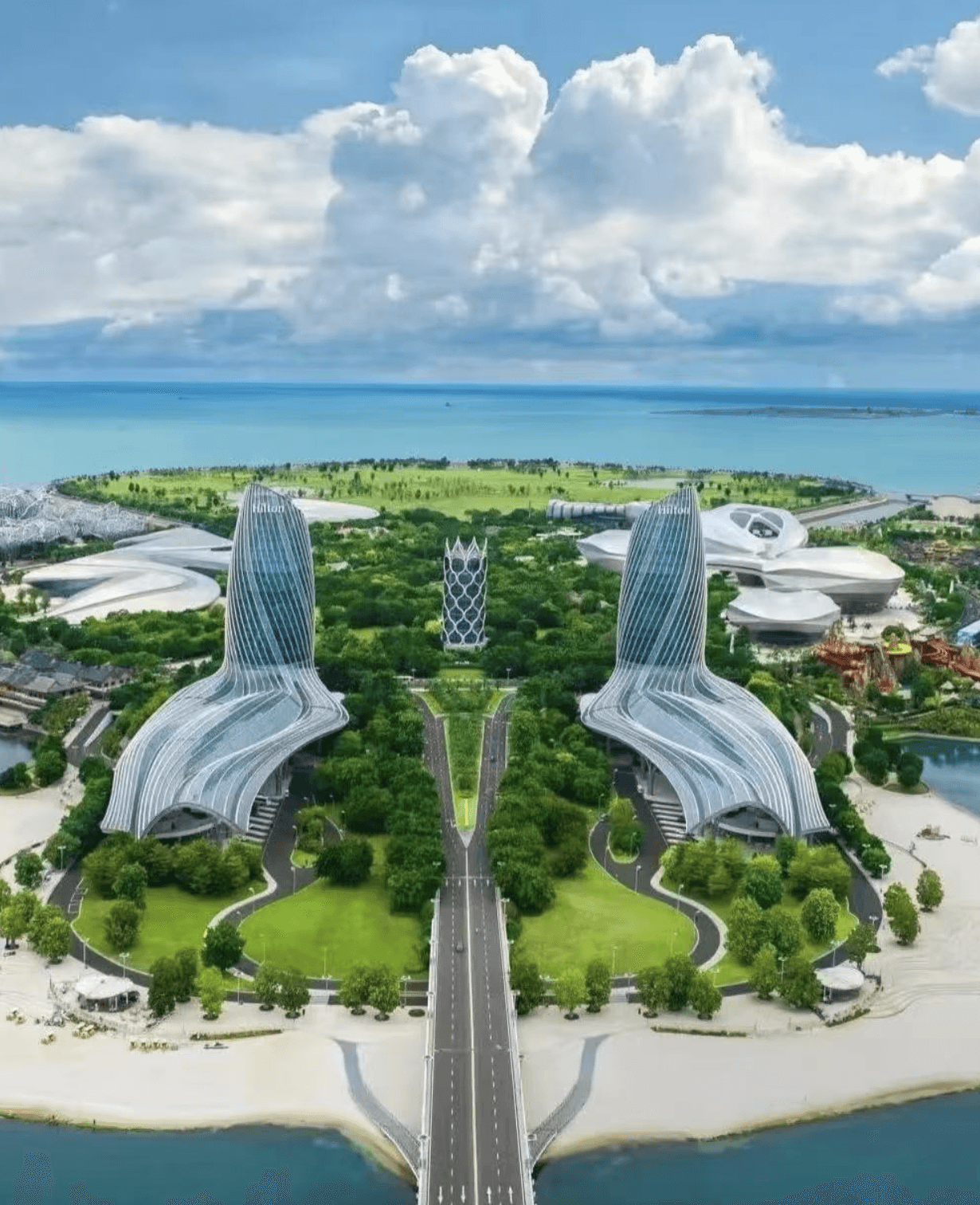
| Aug 11, 2026 | Visit to Dongpo Academy | Fieldwork : Ocean Flower Island |
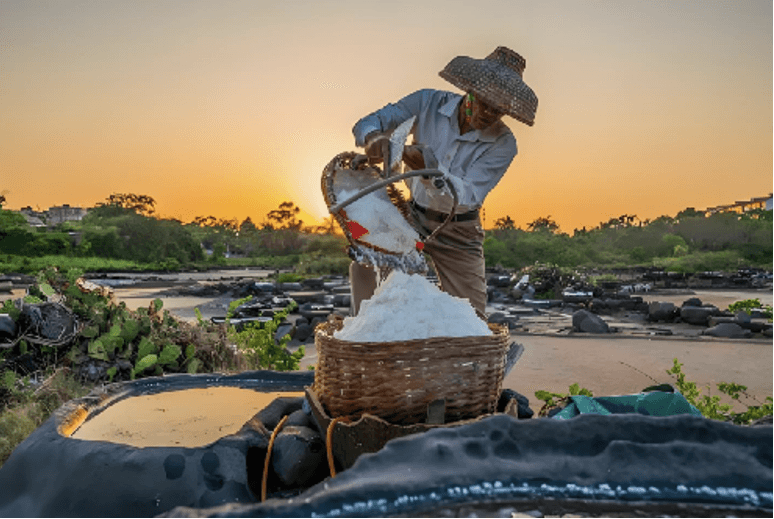
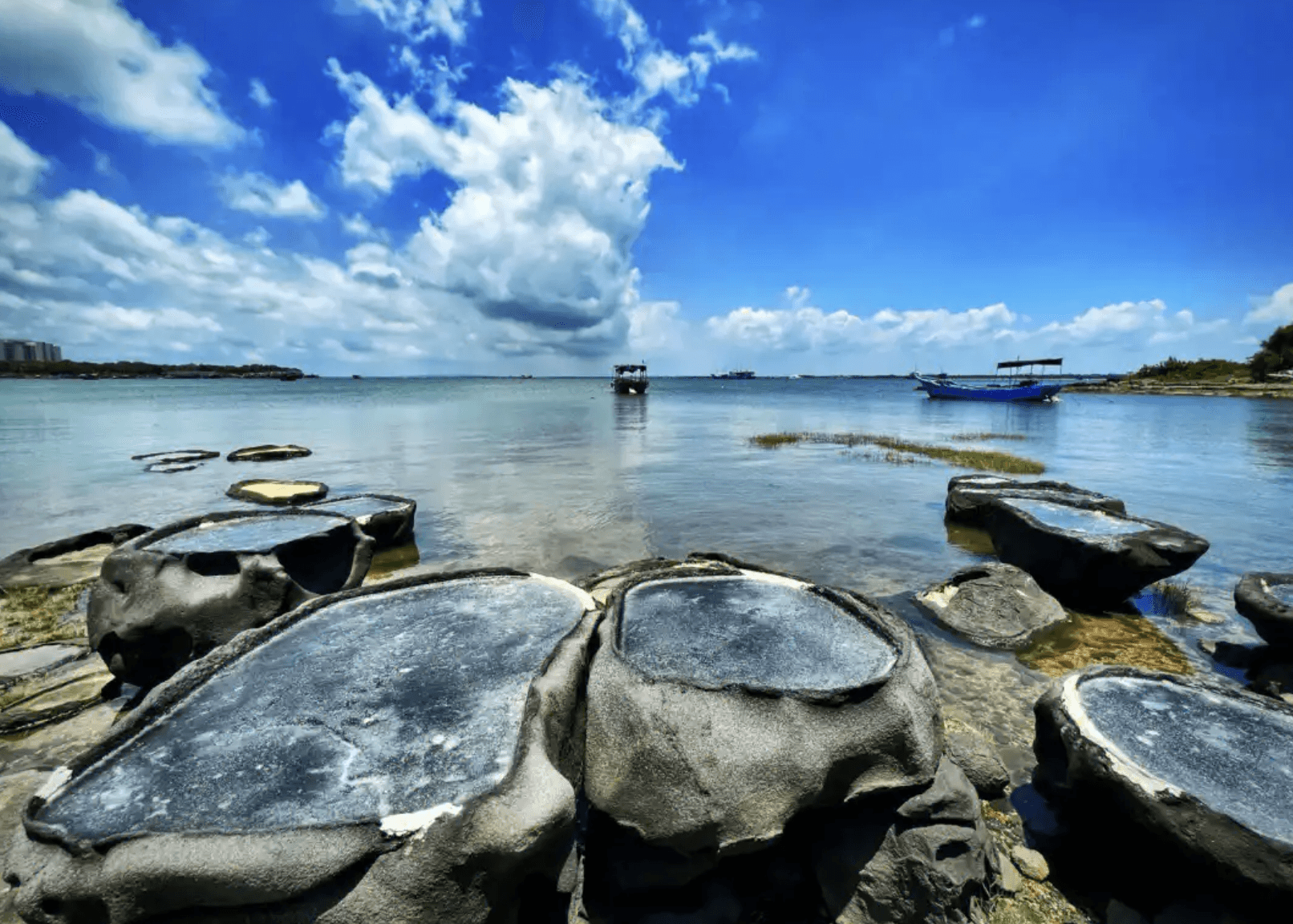
| Aug 12, 2026 | Fieldwork: Yangpu Port | Fieldwork: Millennium Ancient Salt Fields |
| Aug 13, 2026 | Fiedwork: Hainan Tropical Botanical Garden | Field Visit: Chinese Academy of Tropical Agricultural Sciences |
| Aug 14, 2026 | Lecture: Marine Ecosystems and Coastal Conservation | Fiedwork: Eman Volcano Coast & Longmen Surfing Waves |
| Aug 15, 2026 | Workshop: Academic Writing Methodology | Presentation & Feedback |
Morning (AM)
Introduction to Danzhou History & Anthropology
Afternoon (PM)
Fieldwork Methods & Project Grouping
Morning (AM)
Visit to Dongpo Academy
Afternoon (PM)
Fieldwork : Ocean Flower Island
Morning (AM)
Fieldwork: Yangpu Port
Afternoon (PM)
Fieldwork: Millennium Ancient Salt Fields
Morning (AM)
Fiedwork: Hainan Tropical Botanical Garden
Afternoon (PM)
Field Visit: Chinese Academy of Tropical Agricultural Sciences
Morning (AM)
Lecture: Marine Ecosystems and Coastal Conservation
Afternoon (PM)
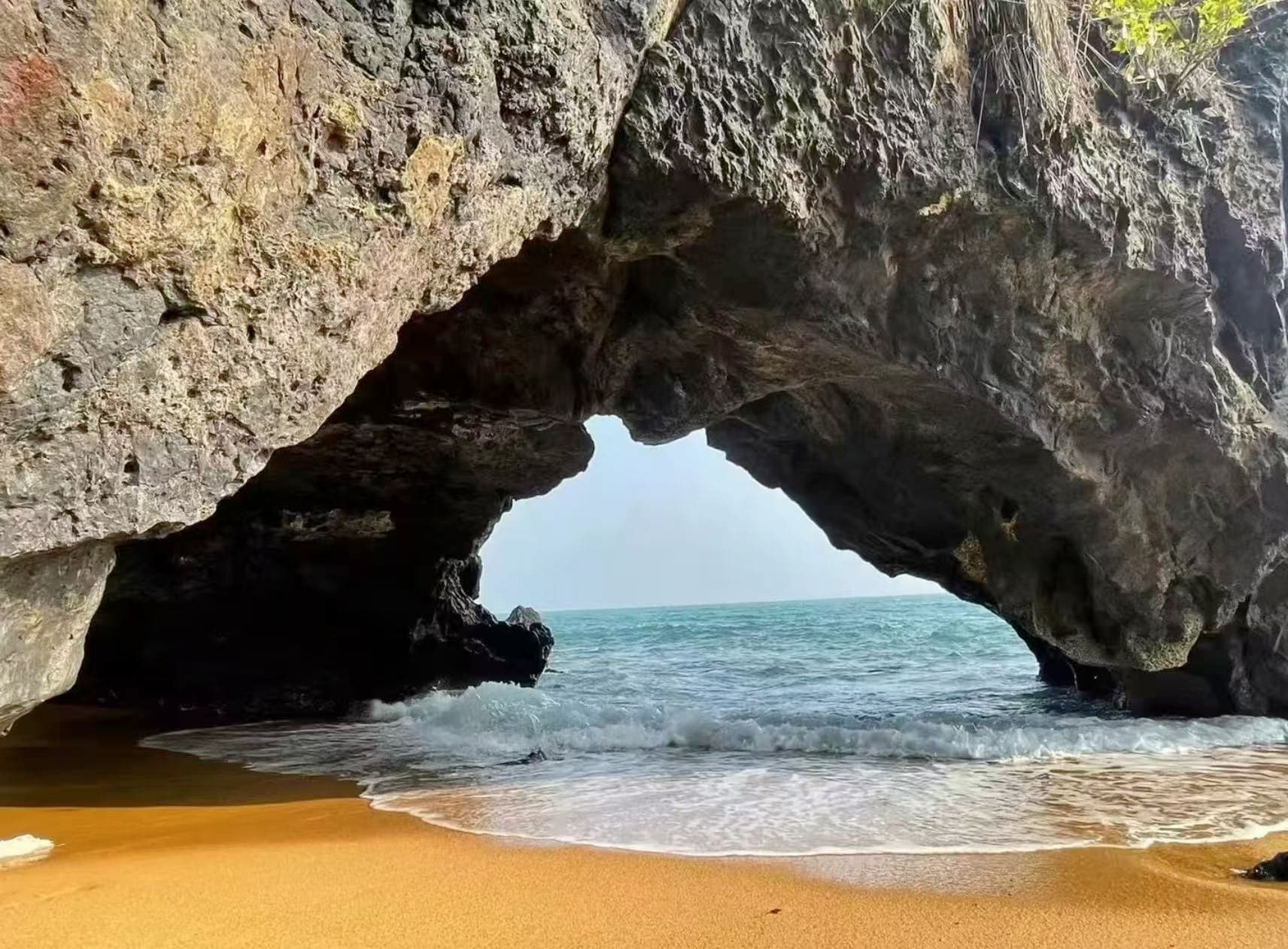
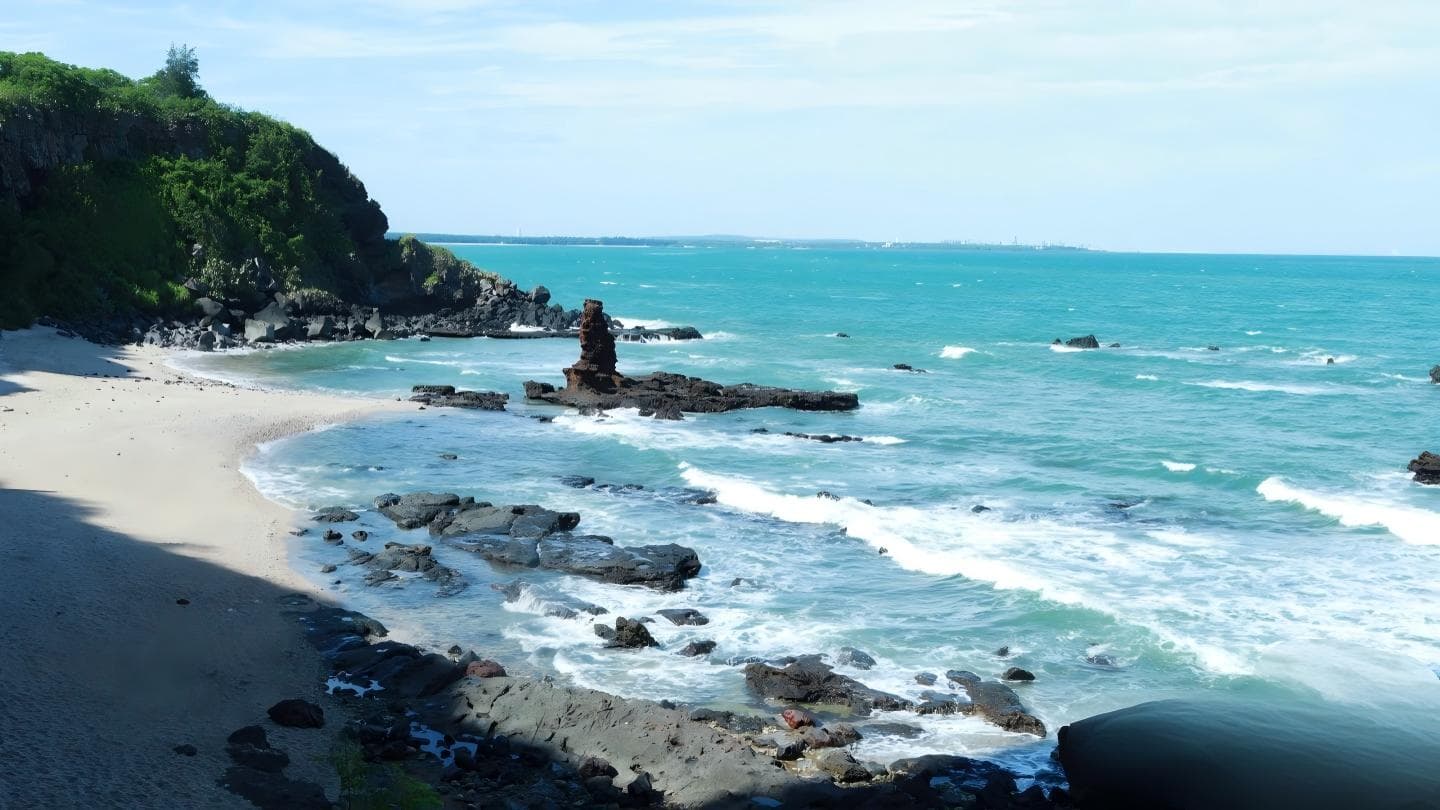
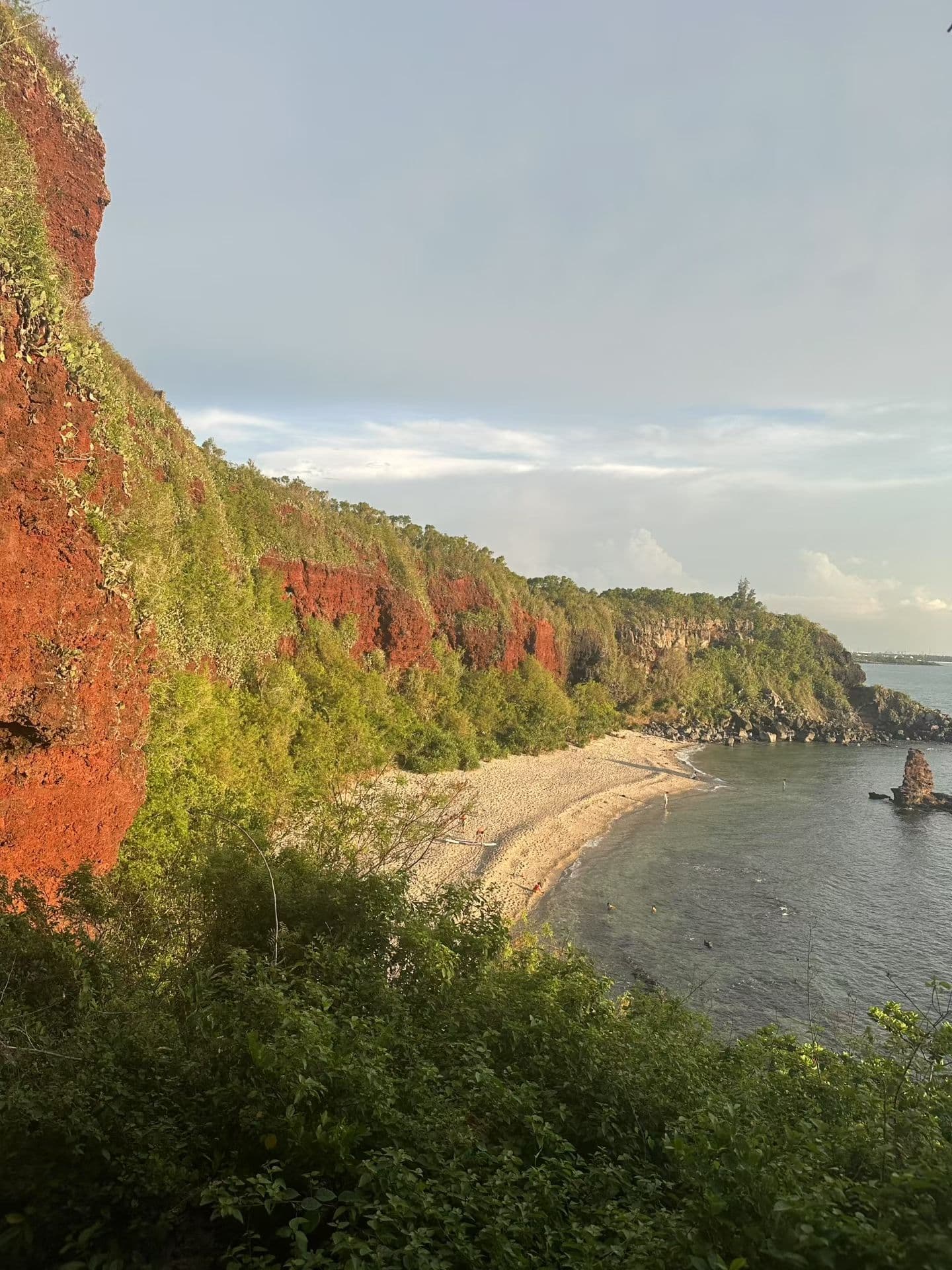
Fiedwork: Eman Volcano Coast & Longmen Surfing Waves
Morning (AM)
Workshop: Academic Writing Methodology
Afternoon (PM)
Presentation & Feedback
Hotel and Lodging
Overview
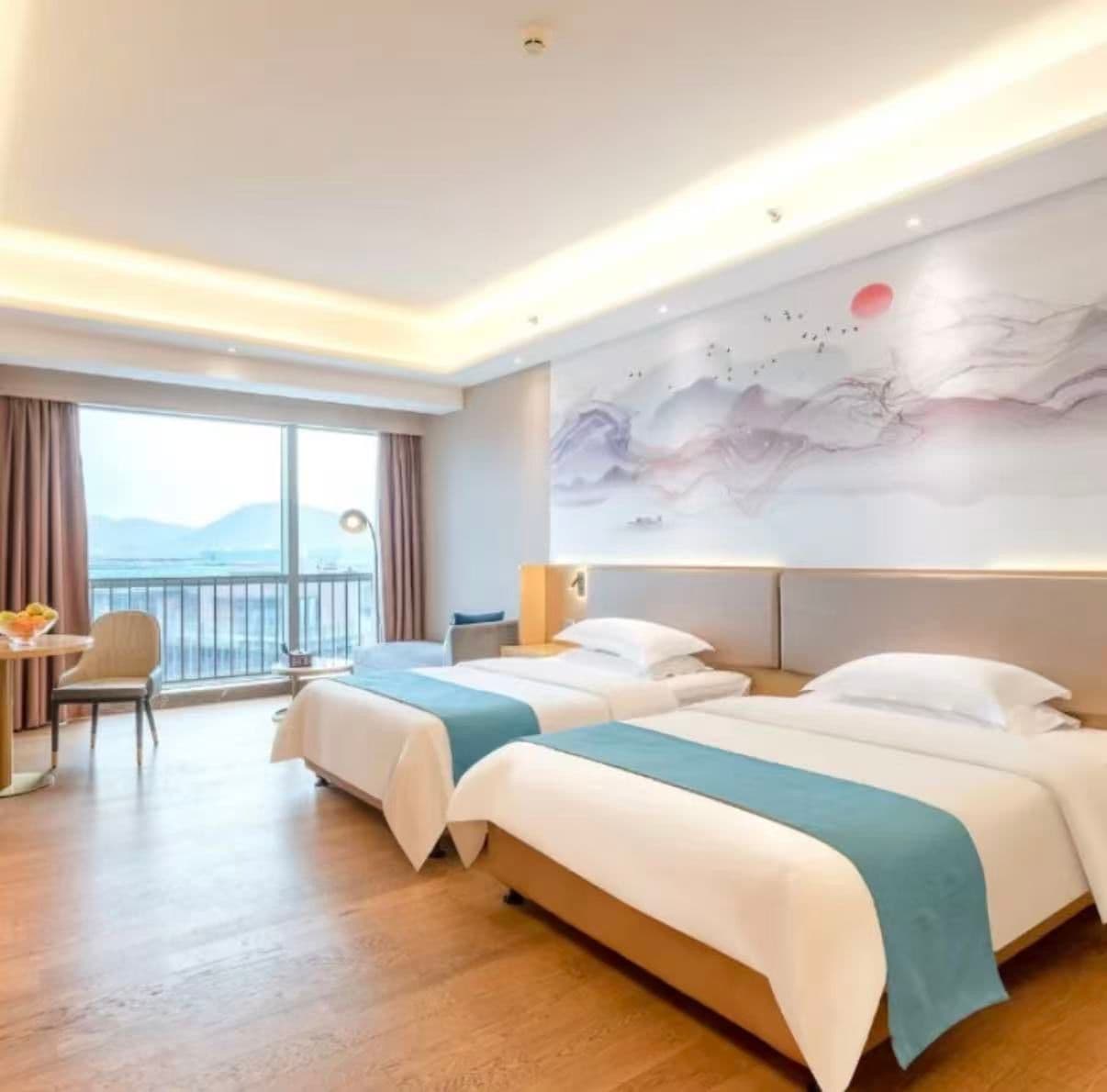
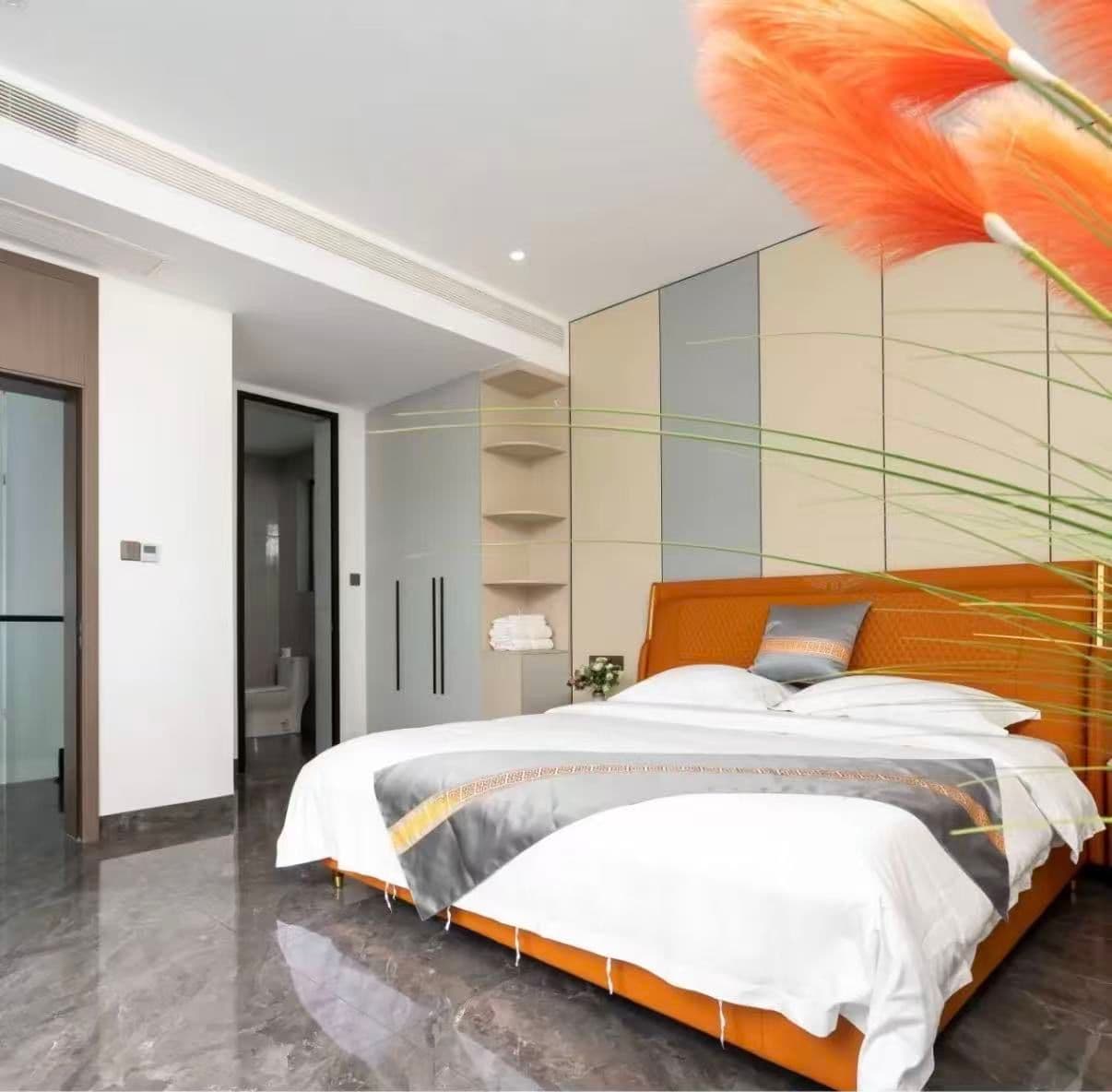
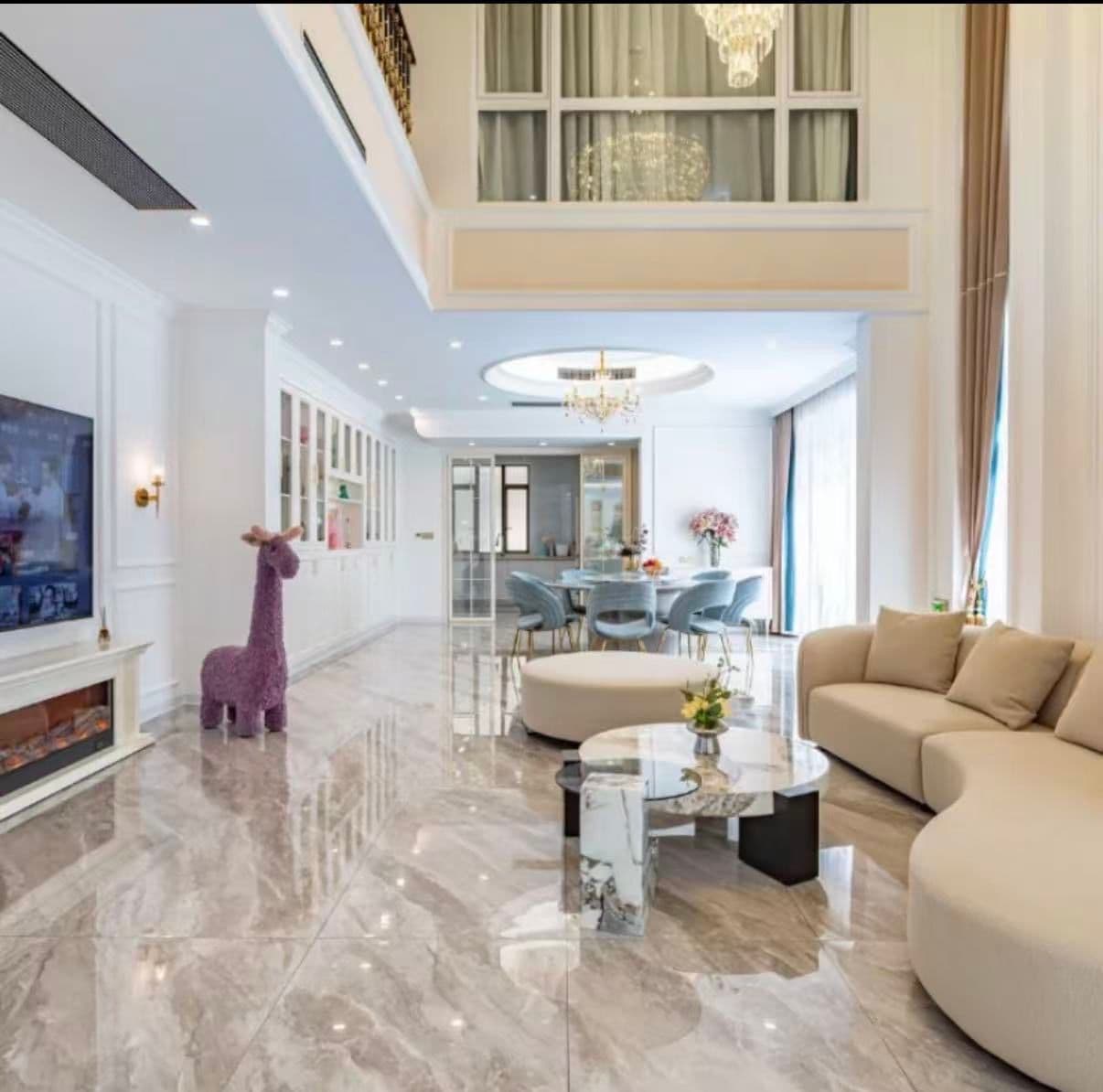
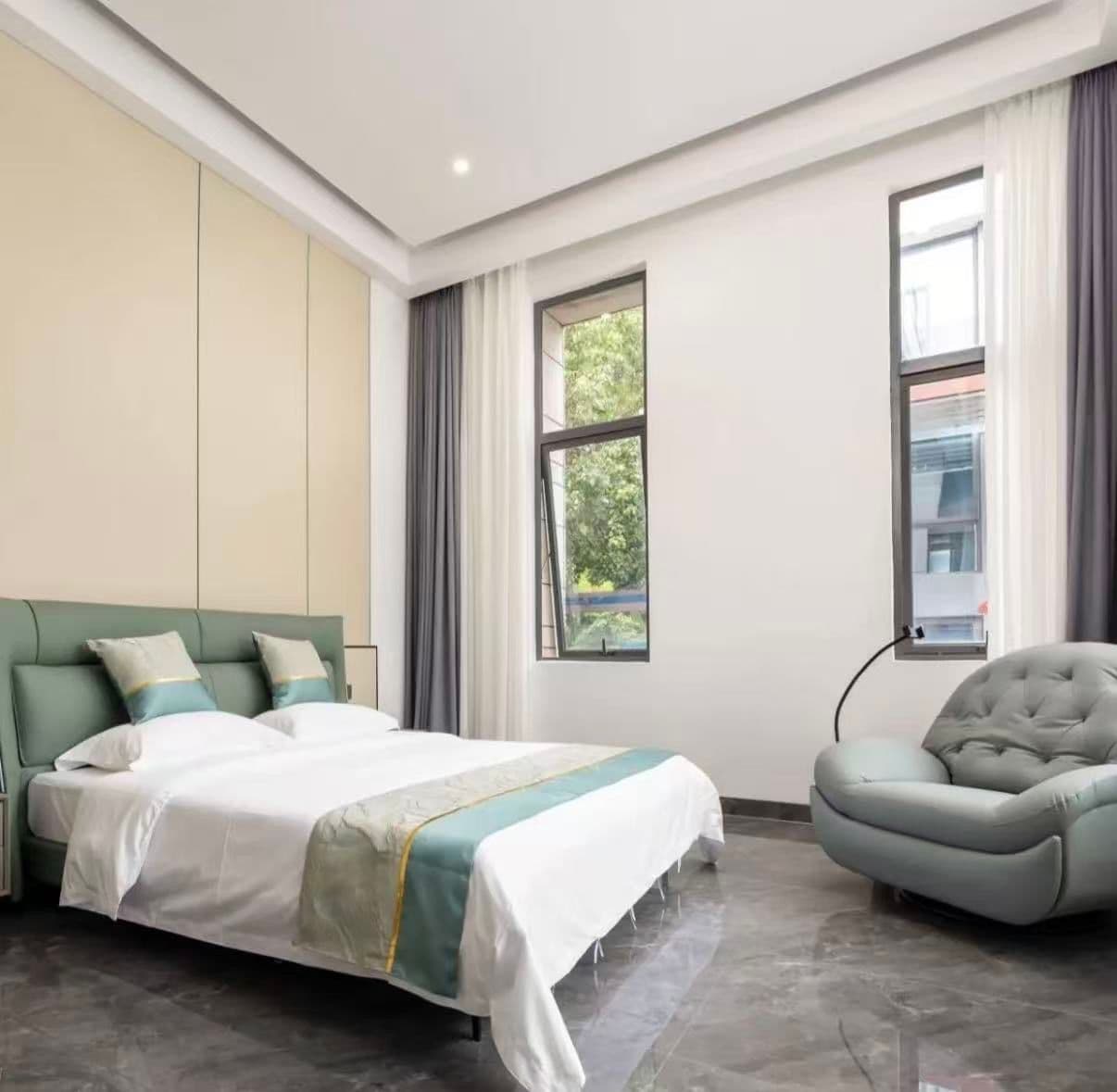
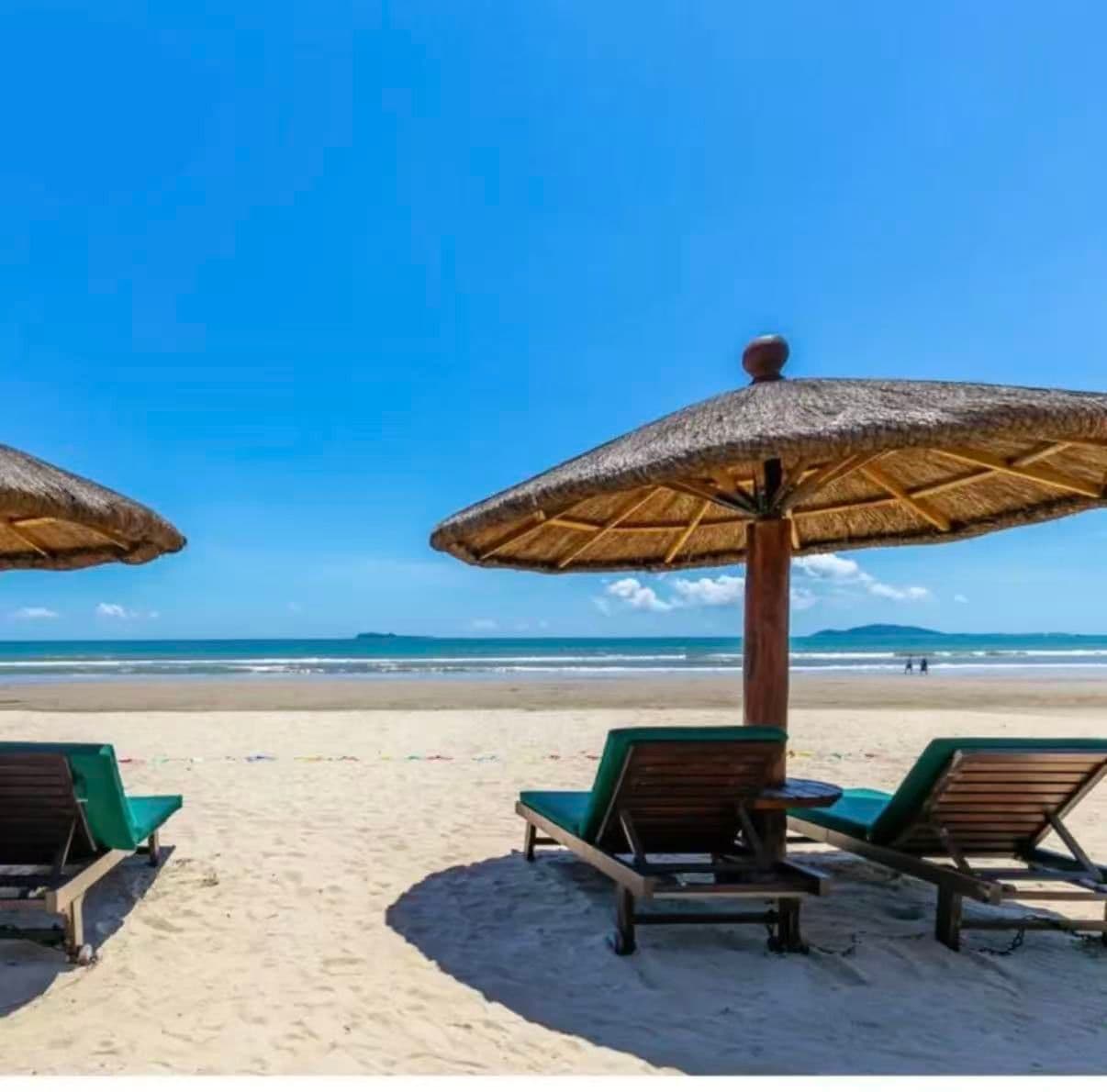
On Hainan’s Ocean Flower Island in Danzhou, students will enjoy a relaxed and comfortable island stay. During this program, we will mainly stay in villa-style homestays on the island. Compared with a standard hotel, this type of accommodation offers a stronger sense of shared living and connection, allowing students to unwind by the sea while also enjoying time for exchange、exploration, and rest.
Comfort & Facilities
The villa homestays are clean, cozy, and well-equipped with air conditioning, private bathrooms, 24-hour hot water, and other essential amenities to support daily life during the program. The spacious common areas also provide a natural setting for students to gather, talk, and live together.
A Shared Island Living Experience
Beyond comfort and convenience, what makes these homestays special is the island atmosphere they create.
Evening: As the sea breeze picks up and the island slows down, students can relax after a full day of activities and enjoy the calm, peaceful rhythm of island life.
Morning: Waking up to bright daylight and fresh air, students can begin each new day surrounded by the openness and ease that are unique to a tropical island.
Island Life Within Reach
Staying on Ocean Flower Island is not only about accommodation, but also about stepping into a different pace of life. It is a place for rest, for shared daily experiences, and for meaningful moments of observation and exchange—adding warmth and lasting memories to the program.

Travel Tips
Step 1: Arrival at Haikou (HAK) Your journey begins at Haikou Meilan International Airport (HAK). Upon arrival, you can reach Meilan Railway Station (directly connected to the airport) via the following routes:
- Terminal 1 (T1): Take the escalator next to Exit 2 in the arrivals hall, then walk through the underground passage for about 5–10 minutes to reach the Meilan Station waiting hall.
- Terminal 2 (T2): Walk via the B1-level high-speed rail passage, approximately 400 meters, taking about 5 minutes. Follow the in-station signs for “High-speed Railway / Meilan Station”; no need to exit the terminal to transfer.
Step 2: Purchase High-speed Railway Tickets
- Ticketing Locations: Ticket counters and self-service machines at the Meilan Station waiting hall. You can also book in advance via the 12306 Railway App, Alipay, or other online platforms.
- Destination: Make sure to select Danzhou Baima Well Station as your destination (the main high-speed rail station with more frequent trains).
- Tips: Keep your e-ticket or paper receipt for reimbursement. Double-check departure time, carriage, and seat number, and arrive at the station in advance to avoid delays.
Step 3: Coordination & Pick-up Services
- Free Station Pick-up: After booking your ticket, immediately send a photo of your ticket (including departure time and arrival station) or your estimated arrival time at Danzhou Railway Station to your assigned coordinator. Our team will meet you at the Danzhou Baima Well Station exit and provide free transport to the camp.
- Optional Paid Airport Pick-up: If you prefer staff to meet you directly at Meilan Airport and accompany you to Danzhou, please make a reservation in advance and pay the corresponding service fee.
📌 Friendly Reminders
- Please keep your mobile phone switched on and reachable at all times.
- Should you encounter any challenges at the ticketing counter or during transit, do not hesitate to call our Emergency Hotline immediately for assistance.