
Ningshan, Shaanxi
The Forest’s Thought: Multi-species Symbiosis and Ontological Fields in the Southern Qinling
Ningshan, nestled within the ecological folds of the southern Qinling Mountains, serves as more than a mere sanctuary for rare species like the Crested Ibis, Giant Panda, and Golden Takin. It is a vibrant convergence point of "non-human intelligence." As a primary cradle of China’s mushroom culture, the local populace has developed a sophisticated system of Local Ecological Knowledge (LEK) through long-term forest practices. Here, the forest is not a geographical barrier or a mere resource bank, but a living network teeming with semiotic exchange and emotional resonance.
From an anthropological perspective, the forest culture of Ningshan vividly responds to the ontological challenge posed by Philippe Descola in Beyond Nature and Culture. Within the experiential world of the Qinling communities, mushrooms and wildlife are not mere "objects," but "multi-species actors" endowed with interiority. The bodily perception of seasonal shifts and the olfactory recognition of fungal growth constitute a dialogue between "naturalism" and "analogism," challenging Western binary traditions and redefining nature as an inherent participant in communal life.
This wisdom of "living with uncertainty" finds a profound resonance in Anna Tsing’s The Mushroom at the End of the World. The mountains of Ningshan are not just sites of production under capitalist logic; they represent the "possibility of life in capitalist ruins" as described by Tsing. Fungal foraging transcends economic exchange; it is a cultural practice involving ecological sensing, intergenerational contracts, and "collaborative survival." Beneath the canopy of the Qinling, people learn to pick up life’s signals within an unpredictable ecosystem—a resilience that serves as a vital reference for humanity in facing global crises.
Furthermore, the theory of "Anthroposemiosis" (beyond-human semiotics) proposed by Eduardo Kohn in How Forests Think provides a philosophical foundation for understanding the interaction between Ningshan’s people and the forest. Through rituals of mountain worship, logging taboos, and the tracking of animal traces, the forest is recognized as a "thinking subject." The forest ceases to be a scrutinized landscape and becomes a thinking system. Through ritual restraint and heightened perception, locals engage in a cross-species dialogue, reflecting a deep respect for the thinking boundaries of non-human life.
This season’s theme, "Echoes of the Forest," aims to guide students into the heart of the Ningshan field sites. Utilizing methods of ethnography, multi-species investigation, and participant observation, we will explore:
- Tracking Non-human Subjectivity: Applying Kohn’s theory to discern how the forest acts as a "thinking subject" in the construction of local social meaning.
- The Cultural Logic of Symbiosis: Drawing on Anna Tsing’s perspective to investigate the survival wisdom behind mushroom foraging and its overflow beyond capitalist logic.
- Translating Ecological Ethics: Within Descola’s framework, rethinking the boundaries between "human and nature" in protected areas to explore a future path that integrates local knowledge with modern conservation.
This is not merely a research trek through the folds of the Qinling Mountains; it is a philosophical meditation on how humanity might rediscover the wisdom of survival within a modern forest where "all things think."

Panda in Qing Mountain

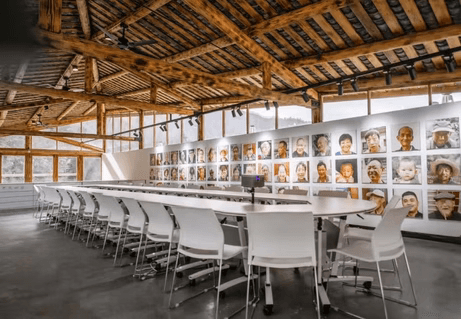
Relax Valley of Fishing Bay
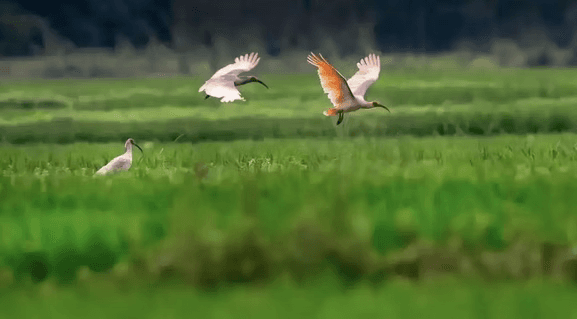
Crested Ibis in the Wild
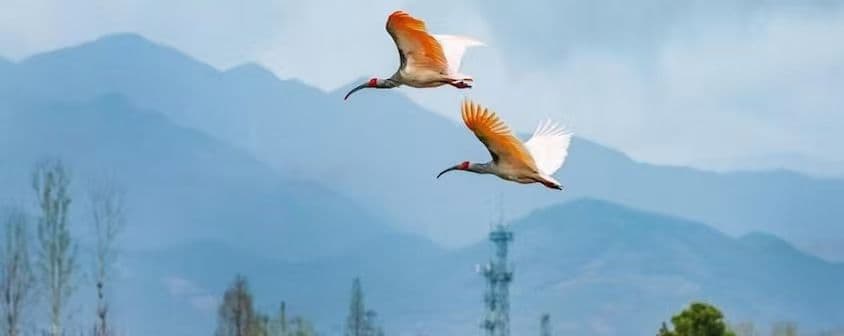
Flying Red Ibis
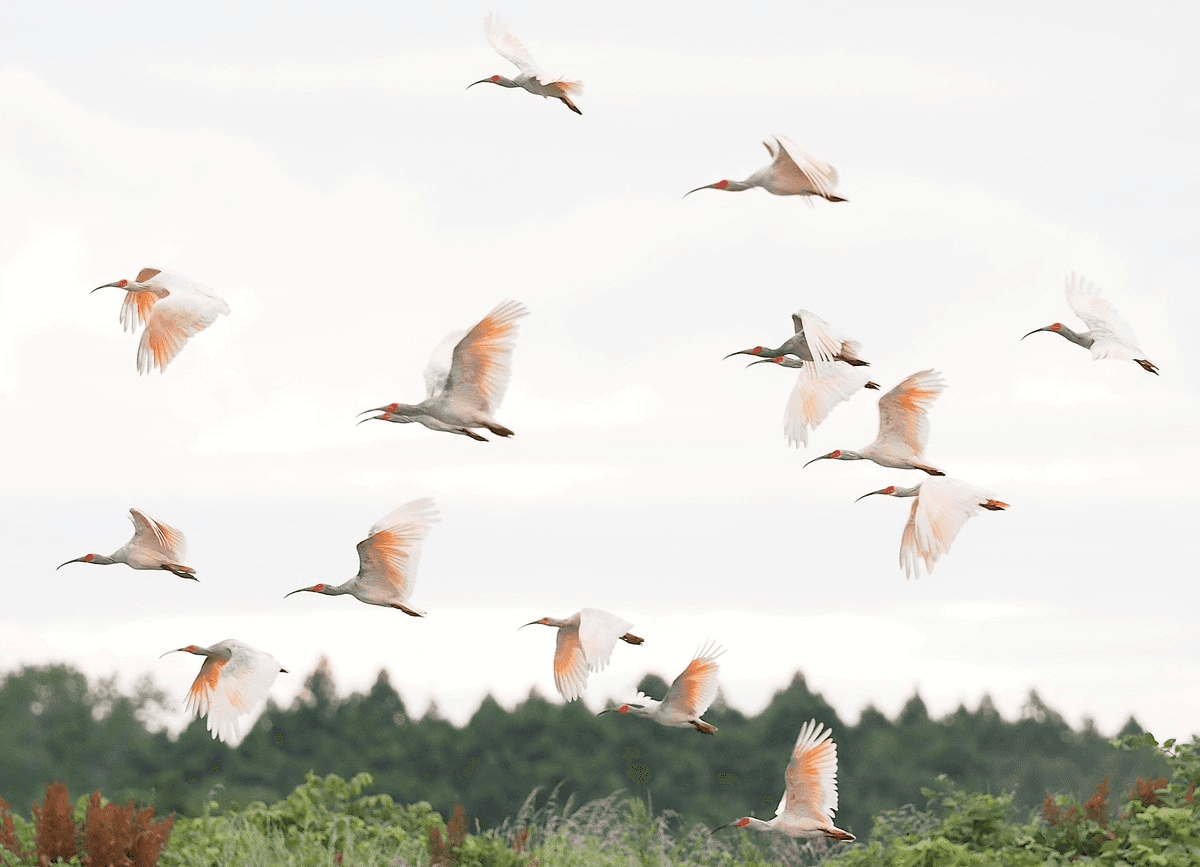
Flying Red Ibis
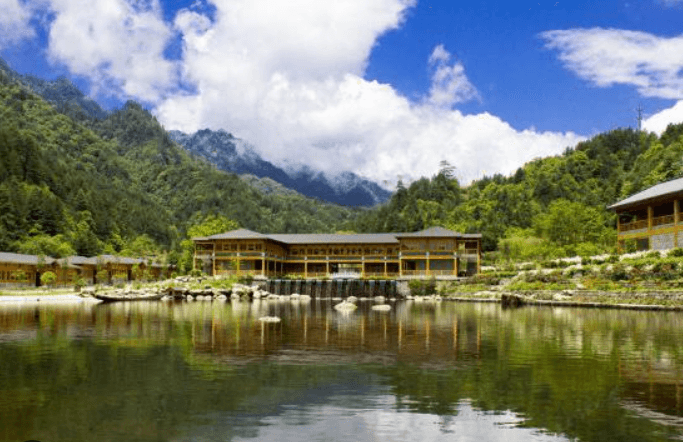
ShangHeBa Forest Park
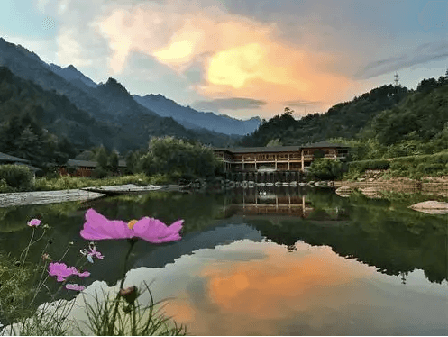
ShangHeBa Forest Park
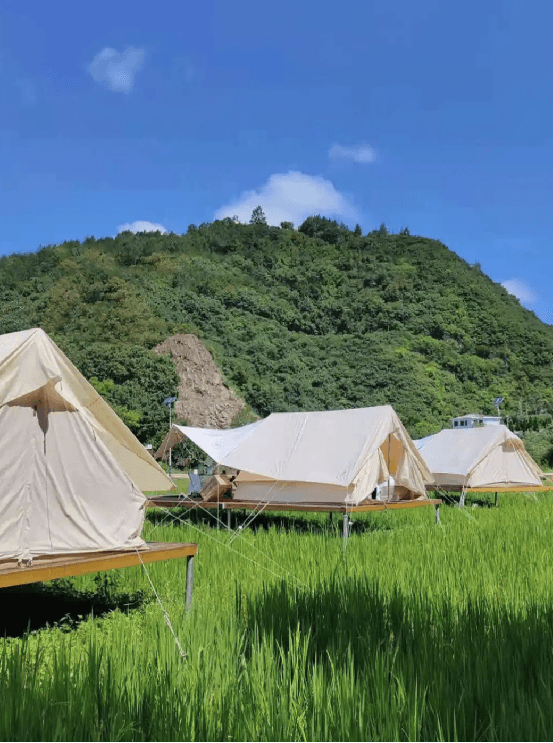
LuZhai Camp Site
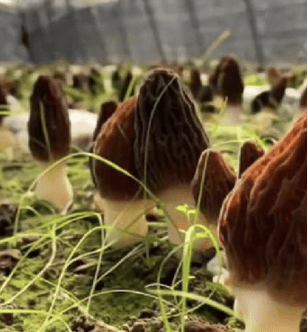
QingLongYa Mashroom Town
Camp Schedule
Schedule may be subject to minor modifications due to local weather, mentor's calendar conflicts, or other unforeseen circumstances.
| Date | Morning (AM) | Afternoon (PM) |
|---|---|---|
| Jul 20, 2026 | Qinling Ecological Overview and Field Research Methods | Visit to the Ningshan High School Specimen Museum |
| Jul 21, 2026 | Tour of Shangbahe National Forest Park | Fieldwork:Huoditang Experimental Forest Farm of NWAFU |
| Jul 22, 2026 | Guided Reading: The Mushroom at the End of the World | Fieldwork:Qinglongya Shiitake Mushroom Town |
| Jul 23, 2026 | Lecture — The Migration of Cormorants: How Should We Coexist with Nature? | Fieldwork: Crested Ibis Wild Release Base in Qinling |
| Jul 24, 2026 | Field work: Gateway Communities of Qinling National Park | Fieldwork:Yuwan Yigu, Ningshan County |
| Jul 25, 2026 | Workshop on Thesis Writing Methods | Presentation & Feedback |
Morning (AM)
Qinling Ecological Overview and Field Research Methods
Afternoon (PM)
Visit to the Ningshan High School Specimen Museum
Morning (AM)
Tour of Shangbahe National Forest Park
Afternoon (PM)
Fieldwork:Huoditang Experimental Forest Farm of NWAFU
Morning (AM)
Guided Reading: The Mushroom at the End of the World
Afternoon (PM)
Fieldwork:Qinglongya Shiitake Mushroom Town
Morning (AM)
Lecture — The Migration of Cormorants: How Should We Coexist with Nature?
Afternoon (PM)
Fieldwork: Crested Ibis Wild Release Base in Qinling
Morning (AM)
Field work: Gateway Communities of Qinling National Park
Afternoon (PM)
Fieldwork:Yuwan Yigu, Ningshan County
Morning (AM)
Workshop on Thesis Writing Methods
Afternoon (PM)
Presentation & Feedback
Hotel and Lodging
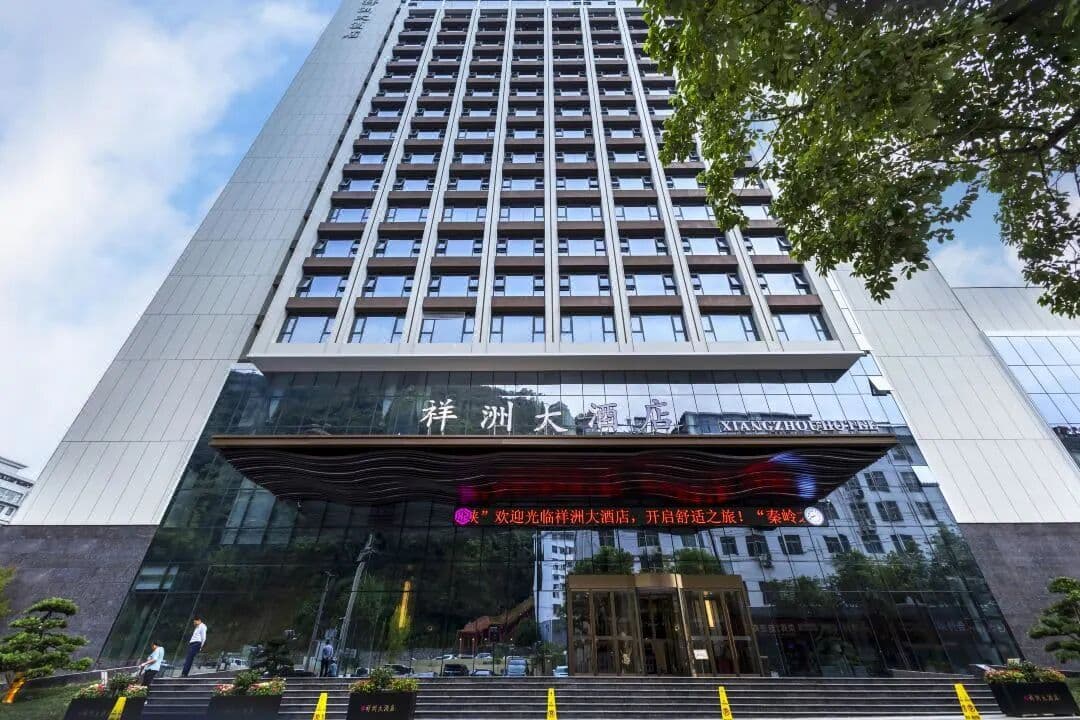
Overview Experience the premier hospitality of Ningshan at the Xiangzhou Grand Hotel. As the county’s most well-equipped and comfortable destination, we offer a refined stay where modern amenities meet the soul of the mountains.
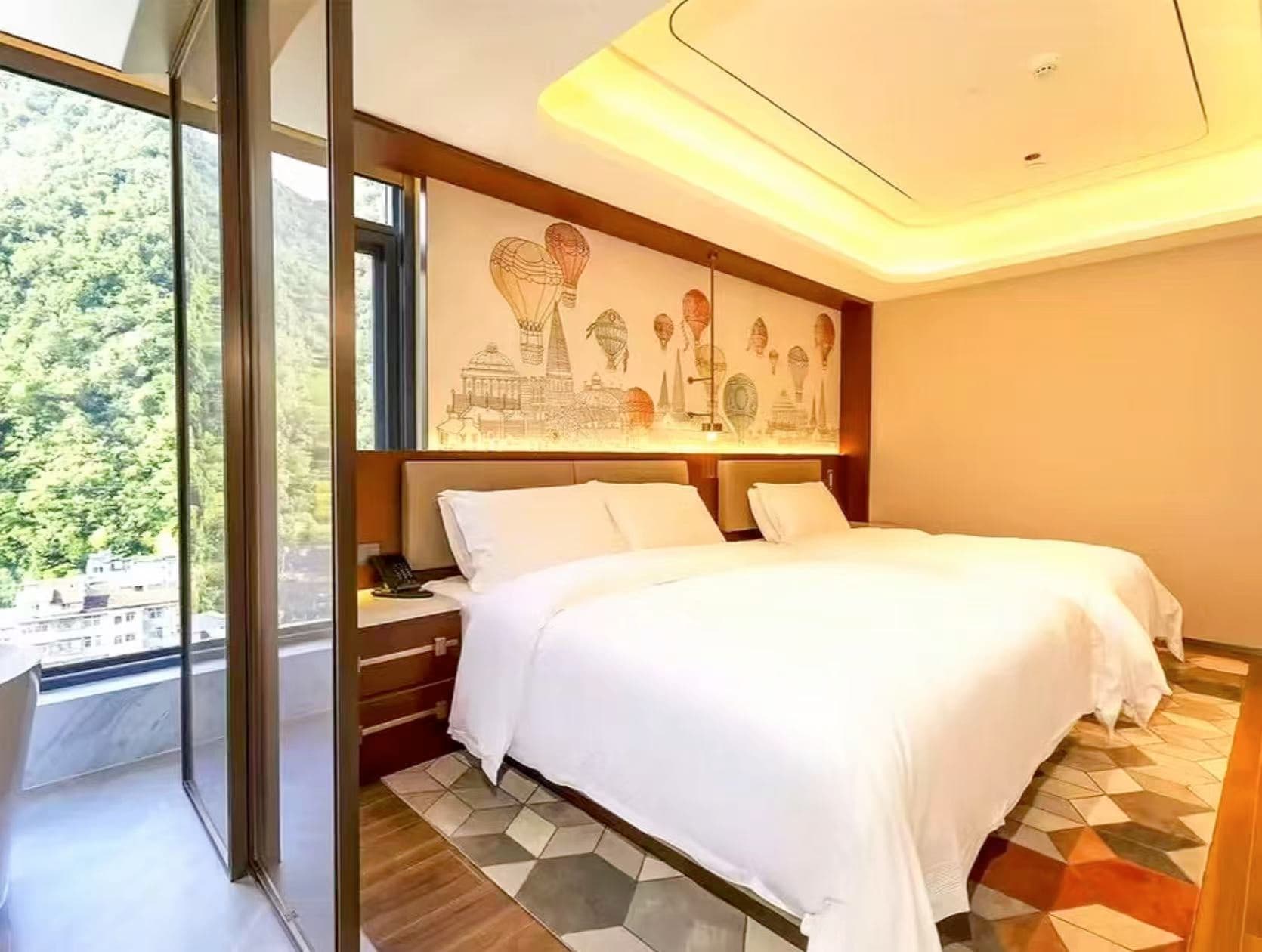
Comfort & Amenities Our standard double rooms are designed for ultimate relaxation, featuring full air conditioning, 24-hour hot water, and plush, oversized beds to ensure a restful night’s sleep.
The "Mountain Living" Experience Beyond the physical comfort, the true charm of Xiangzhou lies in its connection to the wild.
- By Night: Open your window to a symphony of cicadas and a sky overflowing with stars, as cool mountain breezes lull you into a deep slumber.
- By Morning: Wake to the gentle call of birds and a landscape draped in misty clouds—a living, breathing Chinese ink wash painting right outside your pane.
Nature at Your Doorstep Adventure begins at our entrance. Step out onto the 10-kilometer Qinling Foothill Ecological Trail, where a leisurely walk brings you face-to-face with the pristine beauty of nature.


Travel Tips
Step 1: Arrival at Xi'an (XIY) Your journey begins at Xi'an Xianyang International Airport (XIY). Upon clearing customs and baggage claim, please follow the signs for "Long Distance Bus" or "Intercity Bus."
Step 2: Securing Your Bus Ticket
- Ticketing Hub: Locate the "Airport Intercity Bus" counter situated inside the terminal.
- Destination: Request a ticket specifically for "Ningshan County" (Please double-check that the destination is Ningshan).
- Pro Tip: Take a quick photo of your ticket as soon as you purchase it for easy sharing.
Step 3: Coordination & Pick-up Services
- Complimentary Station Transfer: Once you have secured your ticket, please immediately forward the ticket details and estimated arrival time to our program coordinator. We will arrange a free pick-up at the Ningshan County Bus Station to transport you to the camp.
- Premium Airport Meet & Greet (Paid): If you prefer a staff member to meet you directly at the airport arrival gate and escort you to the camp, please make a reservation in advance. A separate service fee will apply for this premium option.
📌 Friendly Reminders
- Please keep your mobile phone switched on and reachable at all times.
- Should you encounter any challenges at the ticketing counter or during transit, do not hesitate to call our Emergency Hotline immediately for assistance.