
Quanzhou, Fujian
The Mirage of Zayton: A Field Experiment on "Generalized Humanities"
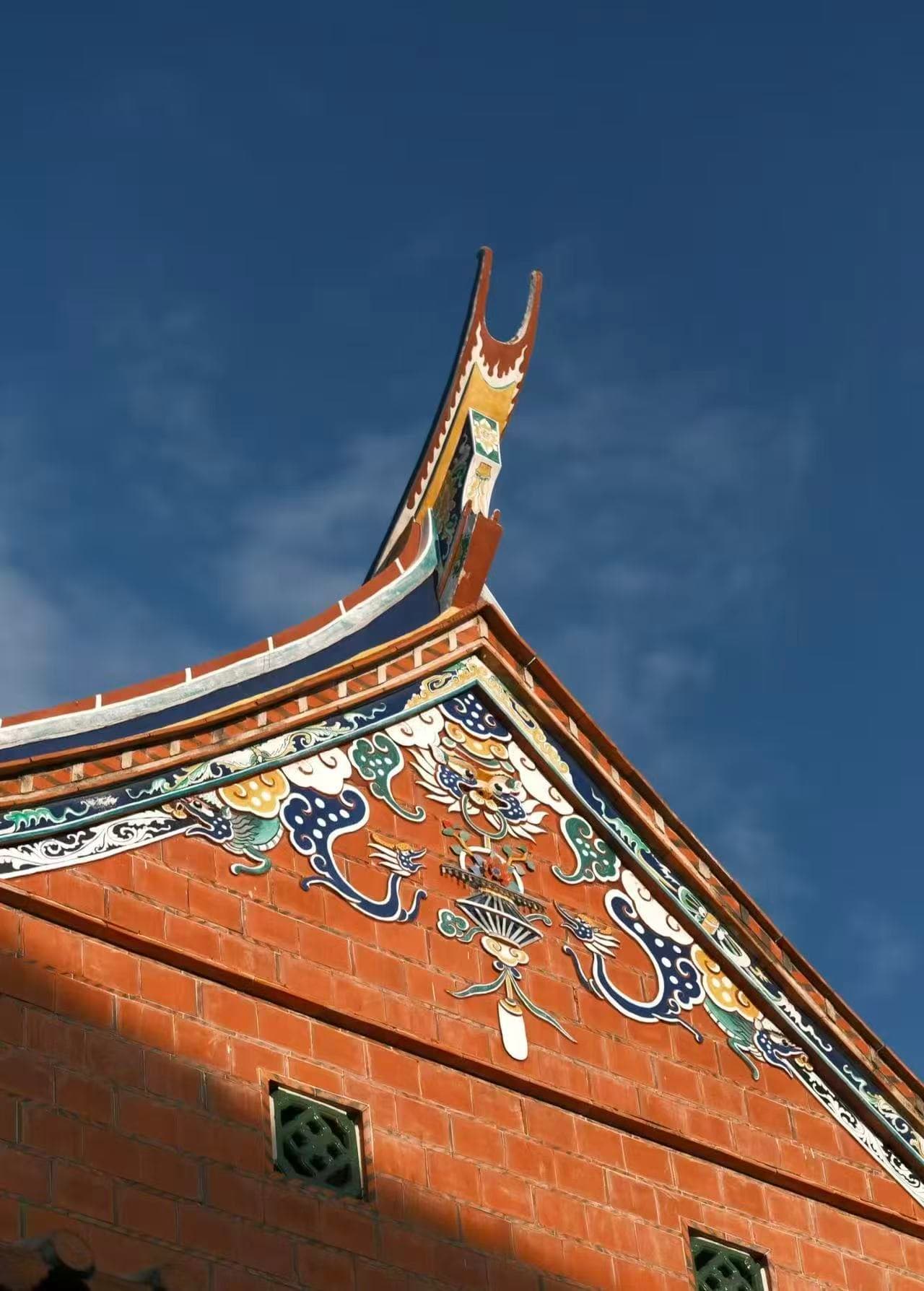
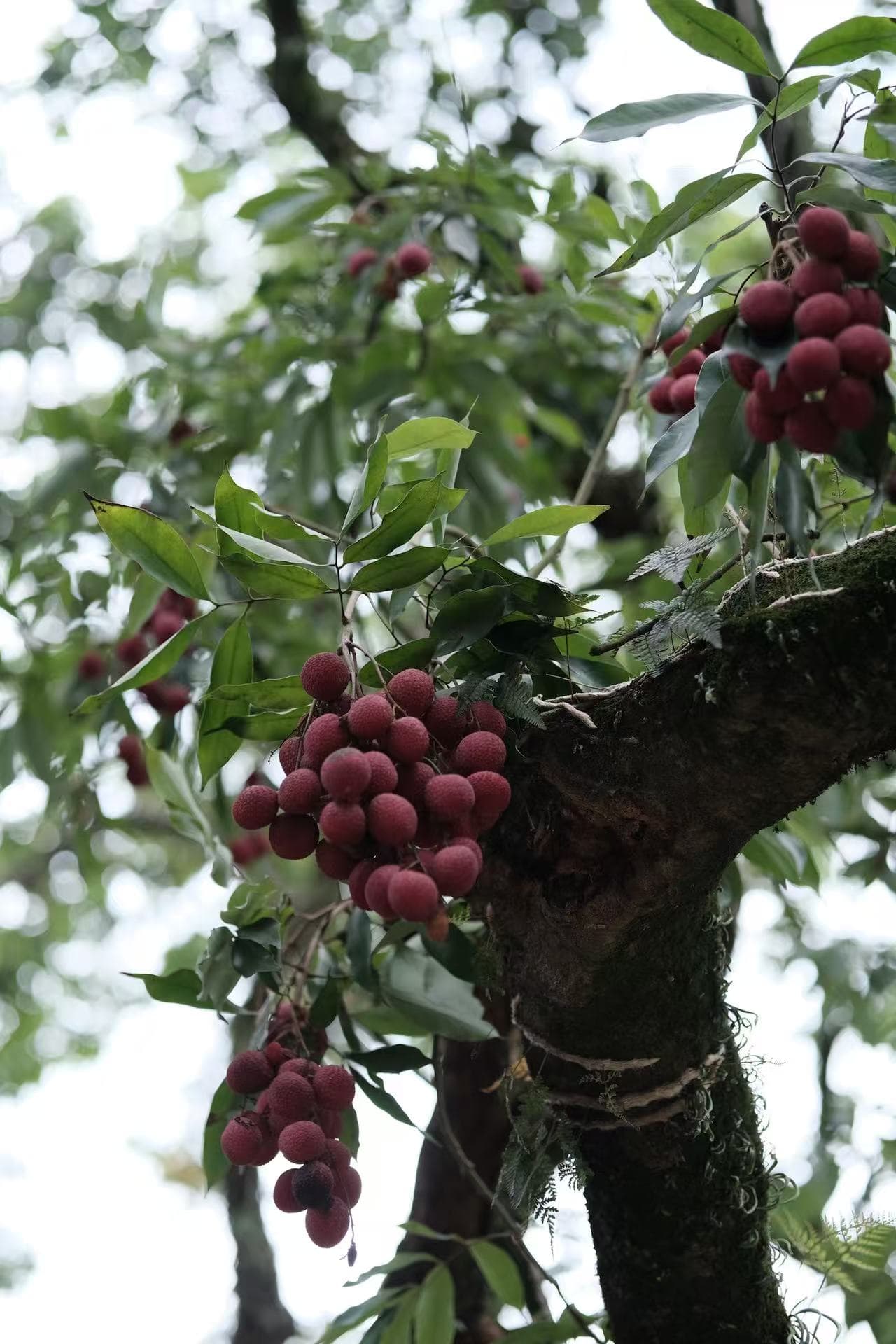
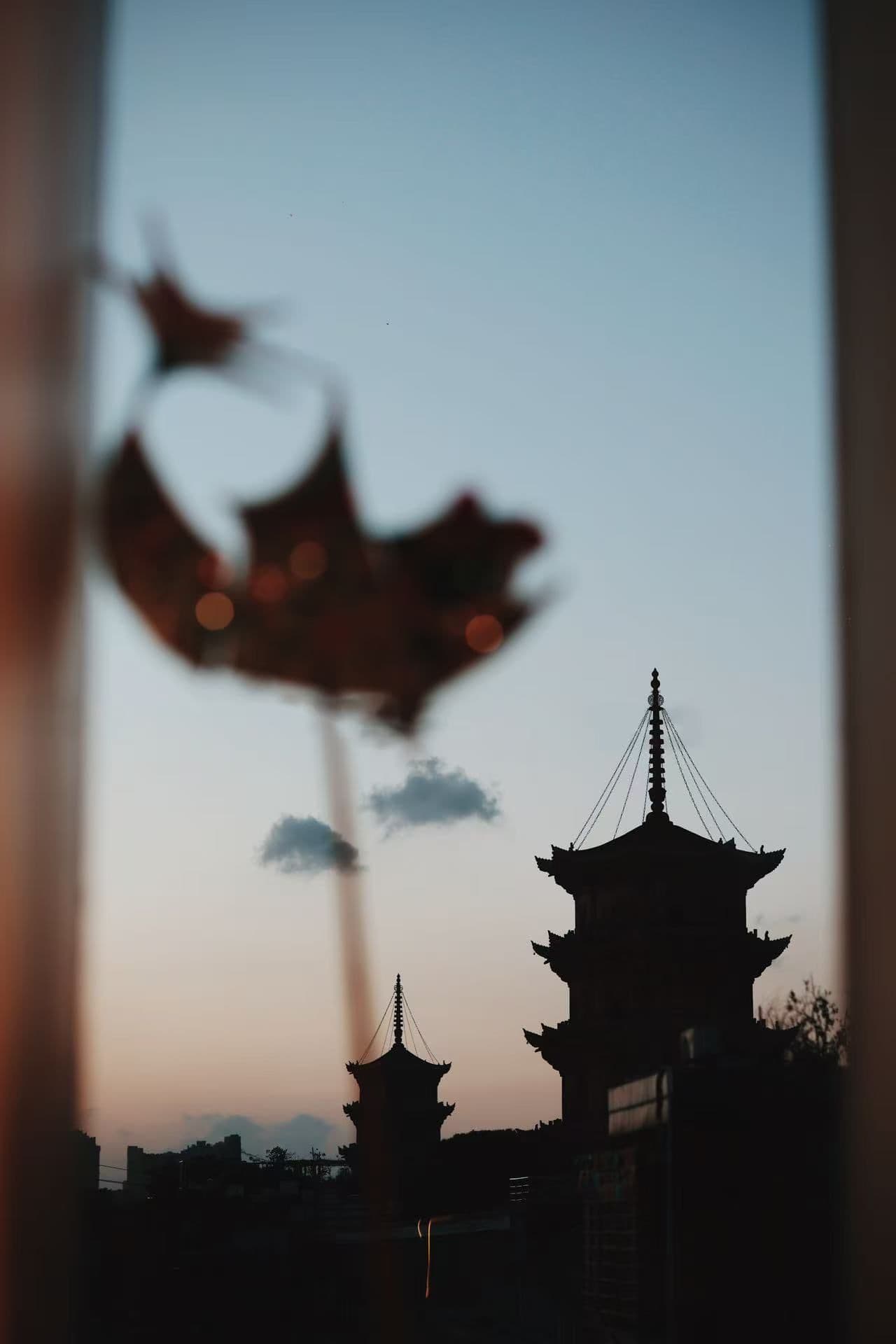
"Zayton" (the Coral Tree City)—a symbol that gleamed across the medieval world in the journals of Marco Polo—derived its name from the coral trees (Erythrina variegata) planted extensively by Liu Congxiao during the Five Dynasties period. It is more than a mere geographical marker of Quanzhou’s status as the "Greatest Port of the East"; it serves as a powerful metaphor for Materiality. The fiery red blossoms once acted as a terrestrial lighthouse for mariners, symbolizing the profound entanglement between foreign civilizations and the local red-brick soil, constructing Quanzhou’s primordial imagination of globalization.
From an anthropological perspective, Quanzhou is not merely a sedimentary rock of history but a living "laboratory of civilization." Here, social practice manifests what Wang Mingming advocates as "Generalized Humanities" (Guangyi Renwen Guanxi). This framework transcends the narrow "human-to-human" scope of modern secular society, integrating deities, ancestors, and even the "others" of the netherworld into the network of social interaction. In the Quanzhou cosmology, community boundaries are fluid; through ritual and daily sacrifice, the living and the dead, the human and the spectral, together construct a "Supra-social System."
The British anthropologist Stephan Feuchtwang, through his profound insights into Minnan folk beliefs, interprets these relationships as the production of "Ling" (Charismatic Efficacy) and "Imperial Metaphors." Within the intricate labyrinth of Quanzhou’s alleys and temples, deities are not just supernatural protectors but spiritual cornerstones of local moral order and community identity. As Feuchtwang points out, by interacting with and "settling" spirits and ghosts, the populace established a cultural logic of justice, reciprocity, and "uncertainty management" amidst the volatile life of the maritime frontier.
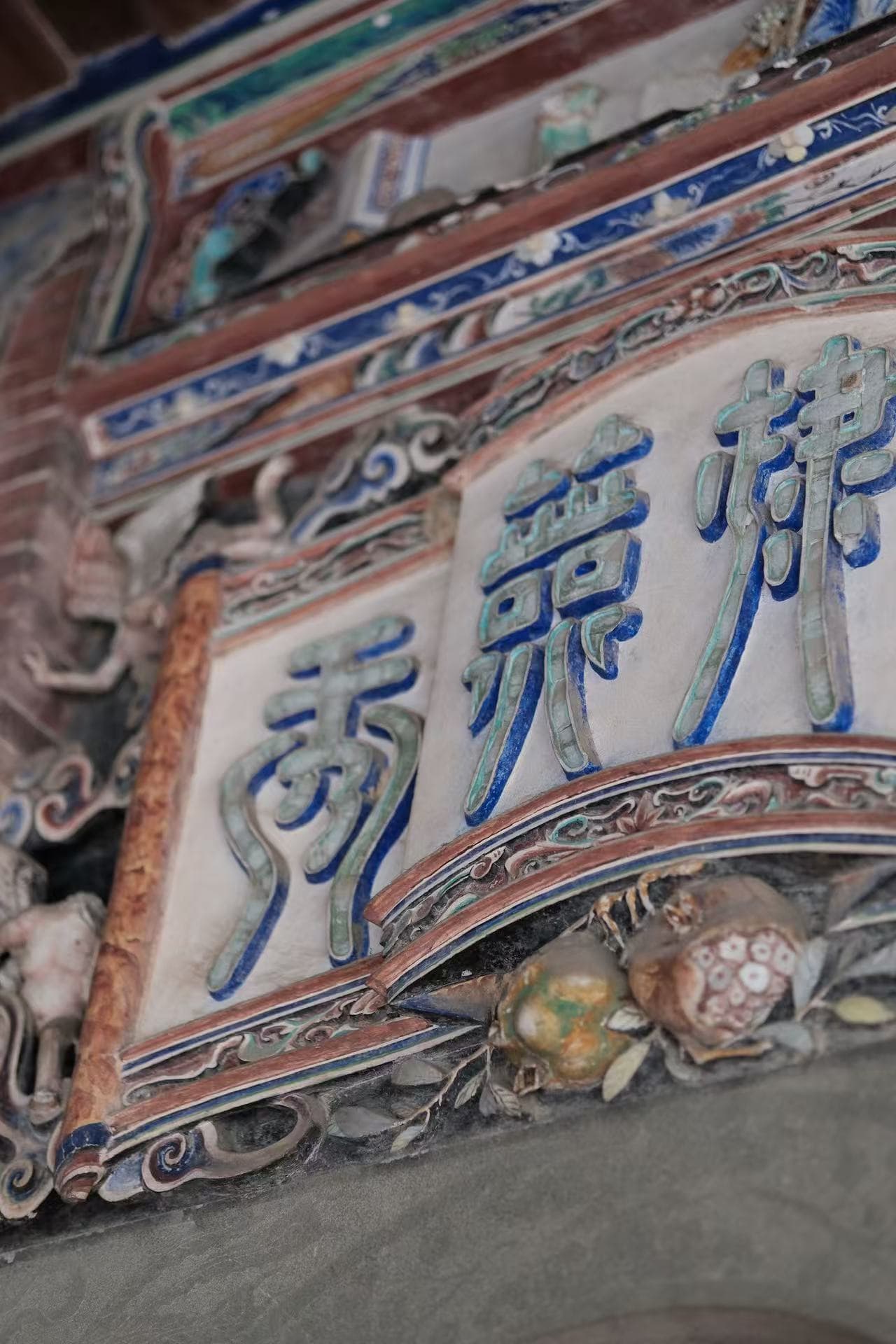
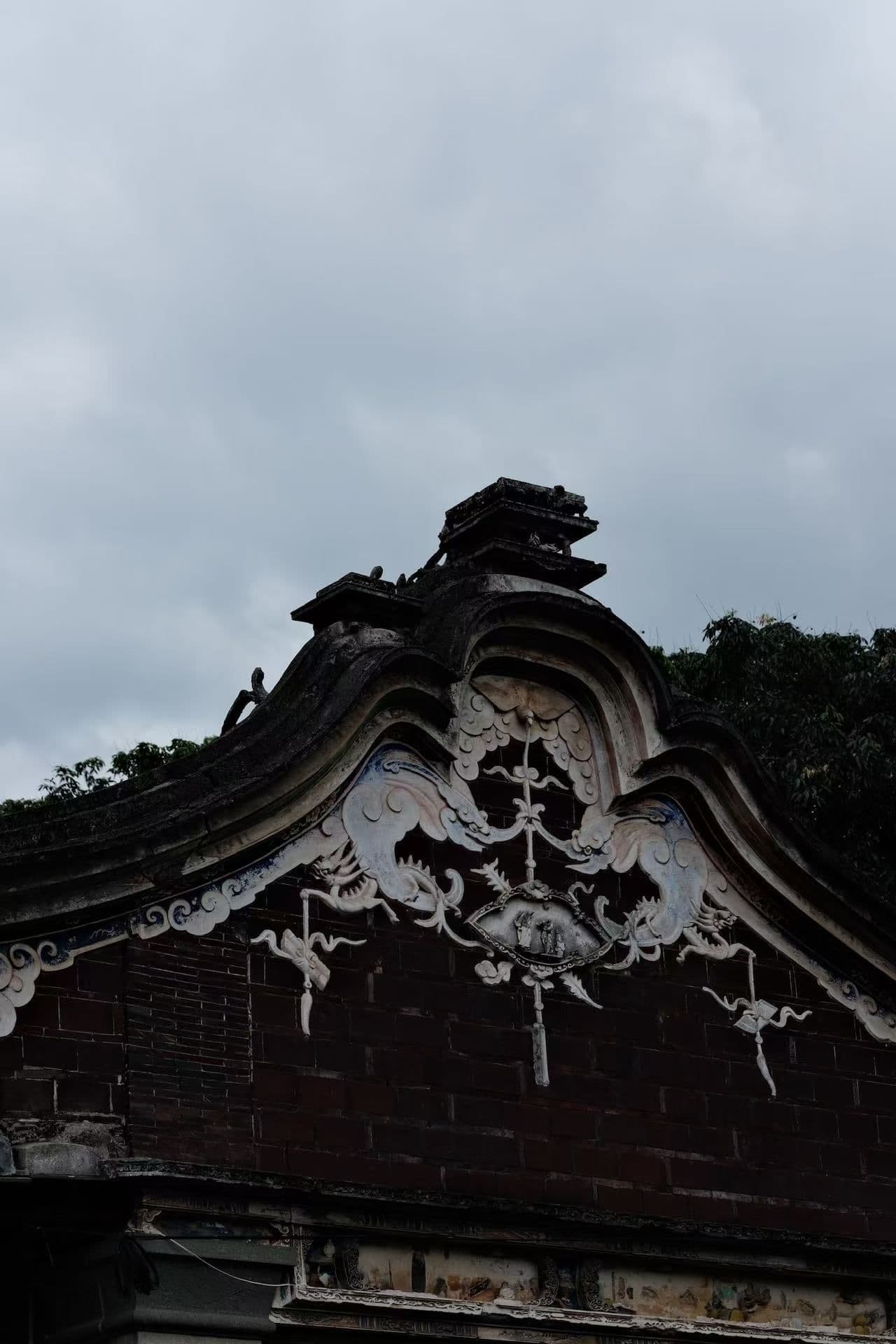
Regarding the contemporary landscape of Quanzhou as a UNESCO World Heritage site, the theories of Michael Rowlands provide a critical entry point. Rowlands emphasizes that heritage is not a collection of cold monuments, but a "symbiotic relationship between objects and people." The stone pagodas, ancient bridges, and wood carvings blackened by incense smoke are all material media linking social relations in the Rowlandsian sense. The vitality of heritage lies not in its frozen physical state, but in its role as a carrier of "generalized humanities," continuously generating affect and meaning in contemporary life.
This season’s theme, "Echoes of Zayton," aims to guide students into the heart of Quanzhou’s field sites. Utilizing methods of spatial ethnography, material culture analysis, and participant observation, we will explore the following within specific spatio-temporal coordinates:
- The Everydayness of the Supra-social System: Tracing the "human-spirit interactions" described by Wang Mingming to observe how spiritual forces intervene in contemporary community governance.
- The Spatio-temporal Geography of Efficacy: Examining Feuchtwang’s "Imperial Metaphors" to find cultural resonances spanning a millennium within the ruins of the ancient port.
- Material Narratives of Heritage: Drawing on Rowlands’ perspective to investigate how the stone and timber of the Coral City serve as intermediaries, linking global history with local existential wisdom.
This is not merely a research journey through a thousand-year-old port; it is a philosophical meditation unfolding between red bricks and ocean waves, contemplating how humanity situates the sacred and the historical.

Camp Schedule
Schedule may be subject to minor modifications due to local weather, mentor's calendar conflicts, or other unforeseen circumstances.
| Date | Morning (AM) | Afternoon (PM) |
|---|---|---|
| Aug 3, 2026 | Introduction to Quanzhou Culture & Anthropology | Visit the Quanzhou Museum of Overseas Transportation History |
| Aug 4, 2026 | Fieldwork: Shenhu Ancient Street & Maritime Beliefs | Fieldwork: Tianhou Temple and Mazu Belief |
| Aug 5, 2026 | Fieldwork: Red Brick & Brick Carving | Fieldwork: Intangible Cultural Heritage“Jin-Cang Embroidery” |
| Aug 6, 2026 | Activity: Appreciating String Puppetry Performance | Interviews: Lineage & Heritage |
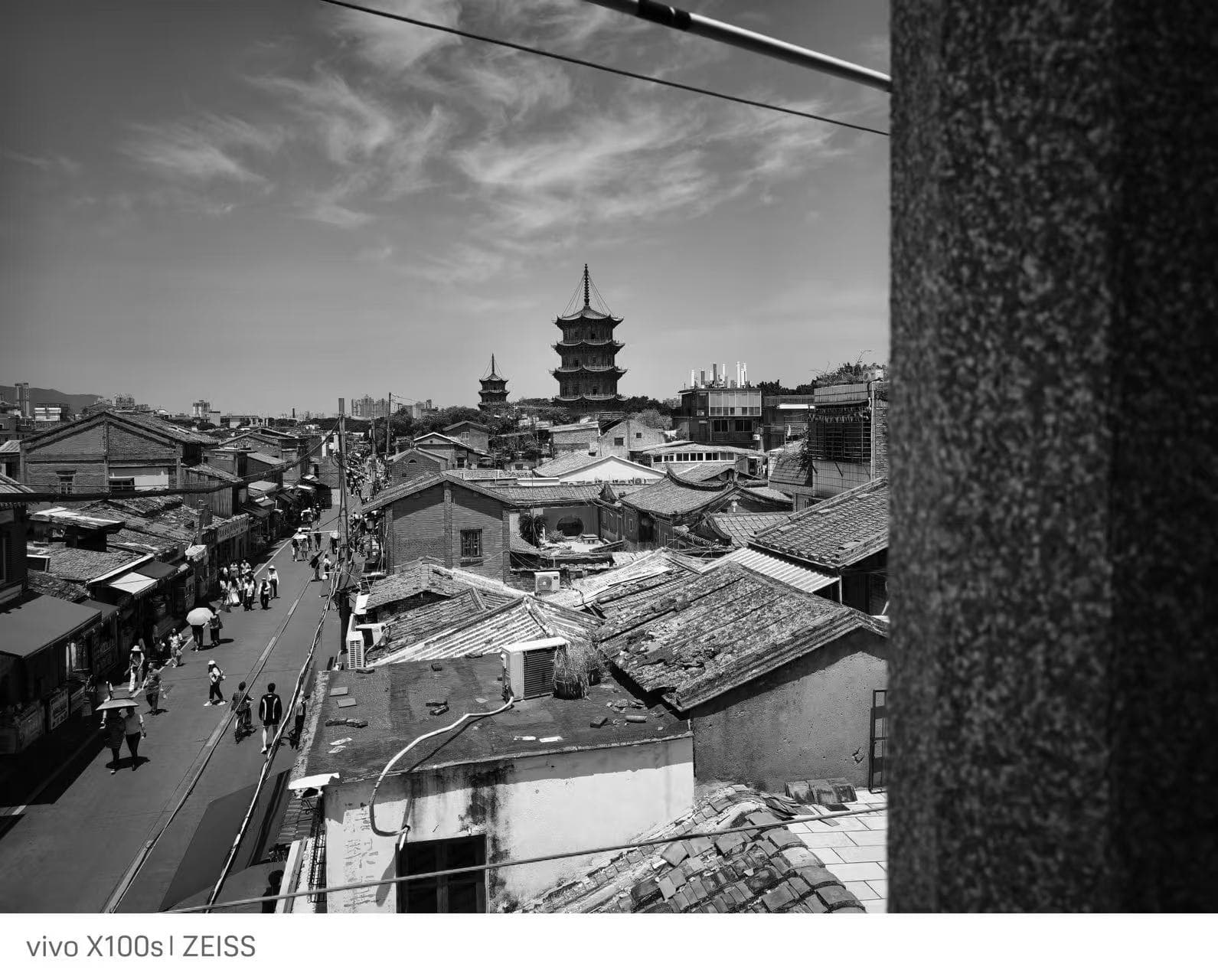
| Aug 7, 2026 | Fieldwork: Kaiyuan Temple, Guangong Temple, and West Street | Fieldwork: Southern Shaolin Zen-Martial Culture |
| Aug 8, 2026 | Workshop on Thesis Writing Methods | Presentation & Feedback |
Morning (AM)
Introduction to Quanzhou Culture & Anthropology
Afternoon (PM)
Visit the Quanzhou Museum of Overseas Transportation History
Morning (AM)
Fieldwork: Shenhu Ancient Street & Maritime Beliefs
Afternoon (PM)
Fieldwork: Tianhou Temple and Mazu Belief
Morning (AM)
Fieldwork: Red Brick & Brick Carving
Afternoon (PM)
Fieldwork: Intangible Cultural Heritage“Jin-Cang Embroidery”
Morning (AM)
Activity: Appreciating String Puppetry Performance
Afternoon (PM)
Interviews: Lineage & Heritage
Morning (AM)
Fieldwork: Kaiyuan Temple, Guangong Temple, and West Street
Afternoon (PM)
Fieldwork: Southern Shaolin Zen-Martial Culture
Morning (AM)
Workshop on Thesis Writing Methods
Afternoon (PM)
Presentation & Feedback
Hotel and Lodging
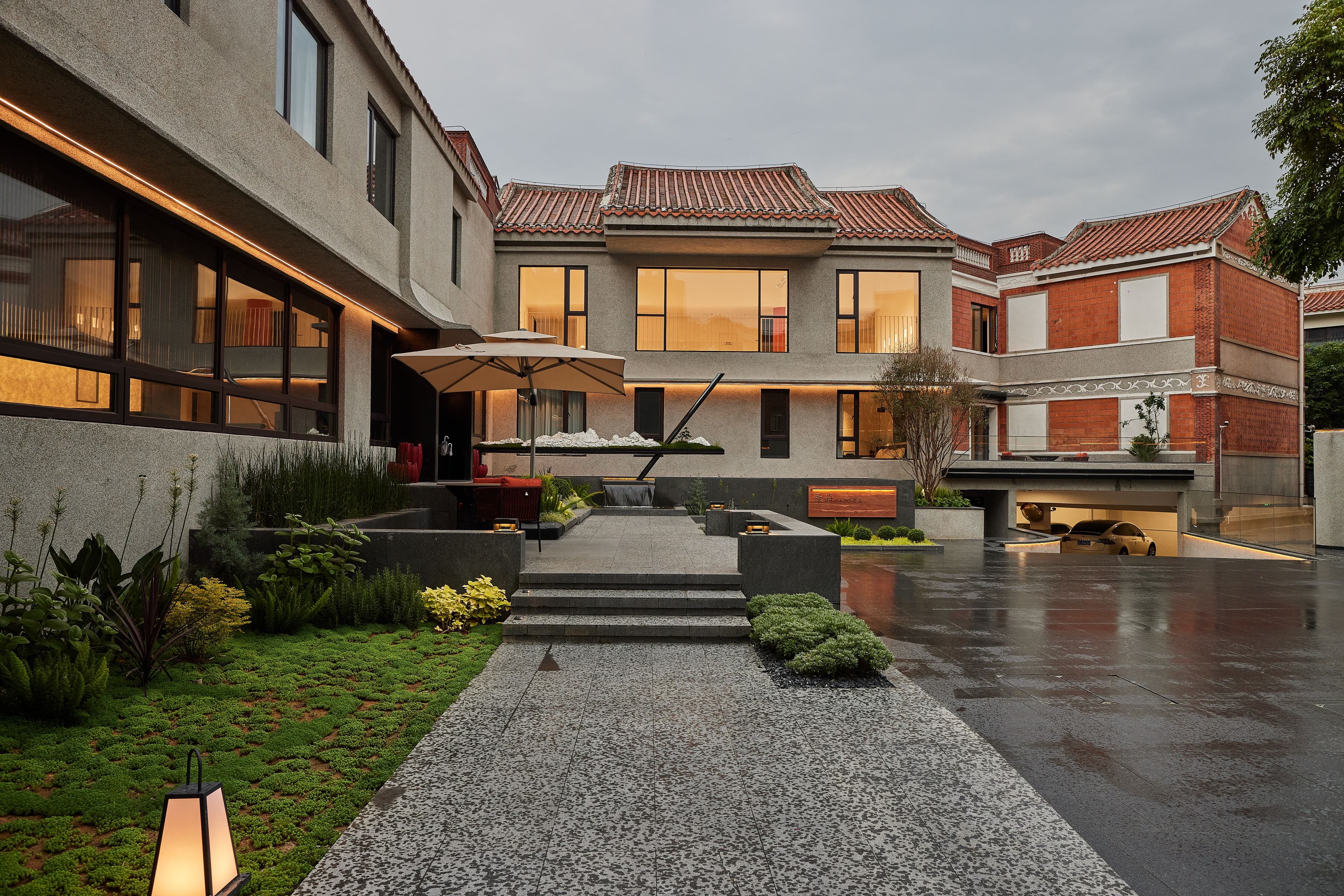
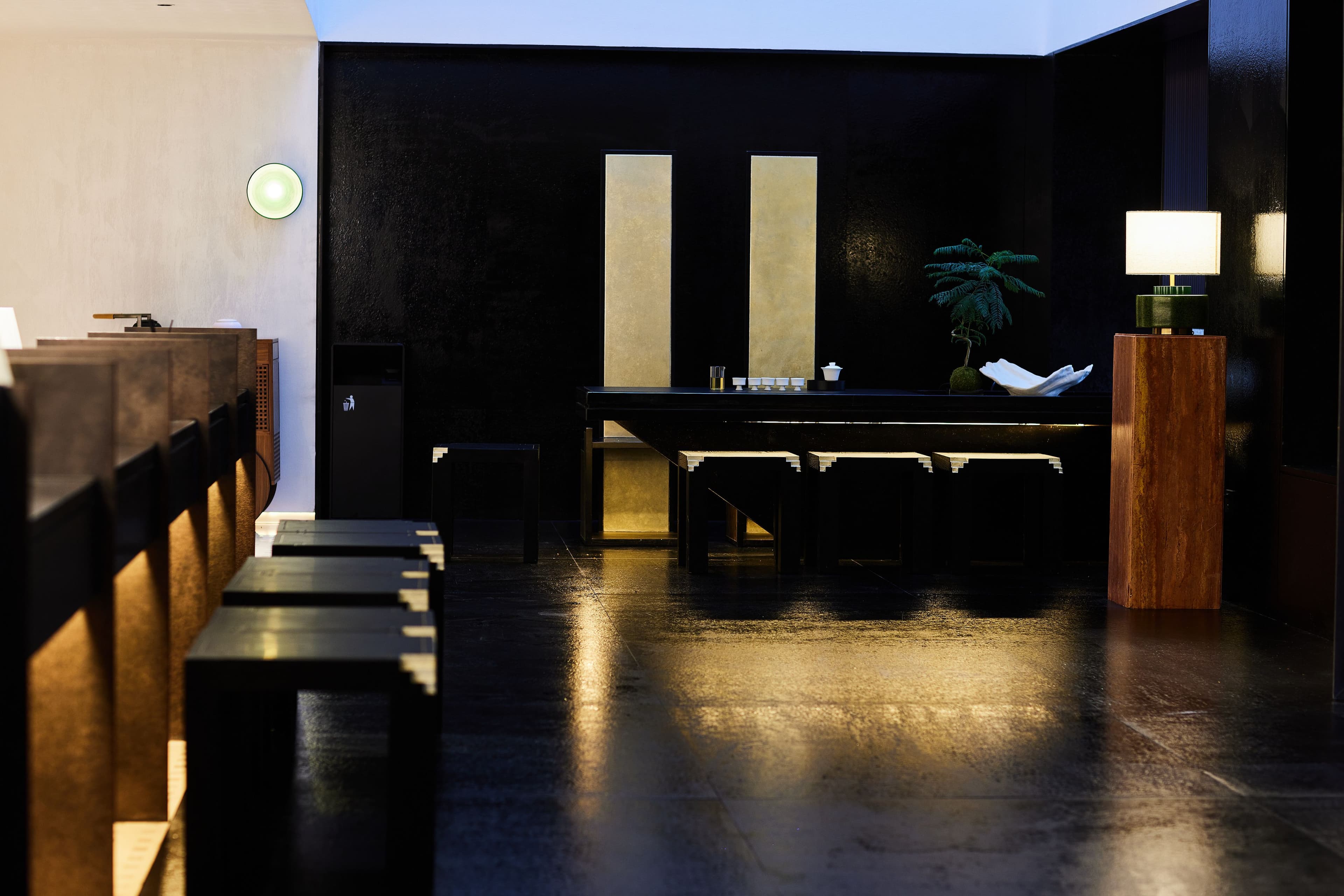
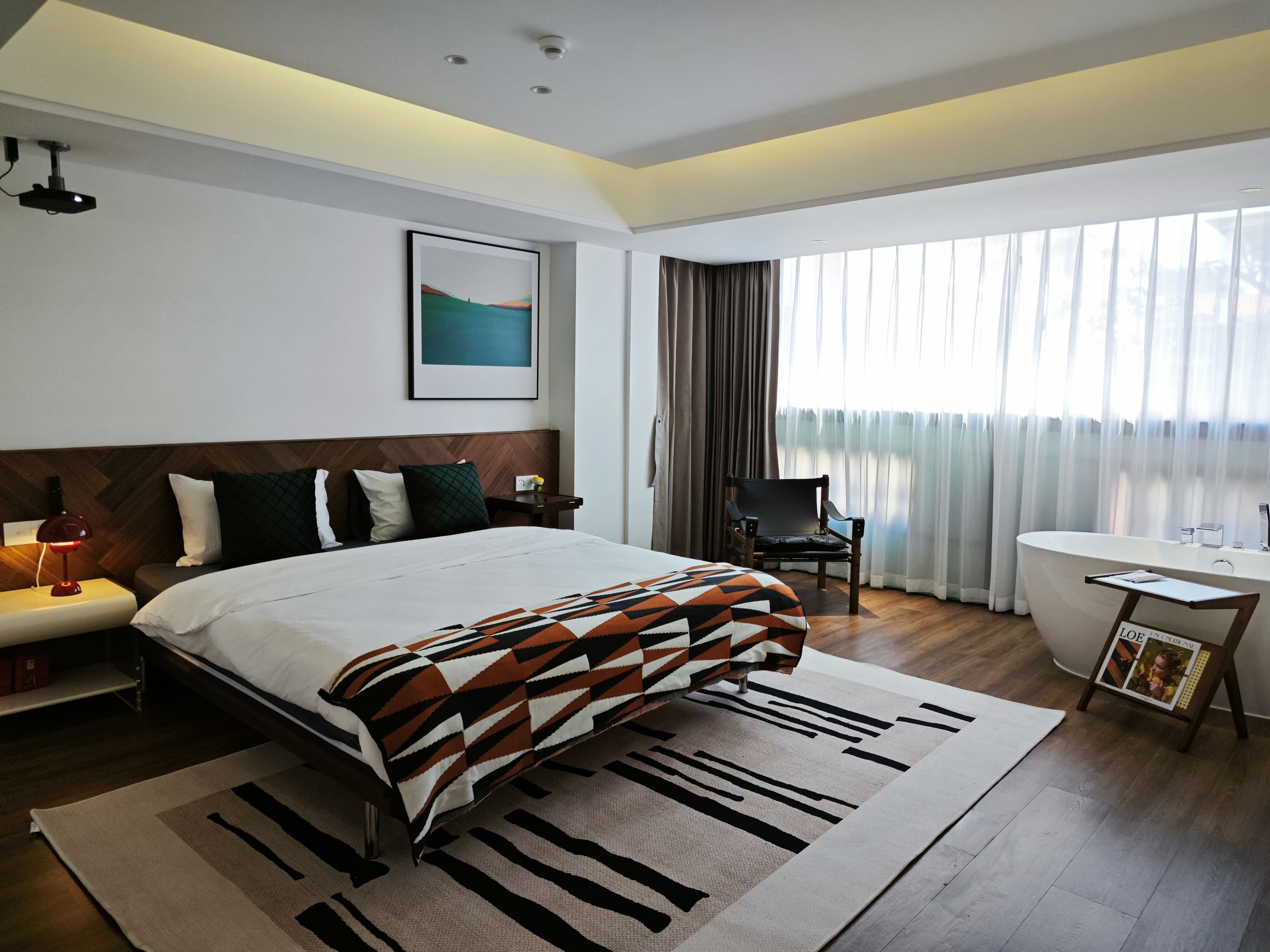
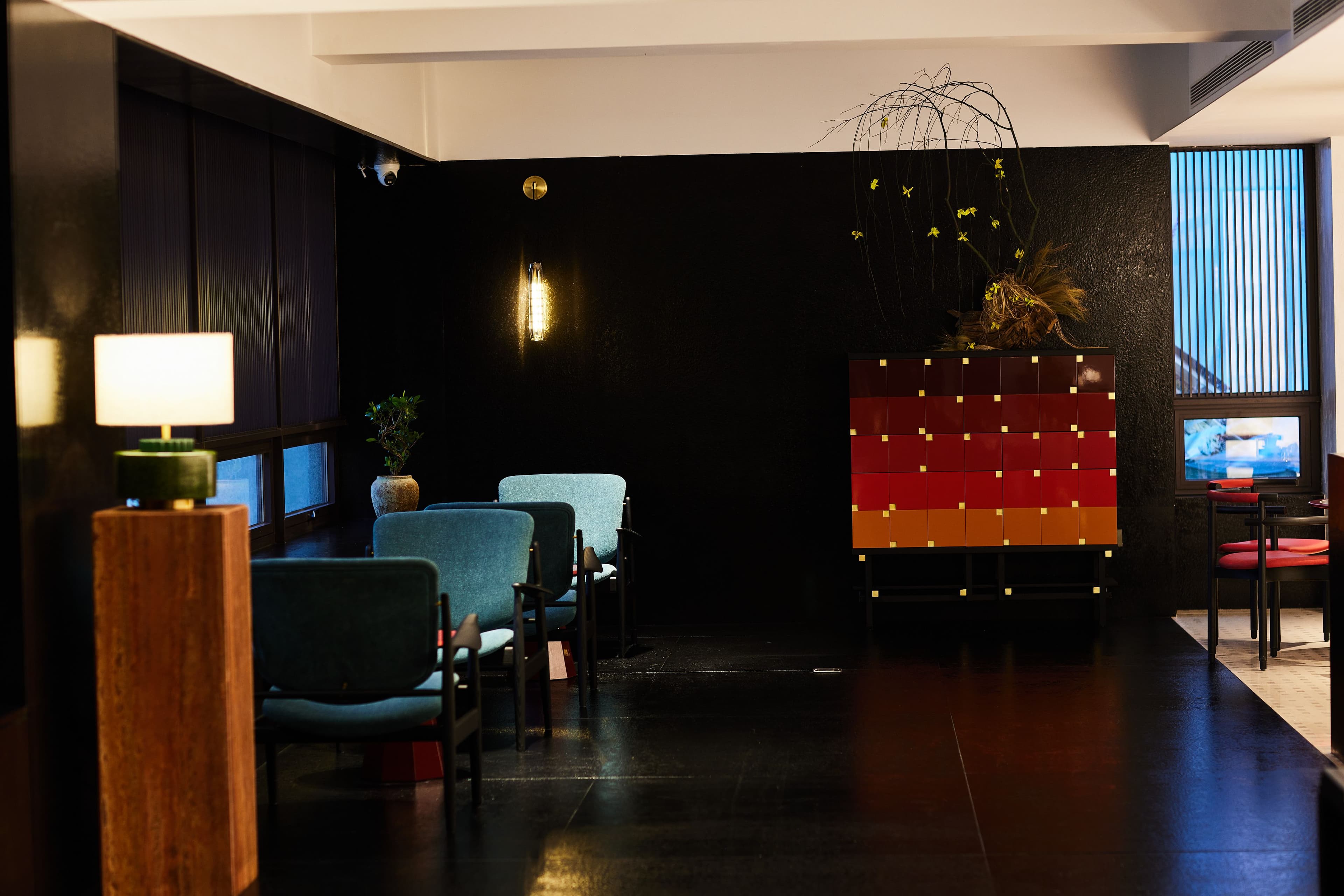
Overview Experience the unique elegance of Quanzhou at Lushi. As one of the city’s most stylish accommodations, Lushi perfectly blends modern comfort with the cultural charm of traditional Minnan architecture, creating an immersive old-town stay.
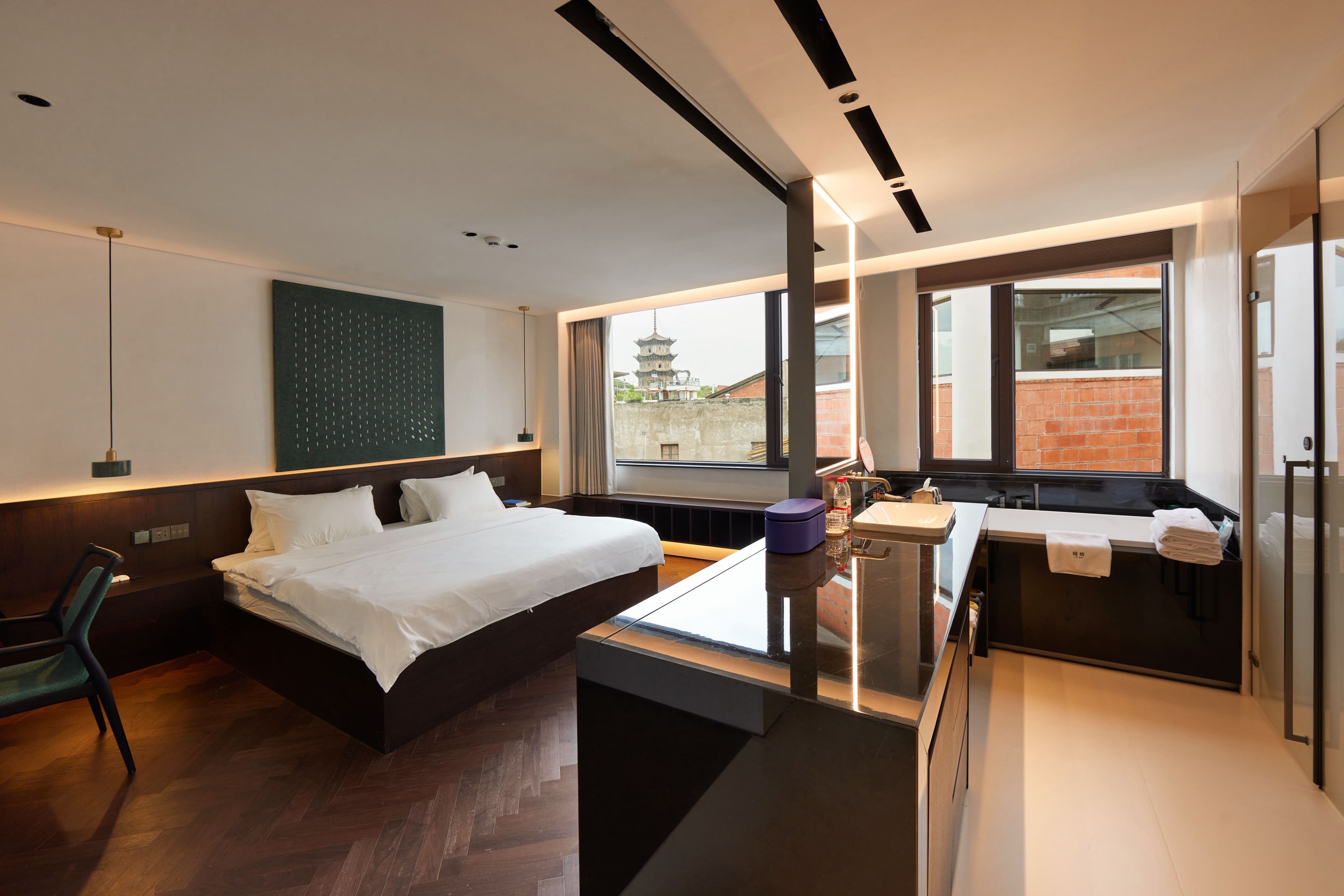
Comfort & Amenities Our standard double rooms are designed for ultimate relaxation, featuring fully integrated smart air conditioning, 24-hour constant-pressure hot water, and luxurious sleep-enhancing beds. Every detail is carefully crafted to ensure a night of restful, peaceful sleep.
“Cuozhu” Experience Beyond thoughtful amenities, Lushi’s true charm lies in its connection with the sights, sounds, and poetry of Quanzhou’s historic streets.
- Night: Open your windows to the gentle murmurs of the old-town alleys. Gaze at the star-filled sky while the cool Minnan evening breeze brushes your face, guiding you into a sweet, tranquil slumber.
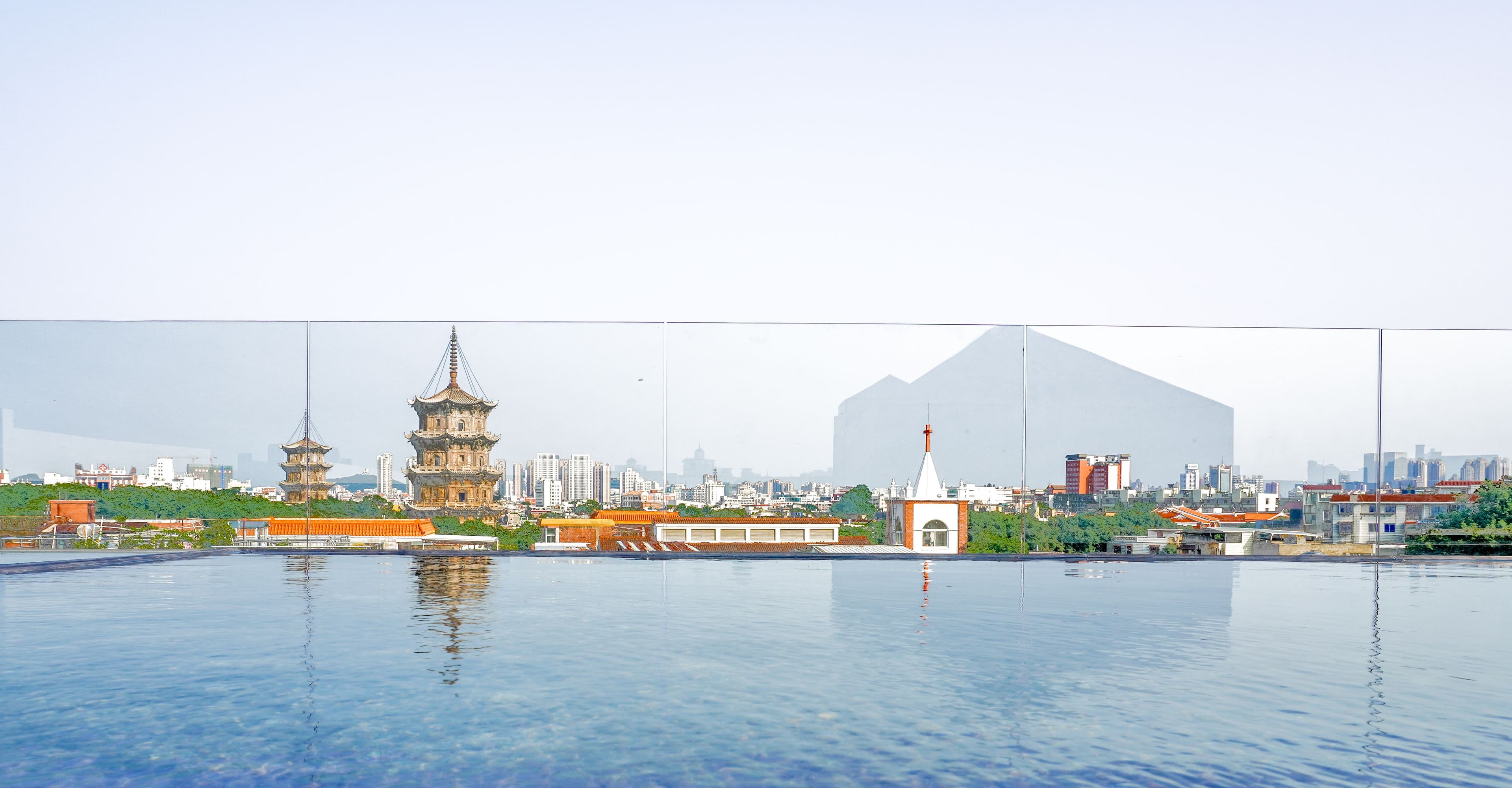
- Morning: Wake to the chirping of birds and the soft stirrings of the morning market. Before your eyes unfold red-walled traditional houses and black-tiled eaves—the view outside your window is a vivid, living painting of Quanzhou’s old city.
The Old Town at Your Fingertips A memorable journey begins right at Lushi’s doorstep. Step out to wander the ancient streets and alleys of Quanzhou. From the historic banyan trees at Kaiyuan Temple, the bustling charm of West Street, to the timeless rhythm of the Bell Tower, immerse yourself in the city’s cultural heritage and gentle allure.
(Other accommodations can follow similar style references, e.g., “Wuwen Dongxi” / “Yanhuo Zhishang.”)
Travel Tips
Step 1: Fly to Quanzhou Jinjiang International Airport (JJN)
Your journey begins at Quanzhou Jinjiang International Airport. Upon arrival, follow the airport signs for “Bus / Taxi” to reach the designated pick-up area, where you can choose to take a bus or taxi to Kaiyuan Temple.
Step 2: Proceed to Kaiyuan Temple (By Bus or Taxi)
🚌By Bus
- Boarding Location: Quanzhou Jinjiang International Airport Bus Station, outside the terminal
- Route: Take Bus K602 directly to Kaiyuan Temple West Gate Station, then walk approximately 380 meters to reach Kaiyuan Temple.
- Tips: Bus K602 operates from 7:00 AM to 7:30 PM. Prepare exact change or scan the payment code in advance. It’s recommended to note your route details for easier reference during your journey.
🚕By Taxi
- Pick-up Location: Taxi / Ride-hailing area outside the airport terminal
- Destination: Inform the driver to go to Kaiyuan Temple (West Gate or Main Gate), Licheng District, Quanzhou City
- Tips: The trip is approximately 13–17 km, takes around 25 minutes, and costs about CNY 30–50. Use reputable ride-hailing platforms and keep your trip receipt for reference.
Step 3: Coordination
- Self-arrival: Once you arrive at Kaiyuan Temple, proceed to the designated meeting point. If you have a confirmed arrival time, please inform your contact person in advance.
- Optional Dedicated Pick-up Service (Paid): If you prefer a staff member to meet you directly at Quanzhou Jinjiang International Airport and accompany you to Kaiyuan Temple, please book in advance and pay for this specialized service.
📌 Important Reminders
- Ensure your phone is fully charged and accessible for smooth communication during your journey.
- If you encounter any issues during transit, please call our emergency contact number immediately. We are ready to assist you.